

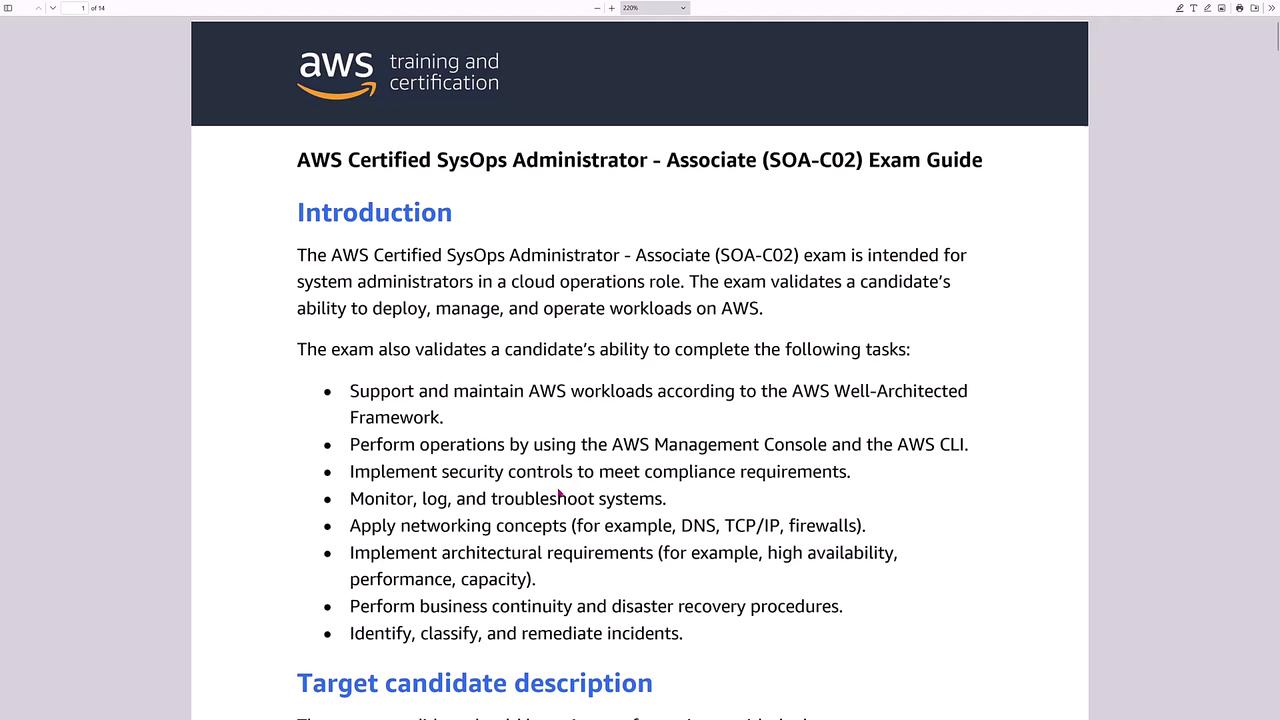
Overview of Candidate Skills and Experience
The exam guide outlines the skills that AWS expects from candidates. It covers topics like instance remediation, disaster recovery (DR), business continuity, and architectural considerations including high availability. Ideal candidates typically have one to two years of system administration experience, specifically in deployment, management, networking, and security on AWS.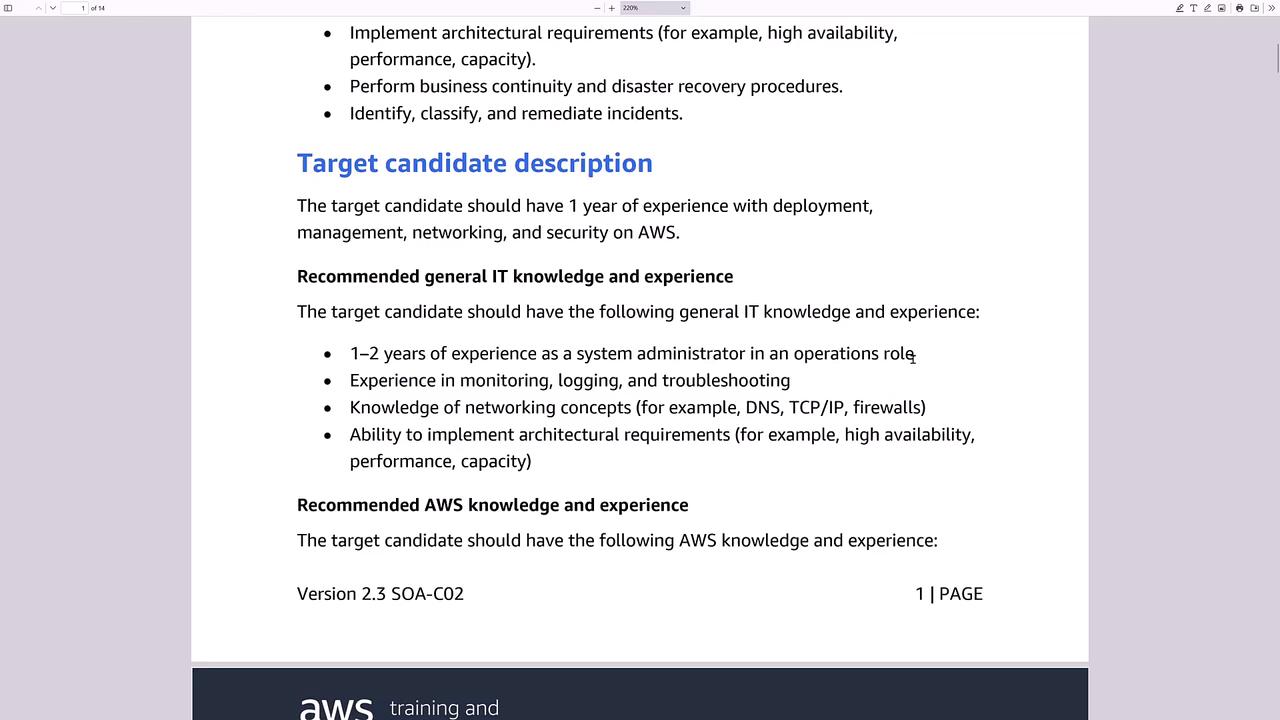
For best results, complement your existing IT skills with at least one year of AWS-specific experience. Familiarize yourself with the AWS Well-Architected Framework, including reliability, security, cost optimization, performance efficiency, sustainability, and operational excellence.
Exam Structure and Scoring
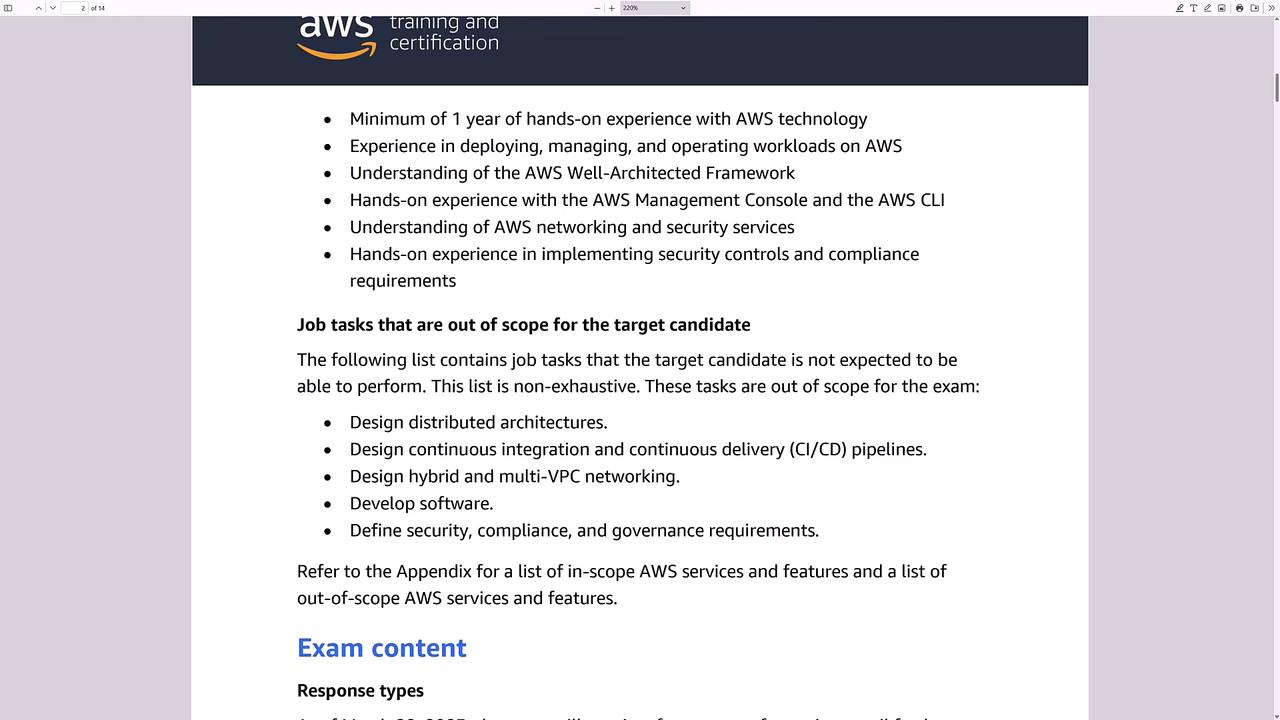
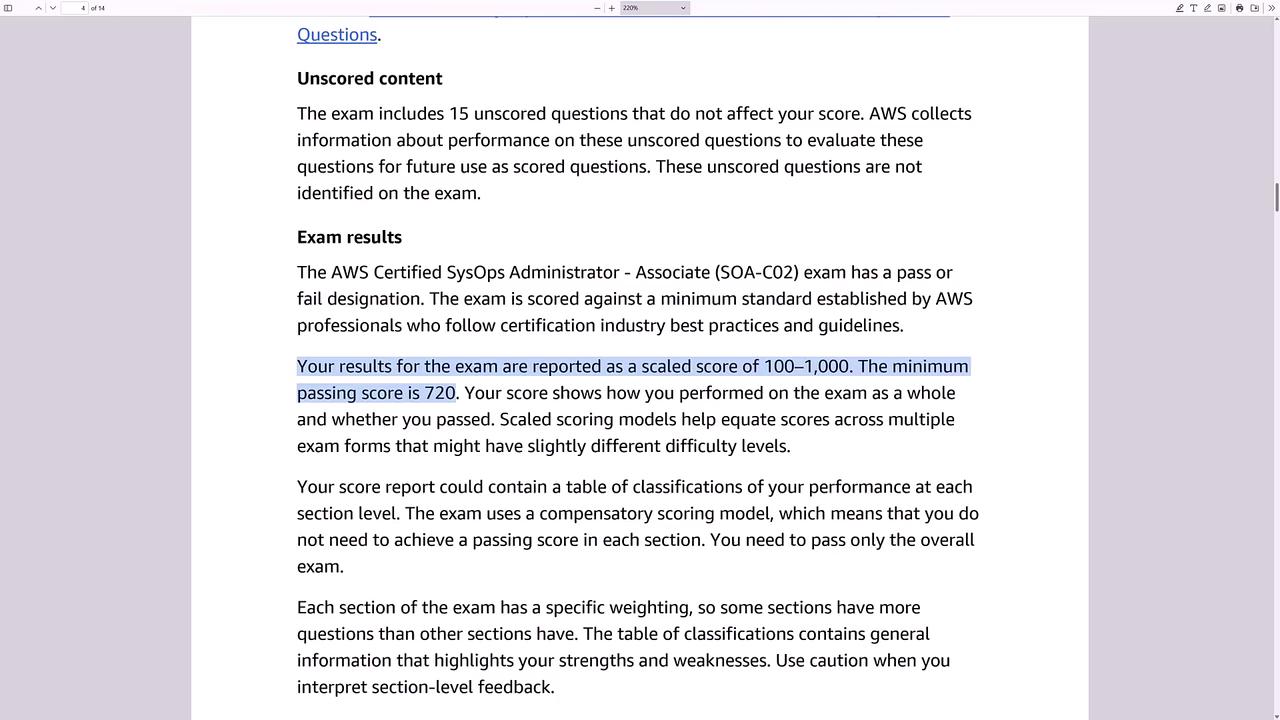
As of March 28, 2023, the exam features only multiple-choice and multiple-response questions—there is no lab component. It comprises 50 scored questions and 15 unscored questions. All questions appear identical to the candidate, so any unusual or off-topic questions are likely AWS testing items that do not affect your final score. The scoring details are as follows:- A minimum score of 720 out of 1000 points is required to pass.
- If there are 50 questions, correctly answering approximately 70% (around 35 questions) is typically sufficient. Keep in mind that the weight of each question may vary based on its complexity and the domain covered.
Breakdown of Exam Domains
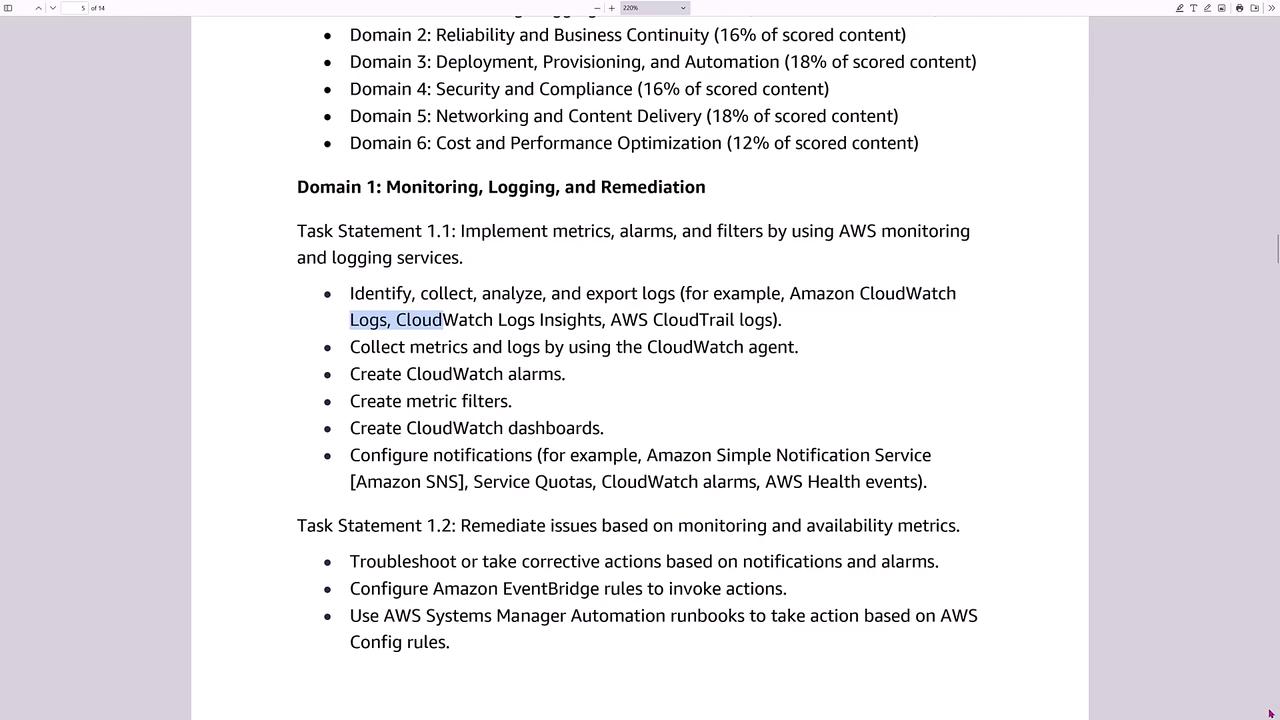
The exam is divided into several key domains:- Monitoring and Logging: Roughly one-fifth of the exam.
- Reliability and Business Continuity: About one-sixth.
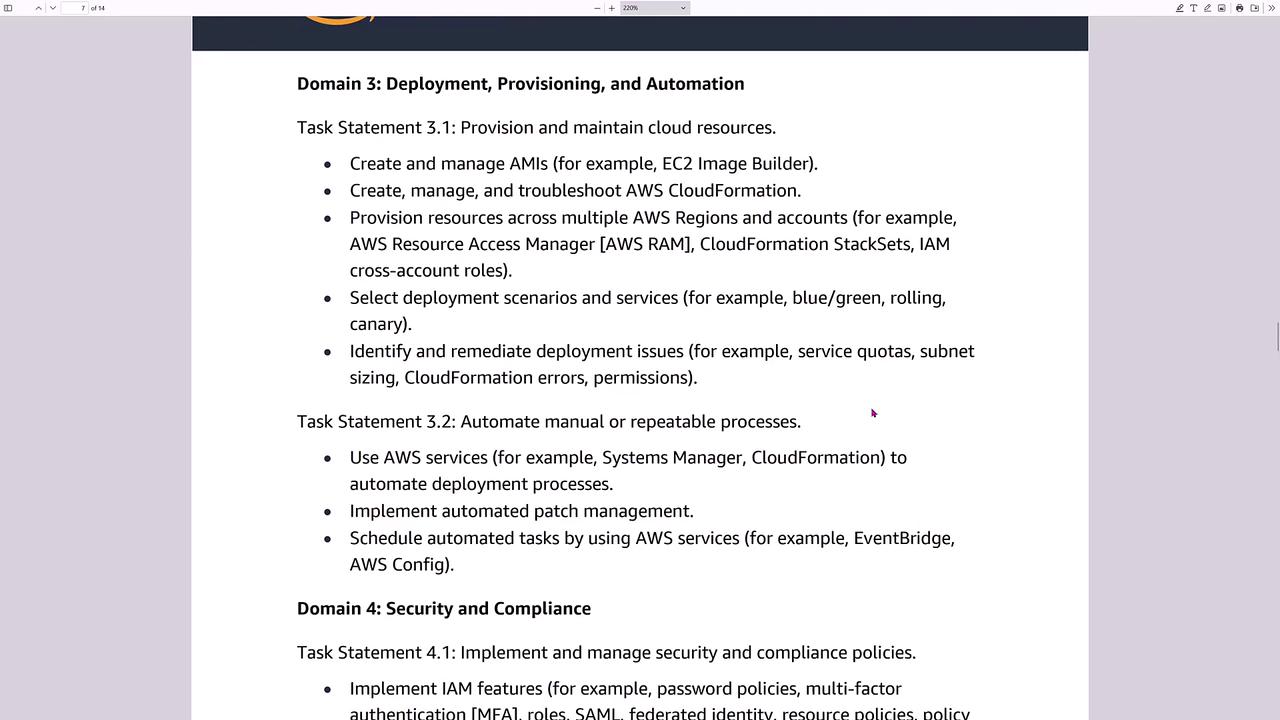
- Deployment, Provisioning, and Automation: Almost one-fifth.
- Security and Compliance: Approximately one-sixth.
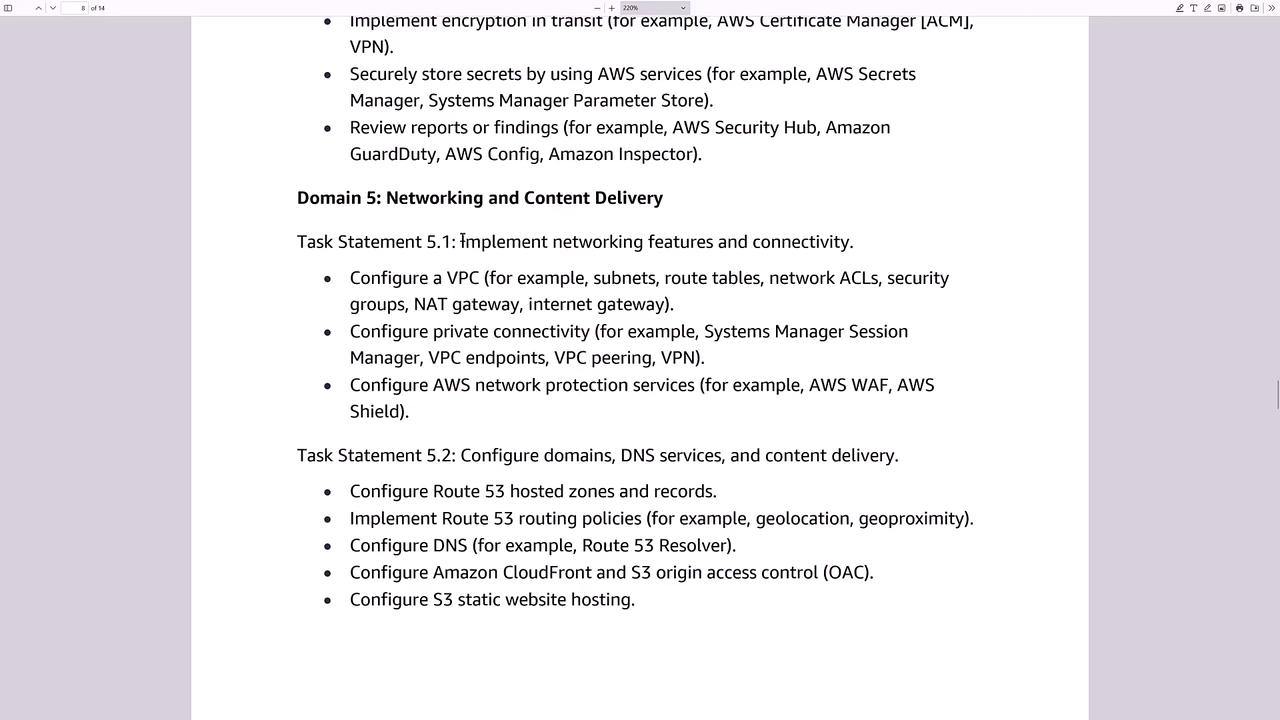
- Networking and Content Delivery: Nearly one-fifth.
- Cost and Performance Optimization: Around one-eighth, making it the smallest section but still important.
Key Areas of Focus
- Deployment, Provisioning, and Automation: The guide emphasizes tasks such as implementing alarms, filters, and remediating issues. Rather than memorizing each detail, focus on understanding the underlying concepts—like service quotas and Systems Manager.
- Networking and Content Delivery: The guide covers topics such as configuring VPCs, Route 53, and network protection services. Although detailed memorization is not required, you should understand the core concepts and functions of these services.
- Out-of-Scope Services: The guide also details services that are out of scope for this exam. For example, while CloudFront and Global Accelerator are within scope, services such as EMR, many business applications, and retired tools like CodeCommit are not covered. Note that ECS questions may appear less frequently, whereas EKS-related questions might be included. Similarly, topics such as Redshift, certain machine learning tools, and retired services like StoneMobile are not a focus.
Final Tips
Remember, this guide corresponds to the SOA-C02 exam version. You can find a link to the exam guide either at the bottom or to the right of this article. For any further questions or clarifications, please join our community forums.If the exam details seem overwhelming at first, remember that consistent study and a step-by-step approach will help you build a strong understanding of each topic. Track your progress by marking off mastered topics, and allocate extra time to areas that need further review.