1. Selecting the Appropriate Infrastructure
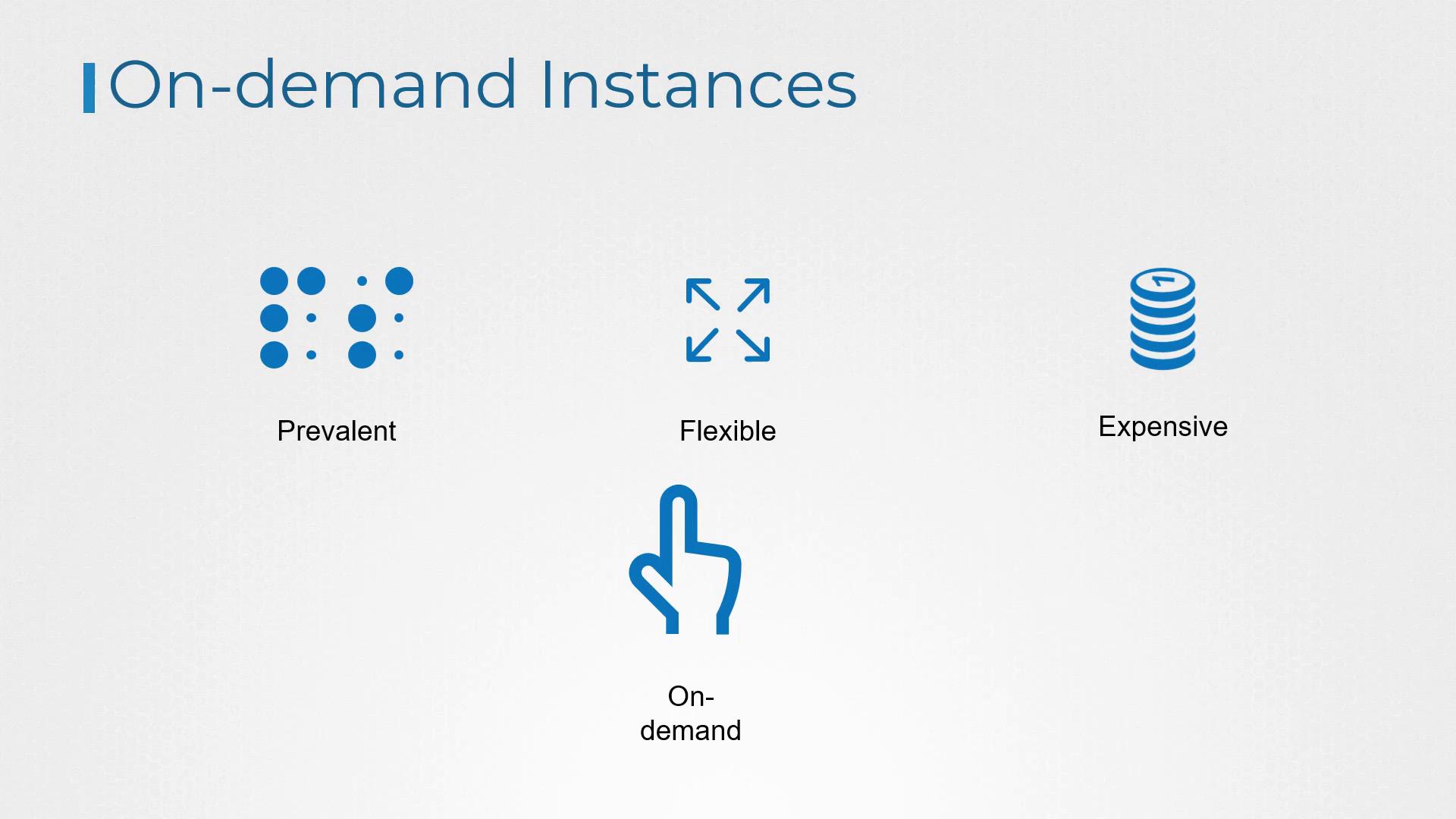
Choosing the right cloud infrastructure is critical. Once you have selected a cloud platform, you still face various decisions that can significantly affect your cost management. Most cloud providers offer three categories of instances (virtual servers), each with unique pricing and usage models:- On-demand Instances:
On-demand instances provide maximum flexibility by allowing you to create and delete instances as needed. However, this convenience comes at a higher cost.
- Reserved Instances:
Reserved instances offer discounts in exchange for committing to a long-term usage period. For instance, at KodeKloud, we operate a large cluster for hands-on labs. By committing to a long-term contract, we secure over a 30% discount.
- Spot Instances:
Spot instances are the most cost-effective option, often offering discounts up to 90% by utilizing spare cloud capacity. However, these instances can be terminated abruptly if the cloud provider requires the capacity. Although some providers offer capacity rebalancing signals to alert users, there is no guarantee of receiving sufficient notice.
2. Managing Performance and Cost Through Rightsizing
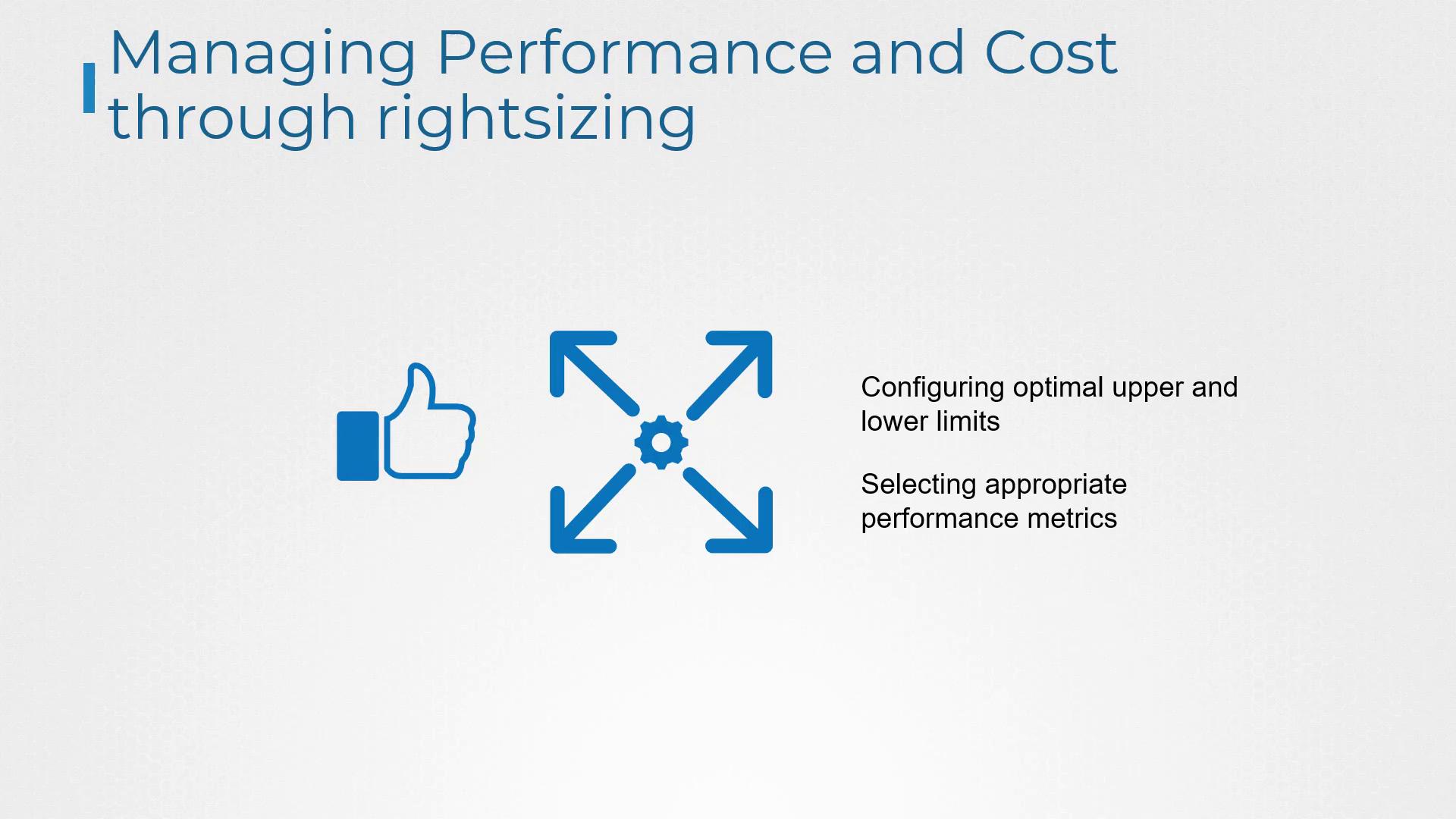
Achieving an optimal balance between performance and cost requires careful resource provisioning. Over-provisioning results in unnecessary expenses, while under-provisioning can cause performance issues. Autoscaling technology is an effective solution to this challenge. For example, Kubernetes allows you to automatically scale both applications and infrastructure based on demand. Platforms like Kubernetes let you define node pools with specified upper and lower limits. This dynamic scaling ensures that only the required resources are active at any given time, preventing wasteful spending. Additionally, cloud systems can allocate and release external storage volumes on demand, contributing to cost savings and a better user experience. Setting optimal upper and lower limits along with selecting appropriate performance metrics is crucial for effective autoscaling.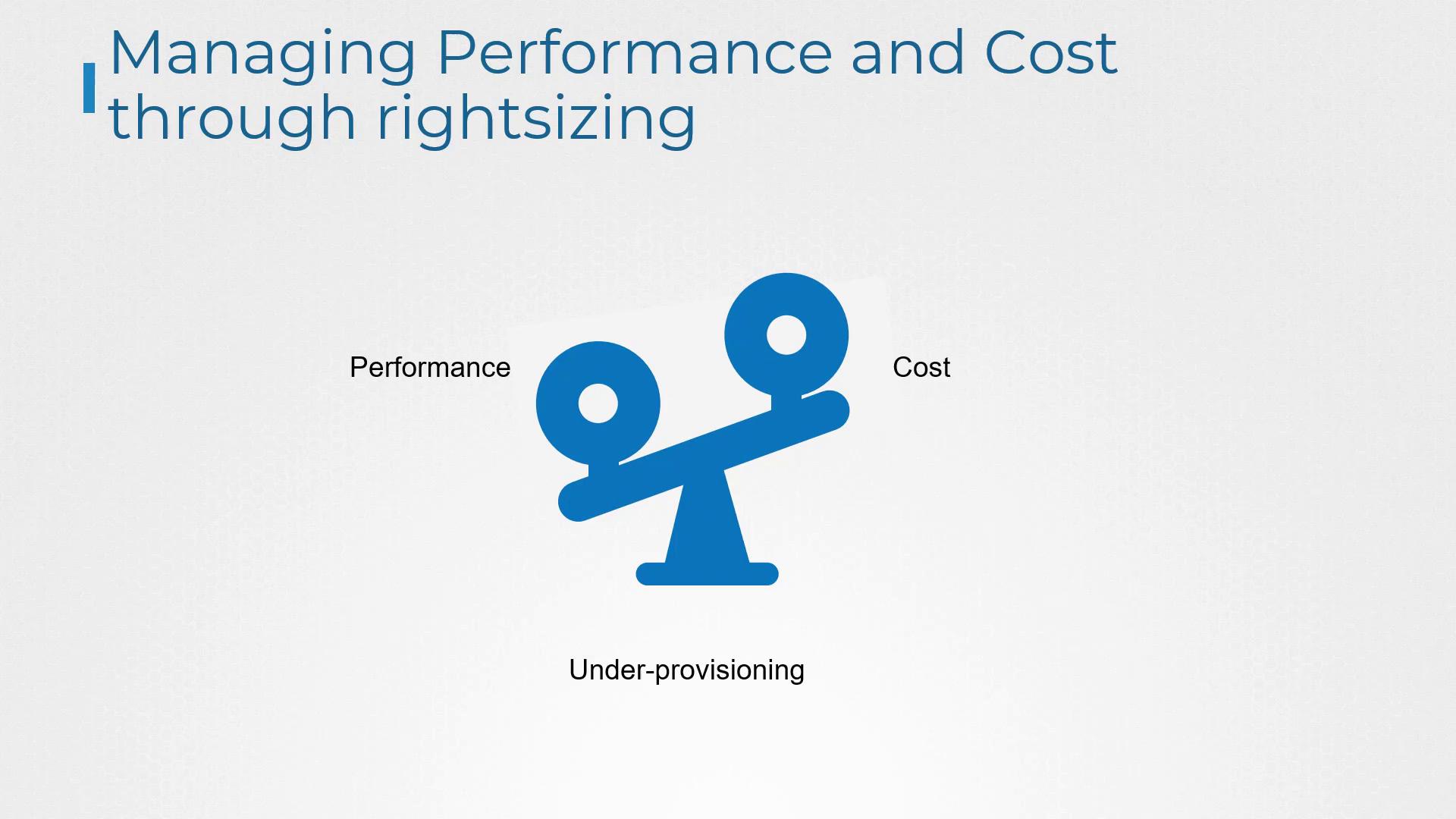
3. Scheduling Non-Essential Instances and Removing Unused Resources
Not all resources in your infrastructure need to operate continuously. Scheduling non-essential resources to switch off during non-business hours or on weekends can lead to significant savings. Regularly reviewing your setup to remove unused instances is also critical, as inactive resources not only increase costs but can introduce security risks.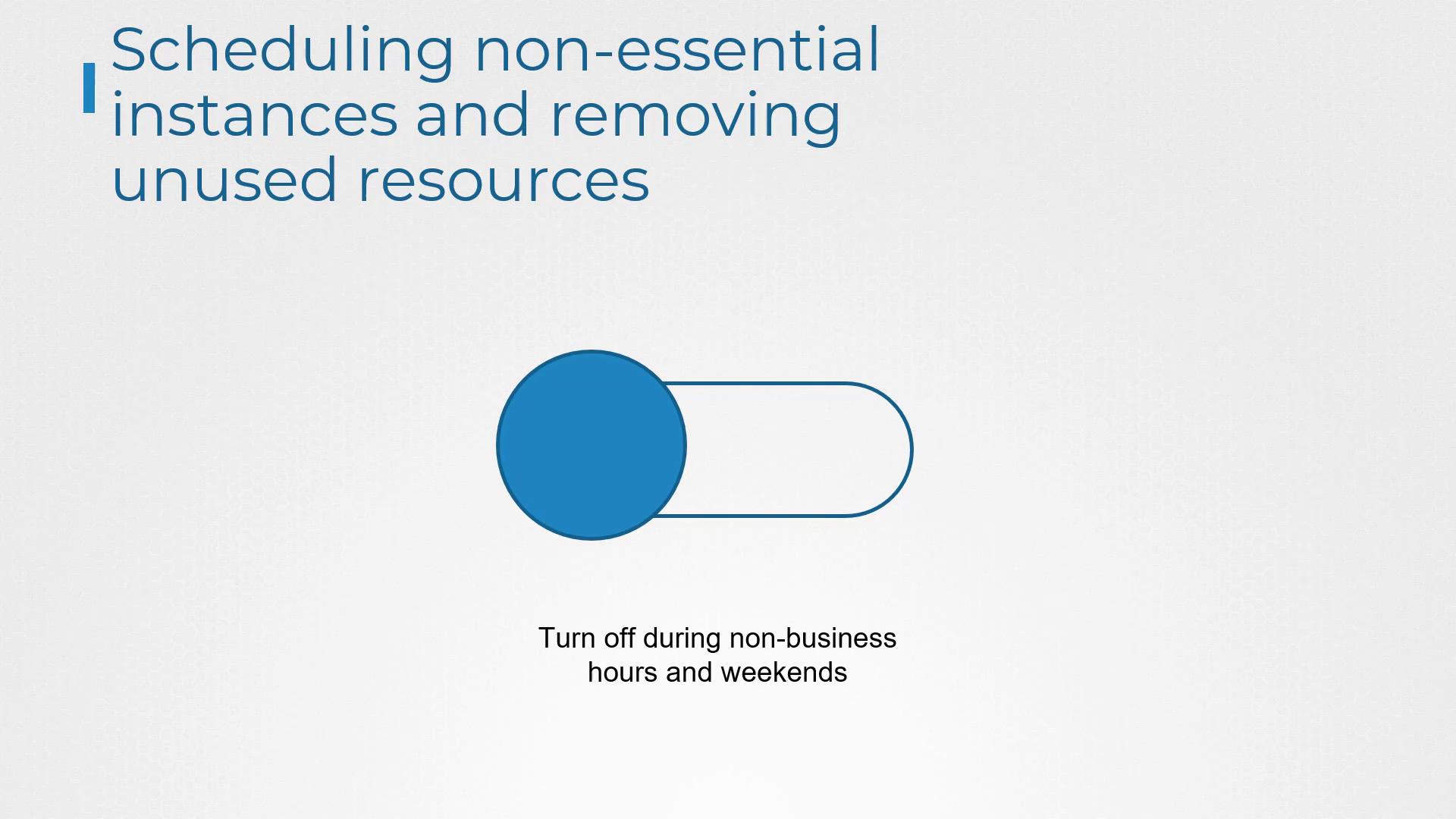
Consider leveraging cloud cost management tools for further optimization. Most major cloud providers offer built-in solutions:Third-party tools are also available, including: