

Function as a Service (FaaS)
Function as a Service (FaaS) is like hiring a team of specialized helpers for your party. One helper greets guests, another serves drinks, and another ensures everyone is having a great time. Each helper has a single, clear role and only works when needed. Similarly, FaaS lets you write small, task-specific pieces of code that execute in response to events like HTTP requests or messages in a queue.
For example, consider a small online t-shirt store that needs to send a confirmation email after a purchase. Instead of managing an email server or developing complex dispatch code, you could simply implement a function using a service like AWS Lambda. This function would be triggered automatically after a customer makes a purchase, sending the confirmation email via services such as SendGrid or Amazon SES. The FaaS platform scales the function based on incoming request volume.
- AWS Lambda and AWS Fargate (Amazon Web Services)
- Azure Functions (Microsoft Azure)
- Google Cloud Functions (Google Cloud)
- IBM Cloud Functions
Kubernetes Serverless: The Hybrid Approach
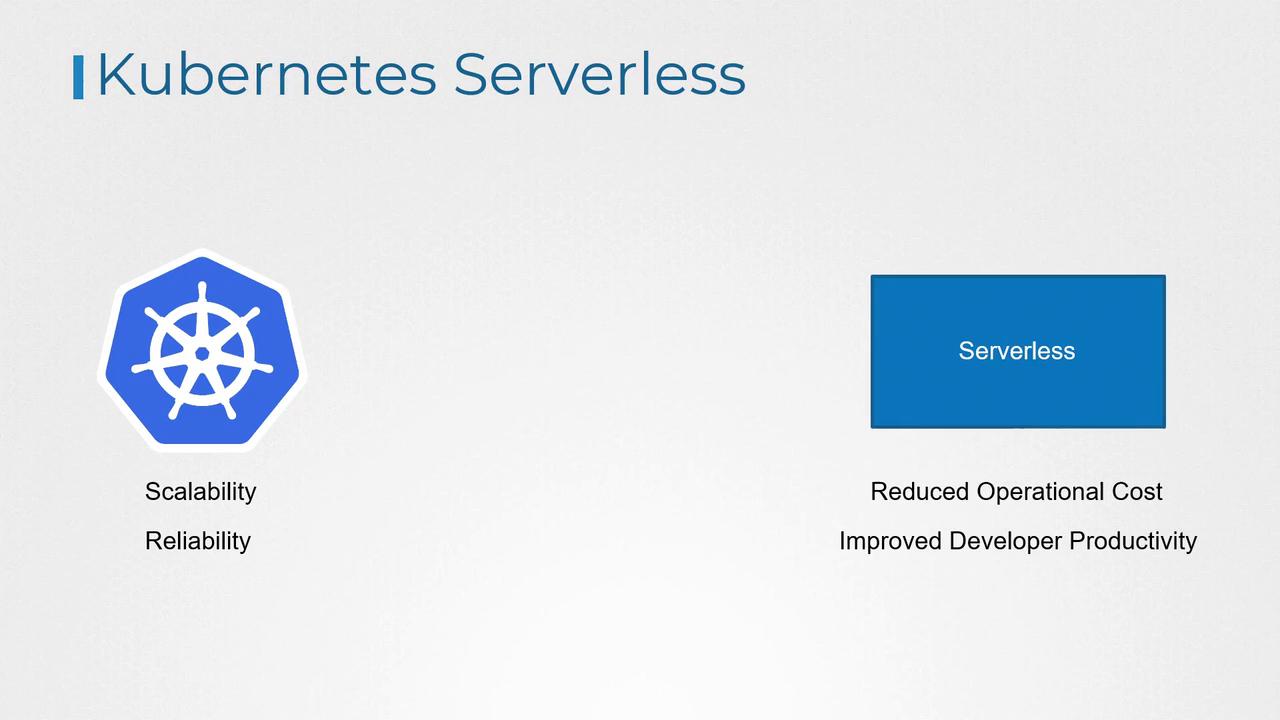
Kubernetes serverless combines the scalability of Kubernetes with the ease of serverless computing. In a standard Kubernetes setup, containers run within clusters spread across multiple servers or virtual machines. Kubernetes ensures high availability with features like auto-scaling, load balancing, and self-healing. With the evolving demand for serverless architectures, platforms like Knative and OpenFaaS have been developed on top of Kubernetes. These platforms empower developers to deploy serverless functions that automatically handle scaling, event triggering, and lifecycle management. This hybrid model offers enhanced scalability, reduced operational costs, and improved developer productivity.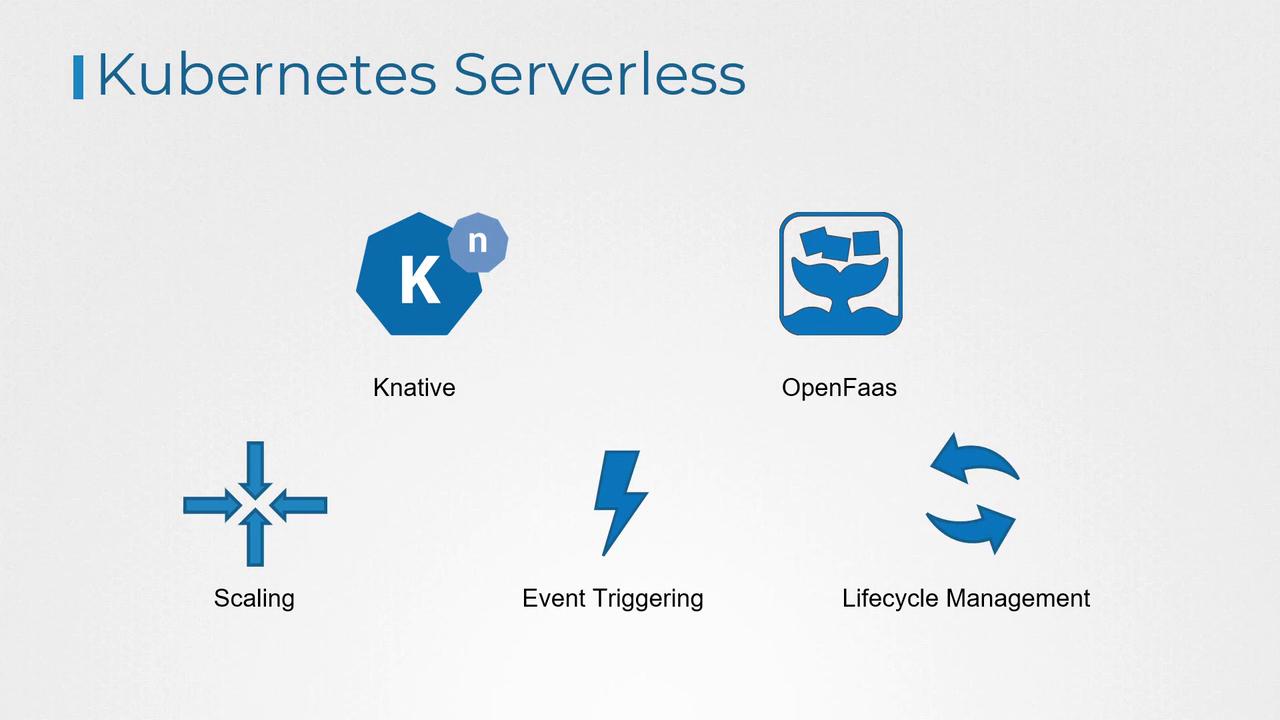
- Serverless computing frees you from managing infrastructure, enabling you to focus on application logic.
- FaaS offers efficient, event-driven execution of code on a pay-as-you-go basis.
- Kubernetes serverless combines container orchestration with the operational benefits of serverless computing.