

Firewalls
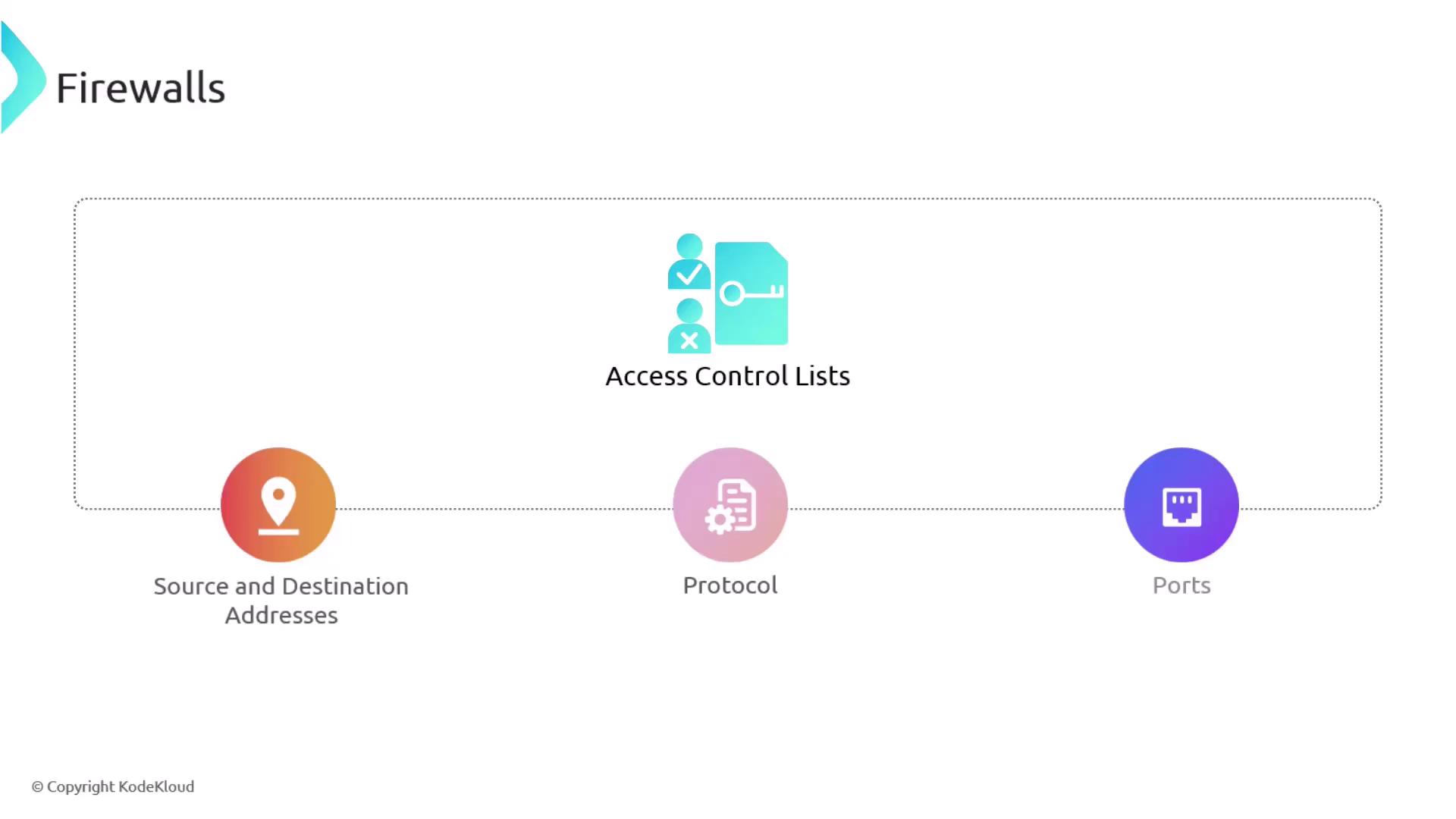
Firewalls serve as a critical first line of defense by enforcing robust security policies on network traffic. They inspect both incoming and outgoing data packets against a set of predefined rules to decide whether the traffic should proceed deeper into the network or be blocked.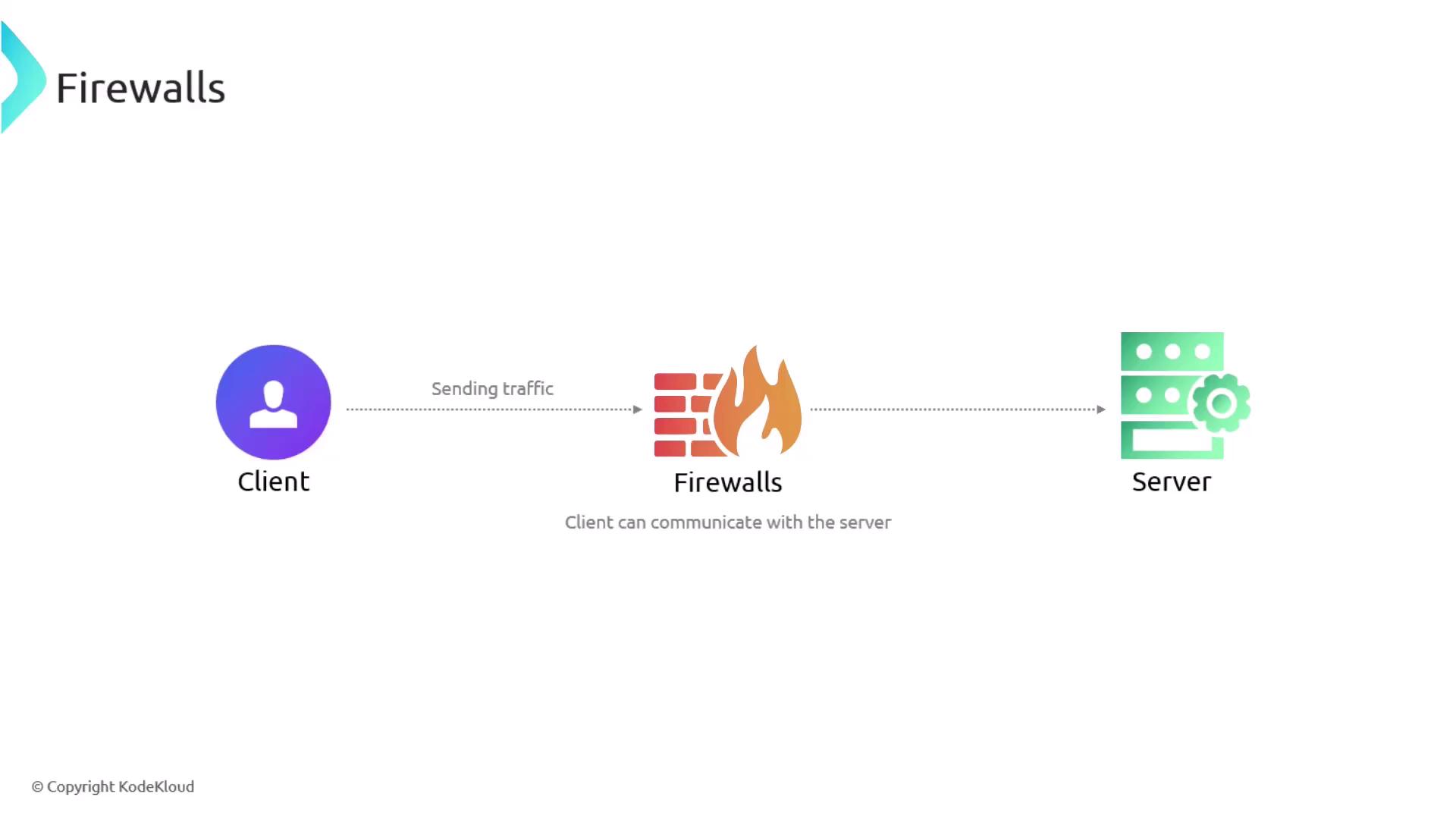
IDS and IPS Systems
Intrusion Detection Systems (IDS) and Intrusion Prevention Systems (IPS) are pivotal to a layered security strategy, continuously analyzing network traffic in real time. While both technologies monitor for anomalies and malicious activities, they differ in their response methods.Intrusion Detection Systems (IDS)
IDS solutions monitor network traffic and generate alerts when suspicious or anomalous activities are detected. They operate much like antivirus software by identifying known malicious signatures and unusual behavior patterns.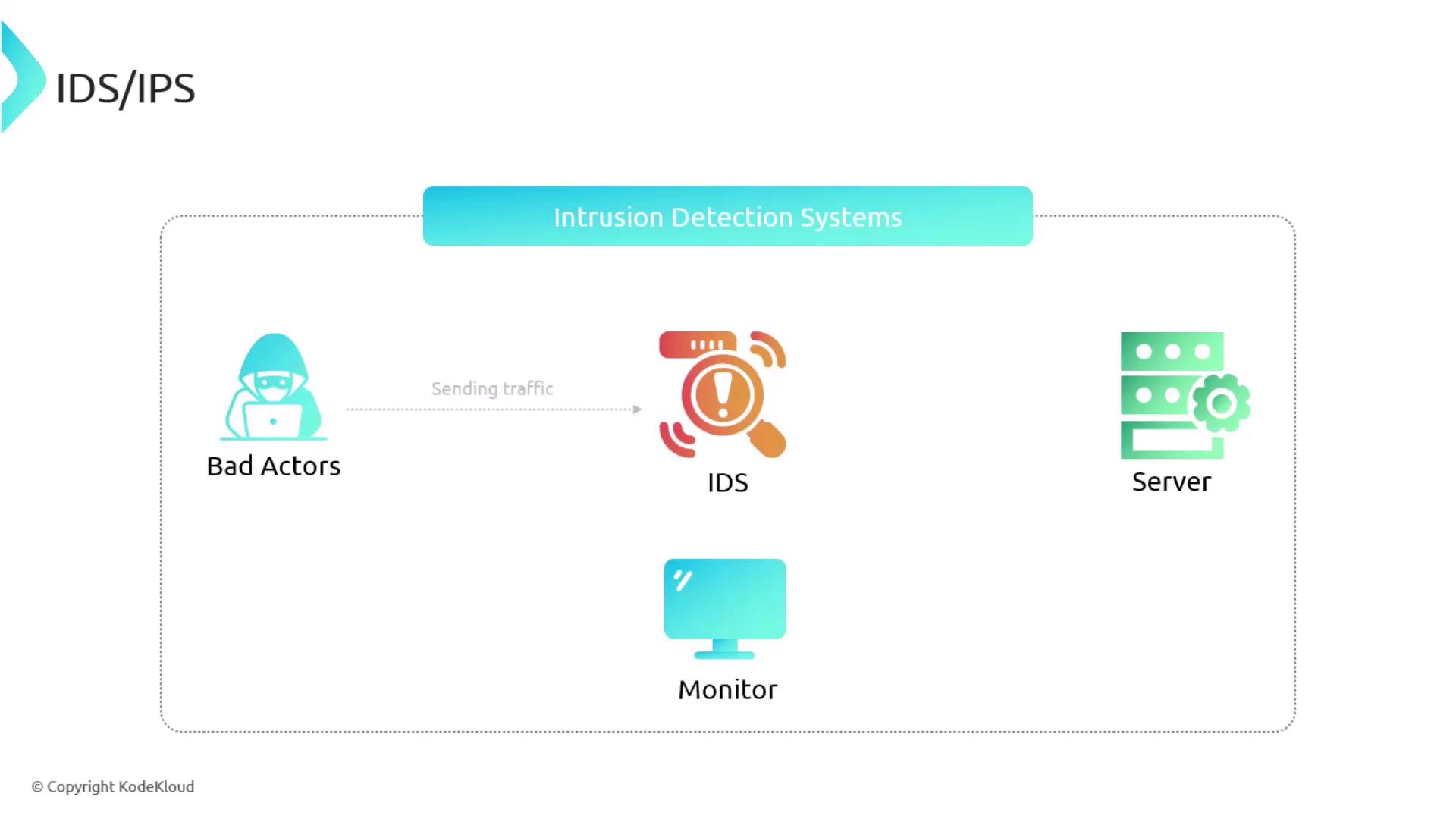
IDS solutions are ideal for environments where immediate blocking of traffic is not required, but prompt alerting and monitoring are essential.
Intrusion Prevention Systems (IPS)
In contrast, IPS devices take actionable steps when they detect potentially harmful activity. Once an IPS identifies illicit behavior, it can reset connections, block traffic sources temporarily or permanently, or even redirect traffic to a honeypot for deeper analysis.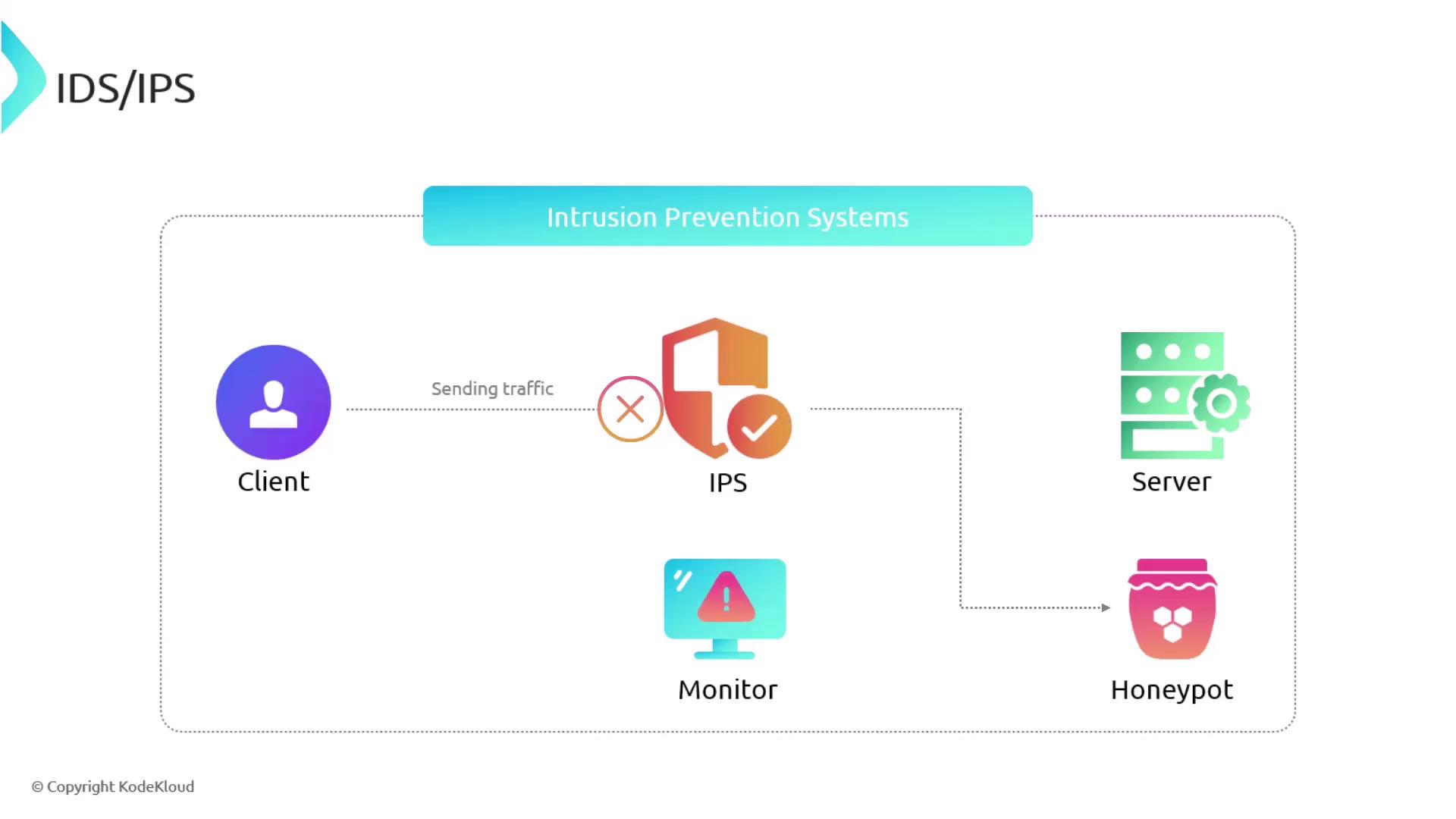
Deploying an IPS can significantly reduce the window of opportunity for intrusions by actively mitigating detected threats in real time.