

Recovery Point Objective (RPO)
Recovery Point Objective (RPO) is defined as the maximum tolerable amount of data loss that an organization can sustain during an incident while maintaining acceptable business operations. Consider your backup strategy: in a ransomware attack or any data loss scenario, RPO determines the frequency of your backups. For example, if your systems are backed up daily, the maximum data loss could be up to one day’s data. Conversely, if backups are performed weekly, your organization might lose up to seven days’ worth of data. The RPO sets the guideline for the acceptable interval between backups relative to the potential data loss.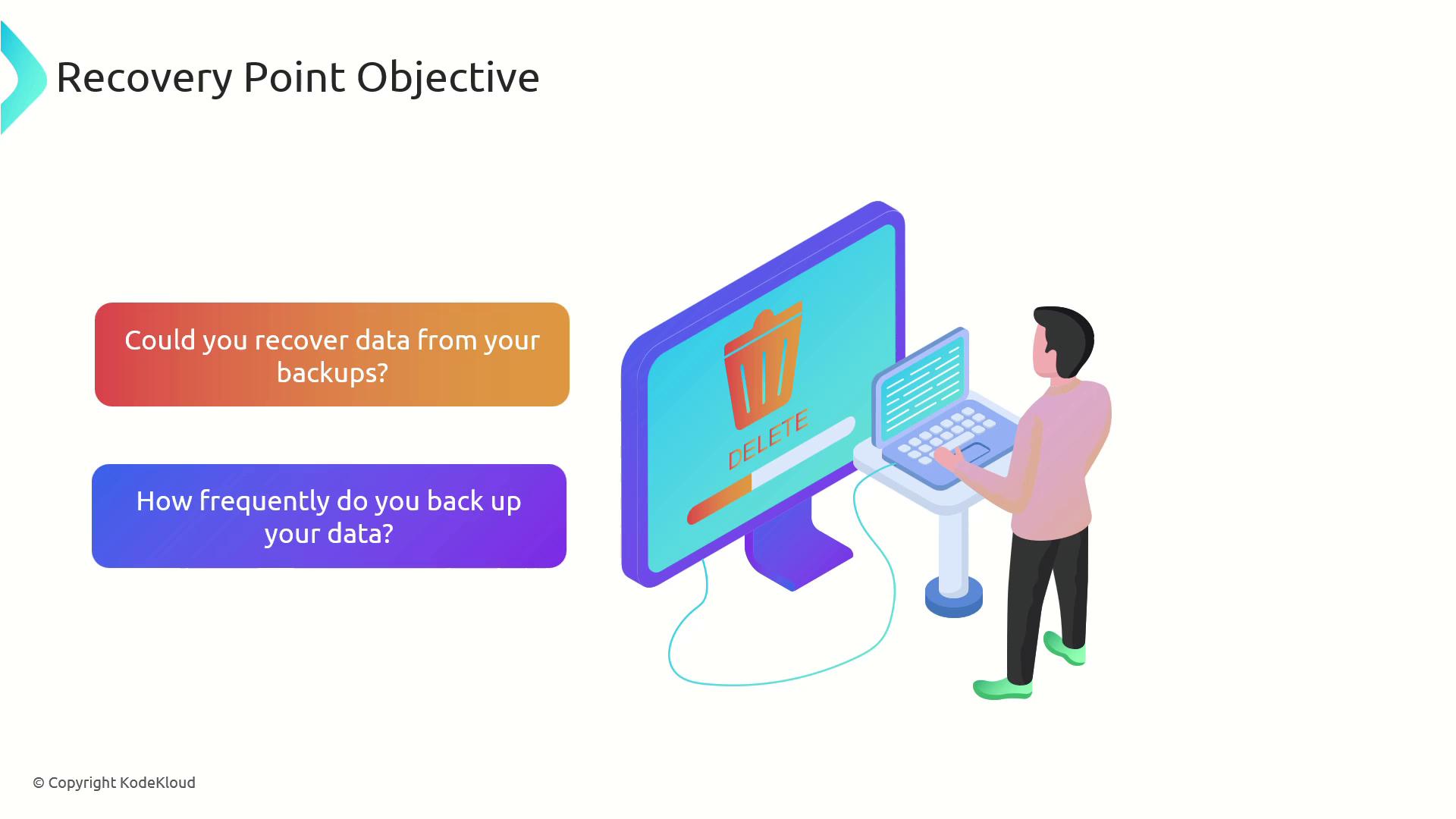
Recovery Time Objective (RTO)
Recovery Time Objective (RTO) refers to the maximum acceptable downtime after a disruption before the restoration of critical applications or systems. Unlike average recovery times observed during routine incidents, RTO is a predefined boundary that organizations use to measure responsiveness during a crisis.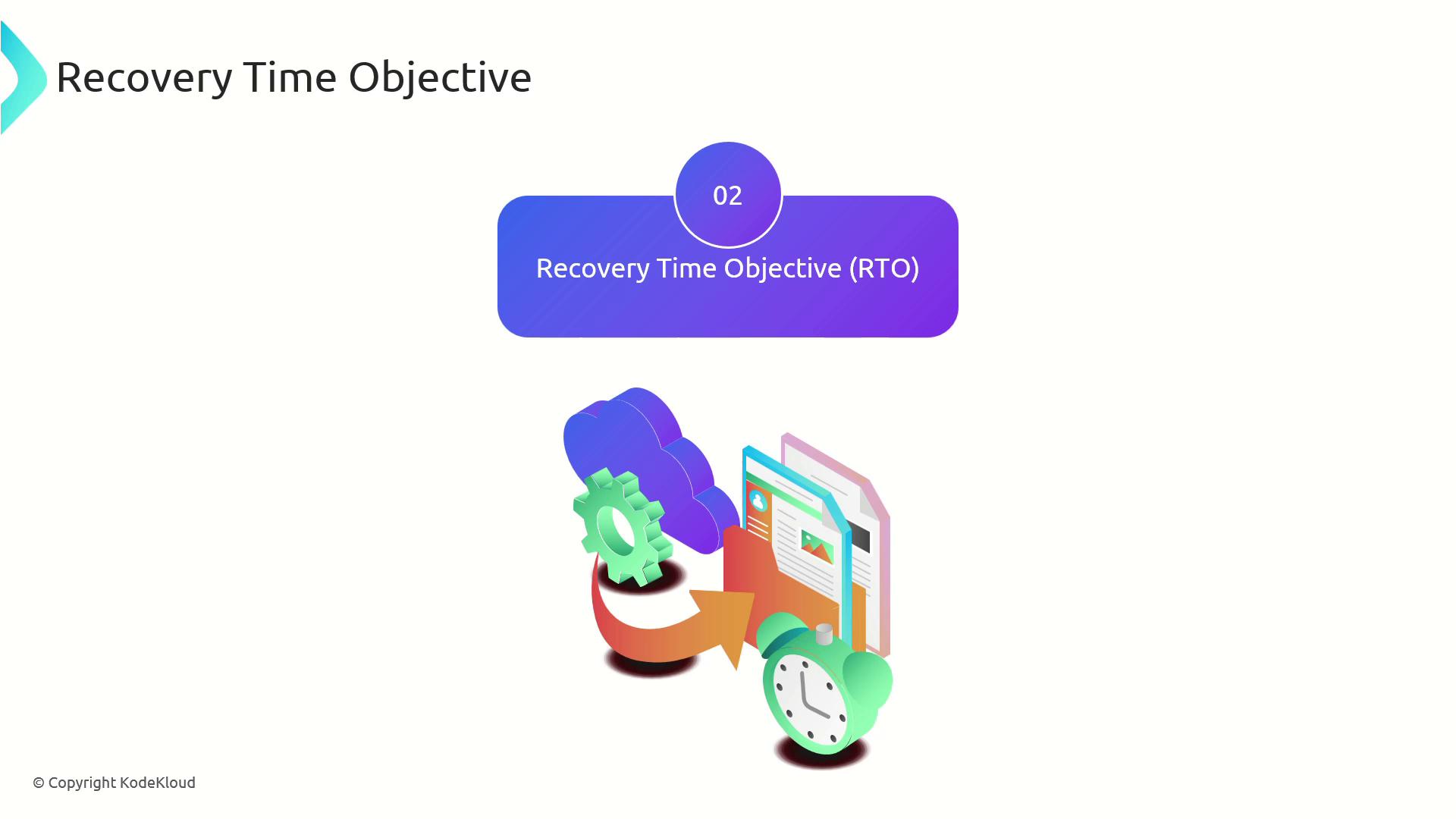
Mean Time Between Failures (MTBF)
Mean Time Between Failures (MTBF) is a reliability metric that indicates the average operational time between system failures. By monitoring MTBF, organizations can effectively plan preventive maintenance and forecast system reliability over time. This approach supports proactive measures to enhance overall system performance and reduce unexpected outages.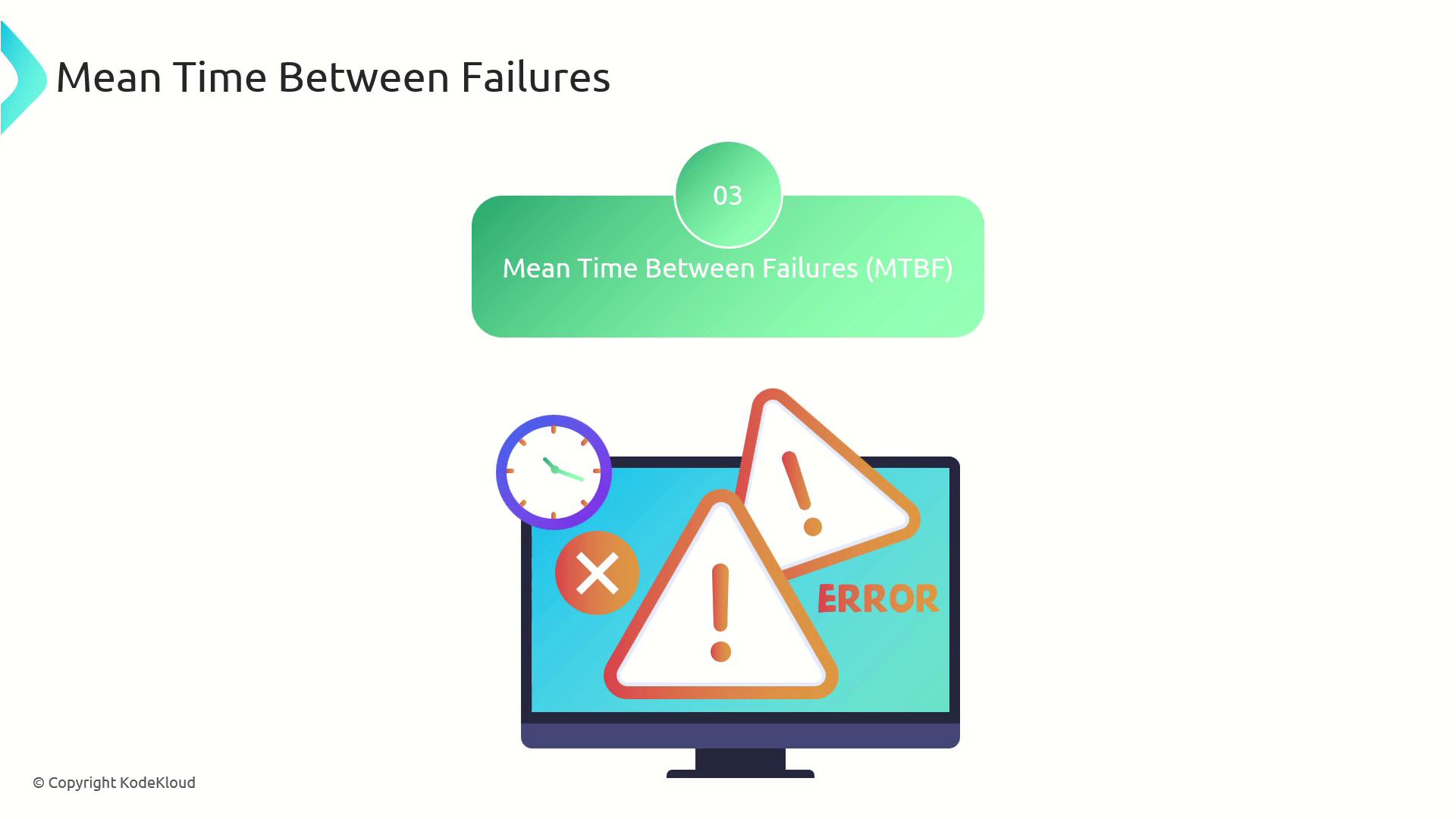
Understanding RPO, RTO, and MTBF empowers organizations to design systems that are resilient to disruptions. These metrics serve as foundational elements in developing comprehensive recovery plans that reduce downtime and limit financial and operational impacts.