

Continuous Monitoring and Revisions
Continuous monitoring and regular revisions are essential for maintaining an up-to-date security framework. These processes allow organizations to assess the effectiveness of their security measures, identify vulnerabilities, and adapt to new threats quickly.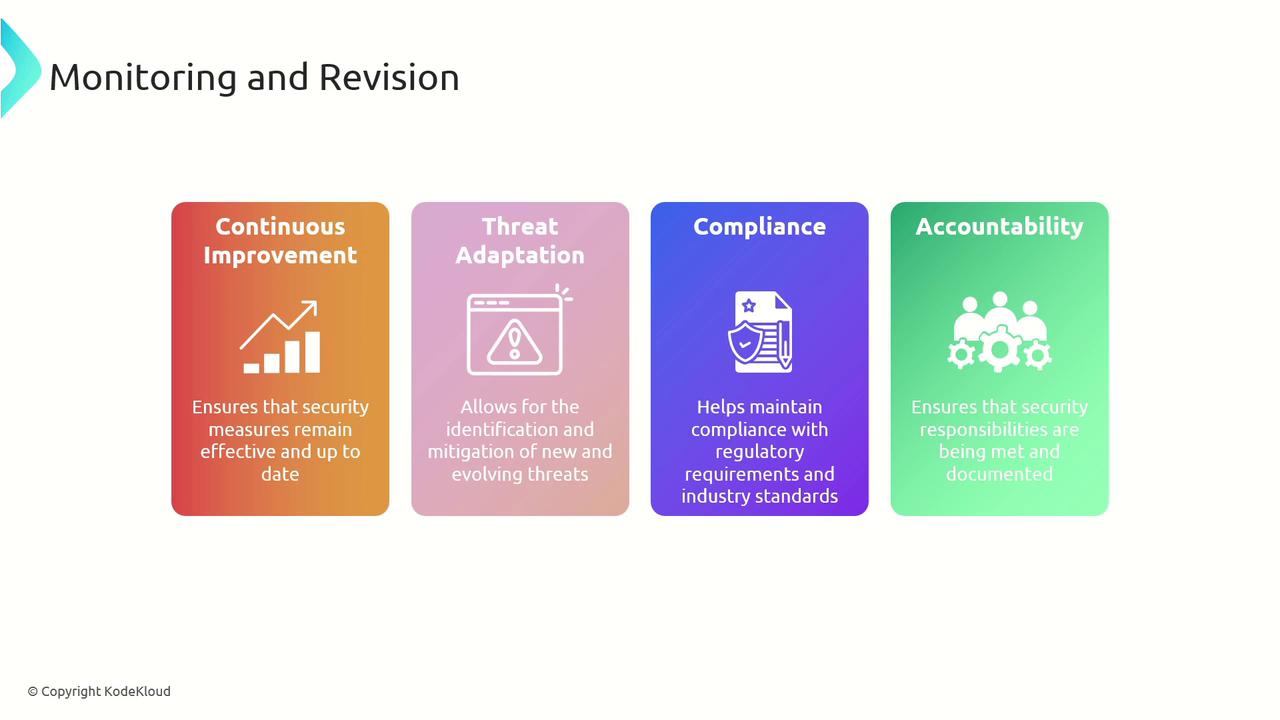
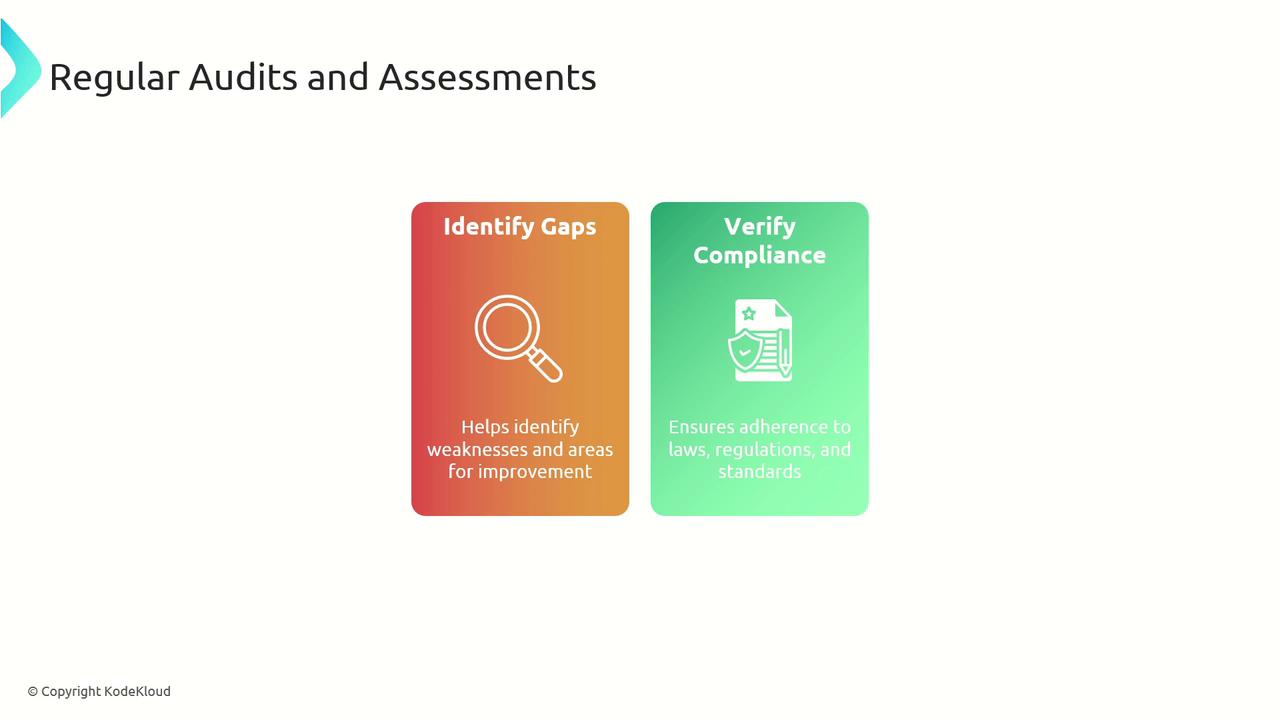
- Regular Audits and Assessments:
Systematic reviews of security policies, procedures, and controls help pinpoint weaknesses, confirm compliance with laws and standards, and reveal opportunities for enhancement.
-
Continuous Monitoring:
Real-time tracking of security events and system performance can detect anomalies early, enabling organizations to respond swiftly to potential incidents. For example, implementing a Security Information and Event Management (SIEM) system can help monitor network traffic and flag suspicious activities. -
Policy and Procedure Revisions:
Regular updates to security policies and organizational procedures are crucial. By revising policies—such as those related to incident response to include scenarios like ransomware attacks—organizations remain prepared to tackle emerging threats.
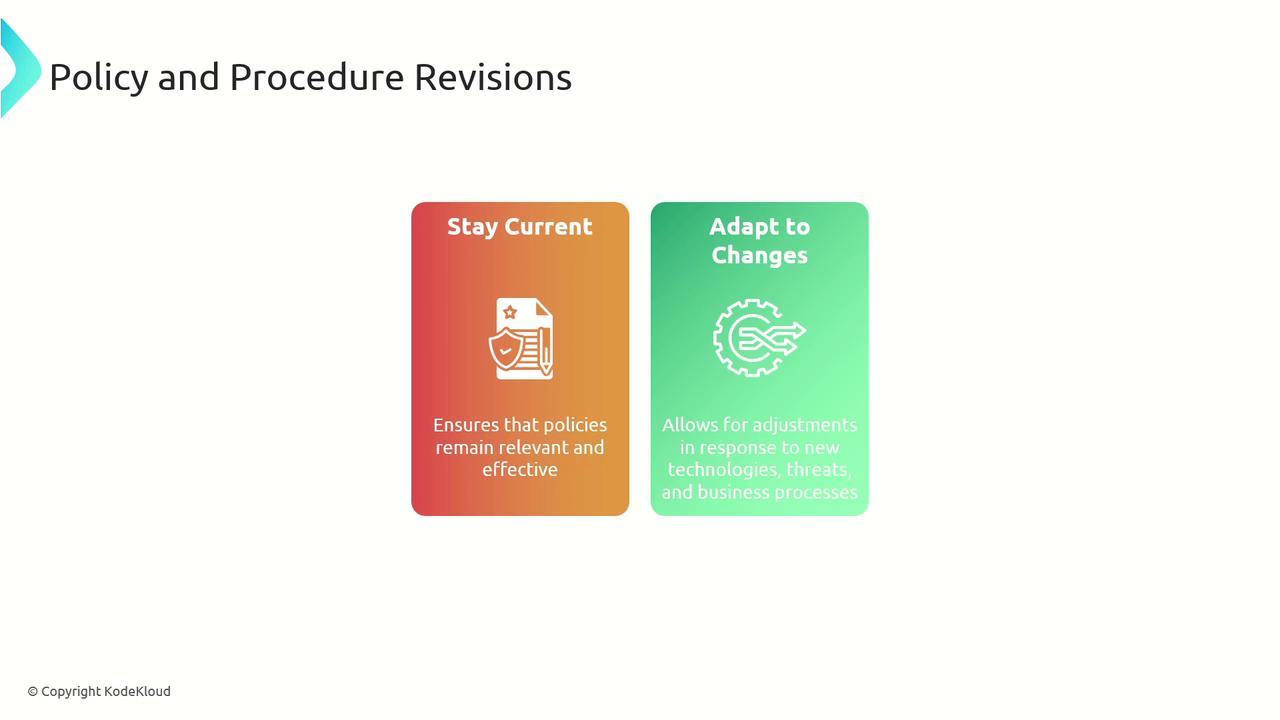
Keep in mind that regular policy reviews are essential for adapting to the rapidly changing threat landscape and evolving technology.
Governance Structures
A variety of governance structures exist to guide and oversee security initiatives. Each structure plays a distinct role in ensuring that comprehensive security measures are implemented and maintained throughout the organization.Boards
Boards, such as boards of directors or advisory boards, are central to defining an organization’s security strategy. They provide strategic oversight and hold the organization accountable by setting high-level security directions and ensuring alignment with business objectives.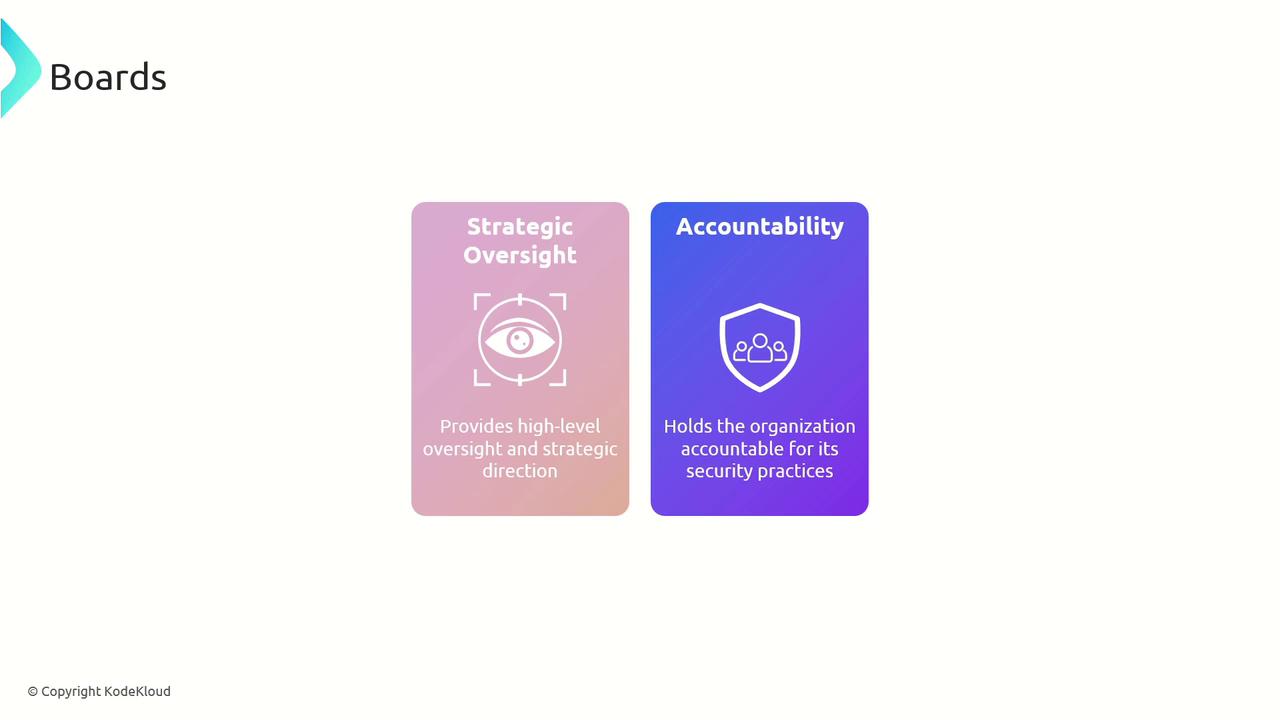
Committees
Specialized committees focus on specific areas like risk management and compliance. By leveraging expert knowledge, these committees offer detailed oversight and help implement targeted security solutions.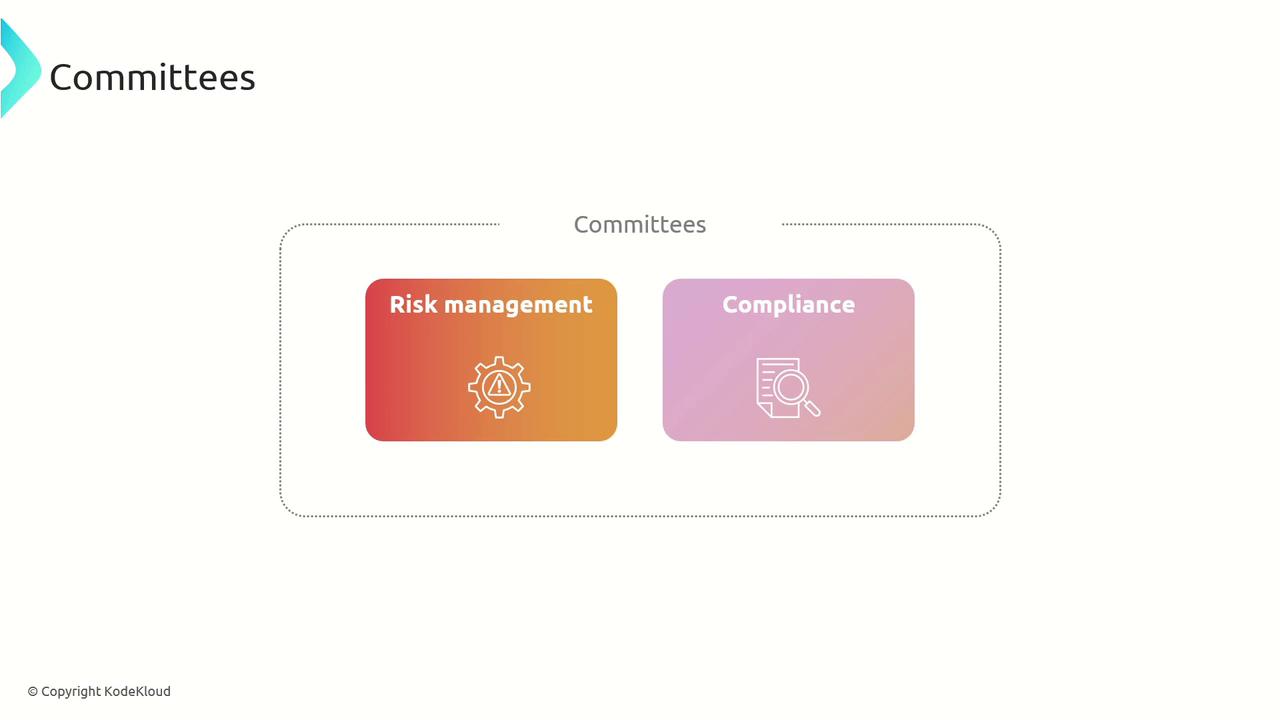
Government Entities
Government entities are responsible for establishing security regulations, standards, and guidelines. Their influence is critical for ensuring standardization and regulatory compliance. For example, the National Institute of Standards and Technology (NIST) provides widely adopted cybersecurity frameworks and guidelines.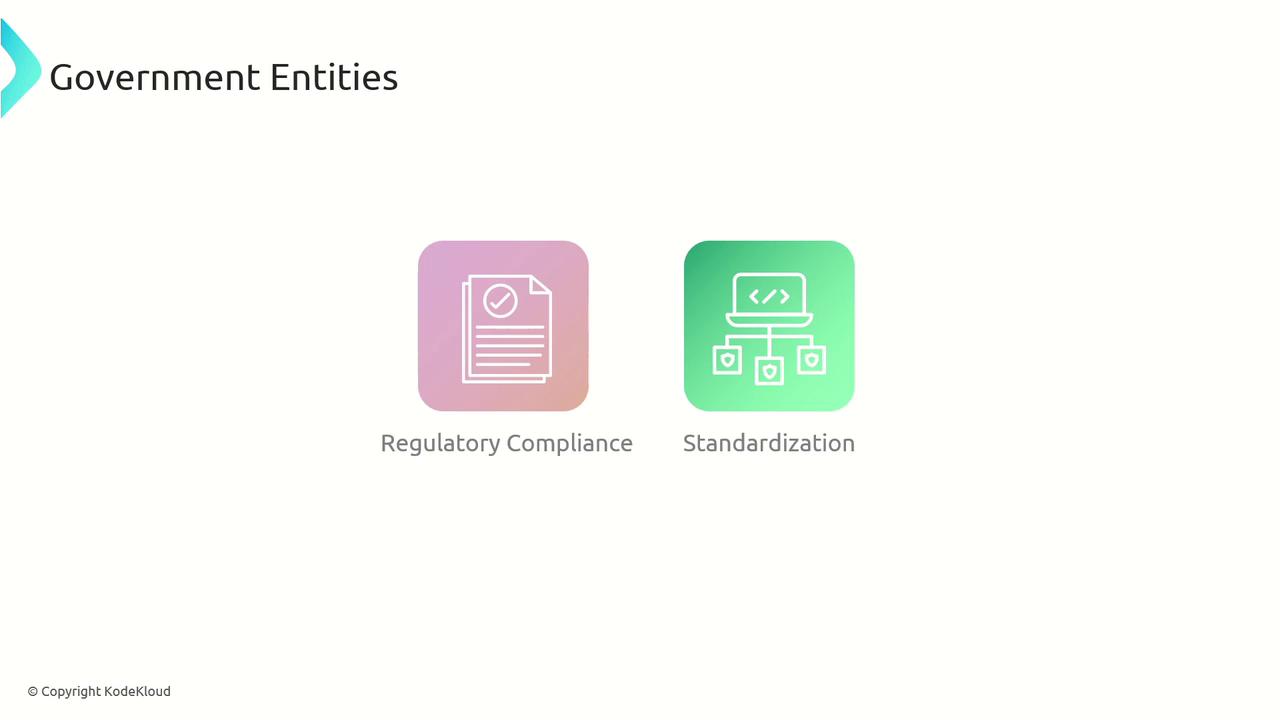
Centralized vs. Decentralized Governance
- Centralized Governance:
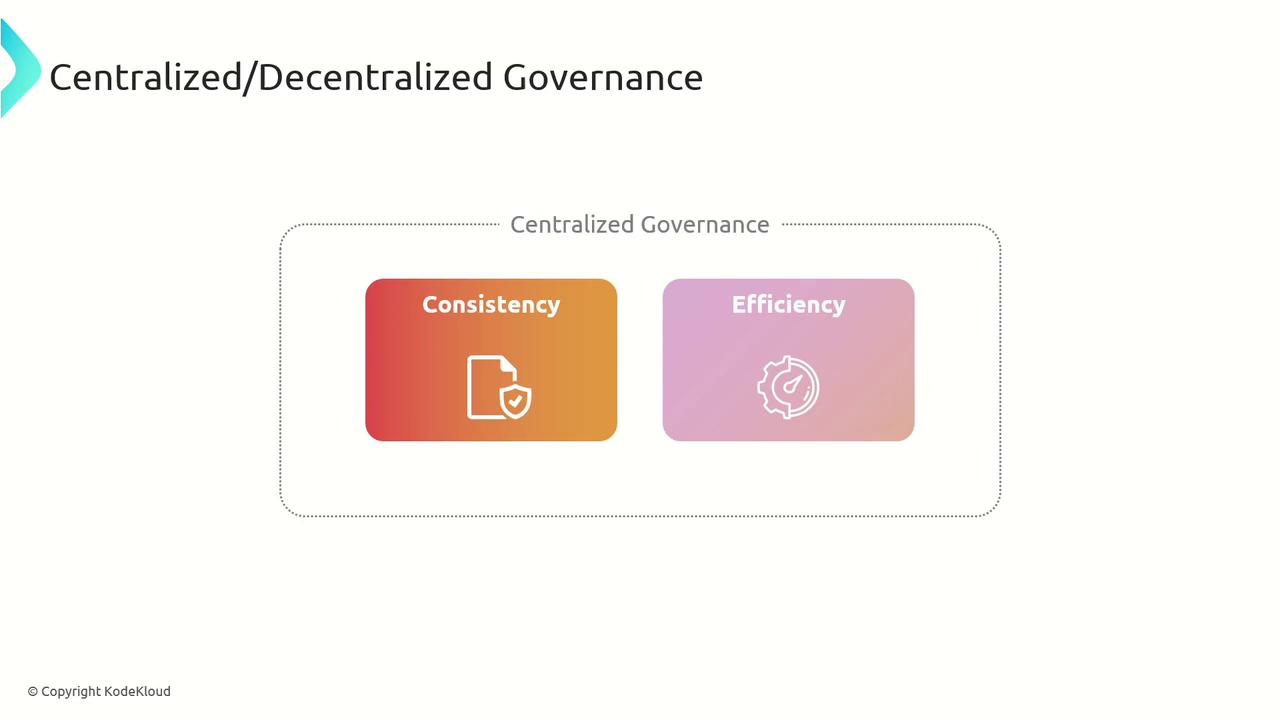
With a centralized approach, a single authority manages all security functions, ensuring consistency, streamlined decision-making, and efficient resource allocation. A central security team reporting directly to the Chief Information Security Officer (CISO) exemplifies this model.
- Decentralized Governance:
In contrast, decentralized governance distributes security responsibilities across multiple departments. This model offers flexibility and rapid response by tailoring security measures to specific departmental needs. For instance, each department might have its own security officer who collaborates with a central security committee.
Both centralized and decentralized governance models have their merits. Organizations should choose the structure that best aligns with their operational needs and risk profile.