

Identifying Risks
Identifying risks involves employing a variety of tools and methods to uncover potential vulnerabilities. Techniques such as vulnerability assessments, security audits, penetration testing, and participation in bug bounty programs are invaluable for discovering weaknesses in your system.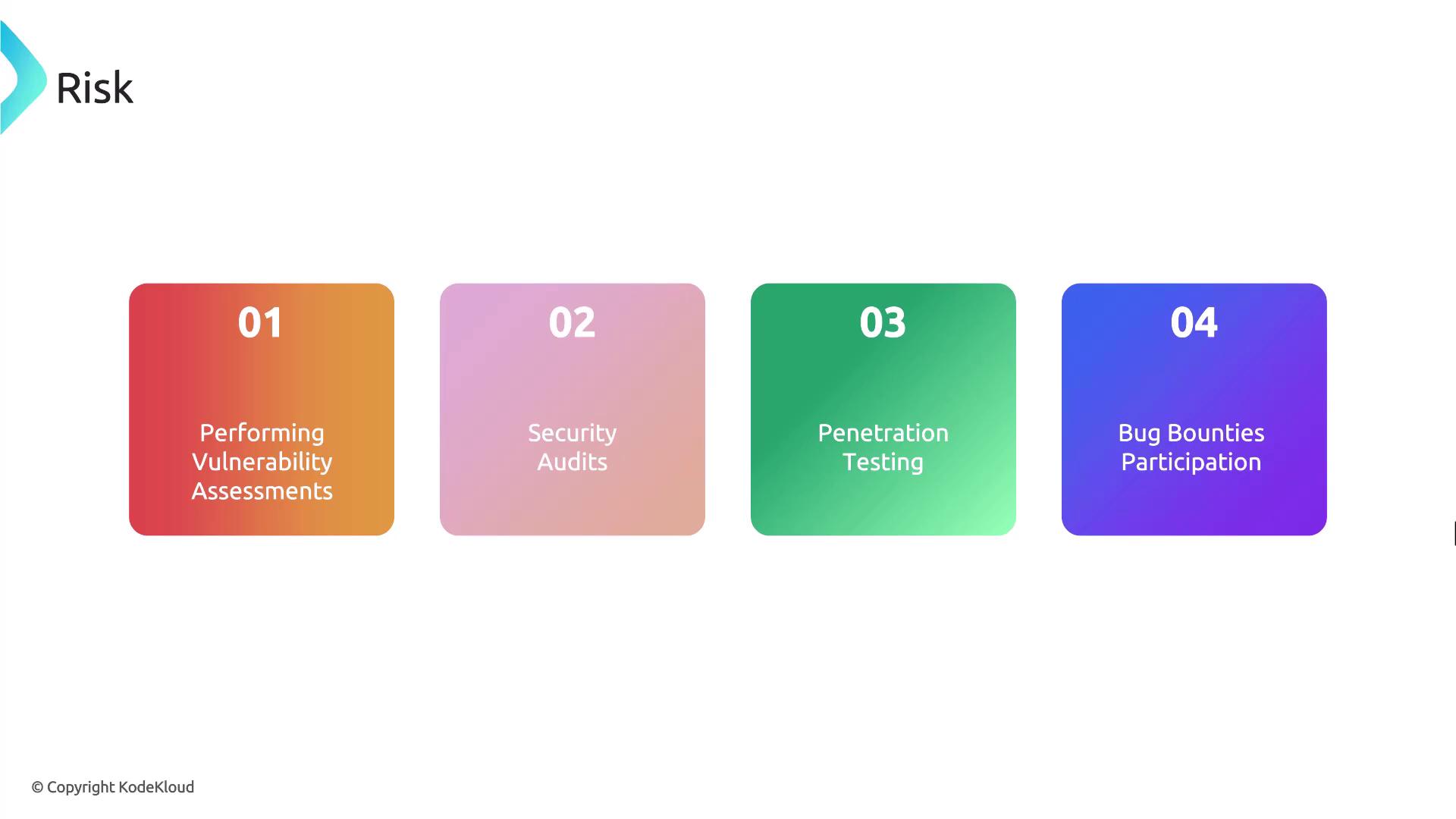
Conducting Risk Assessments
Risk assessments can be carried out through various approaches. The main methods include:- Ad Hoc Assessments: These are performed in response to a security incident or emerging threat. For example, if a new malware strain makes headlines, an immediate risk assessment might be necessary.
- Scheduled Assessments: Conducted during significant moments such as after a major system deployment or at regular intervals, scheduled assessments ensure that risk evaluations remain current.
- Continuous Assessments: Utilizing real-time software and threat intelligence, continuous assessments offer ongoing risk monitoring to quickly identify and react to new vulnerabilities.
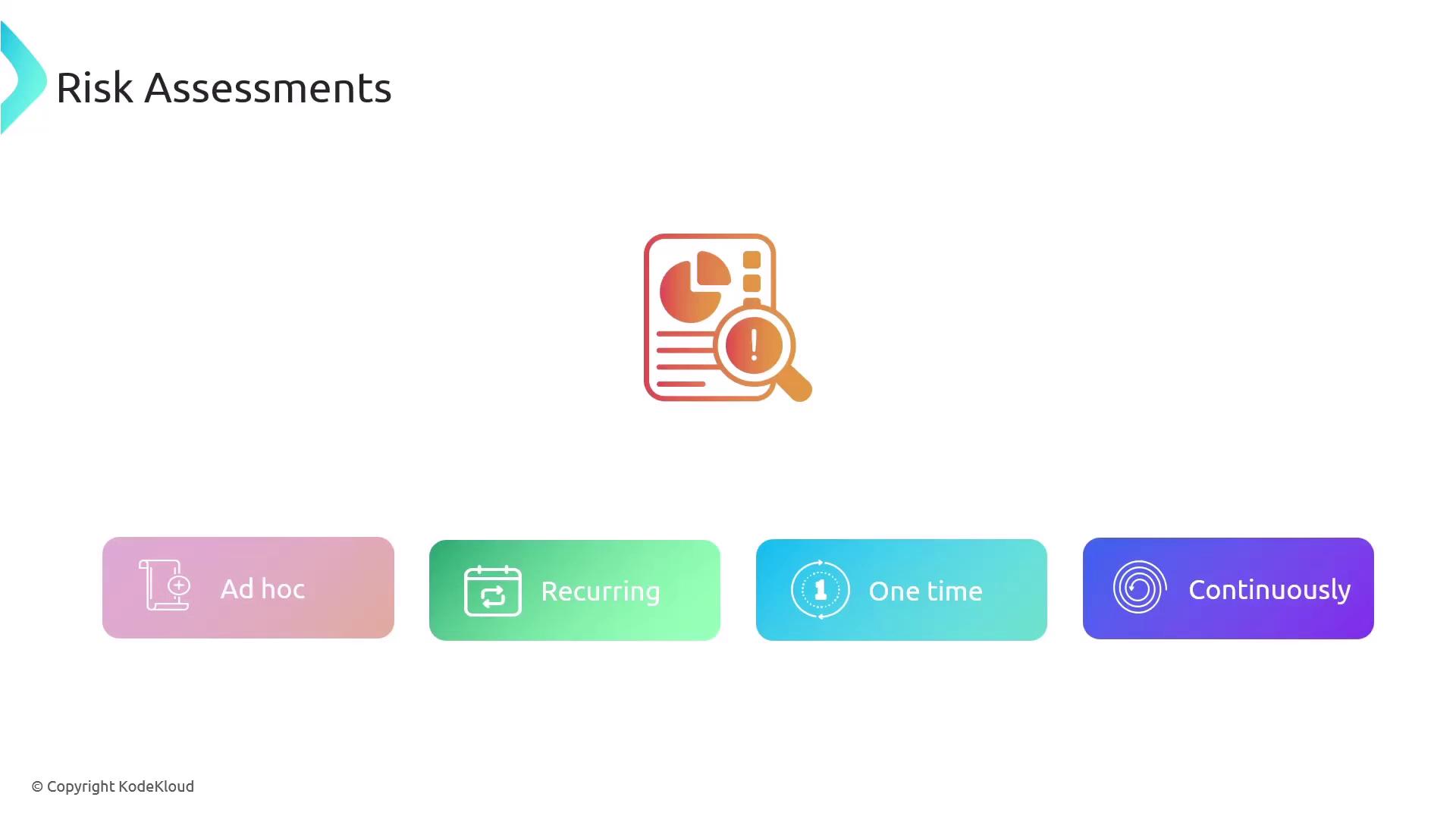
When assessing risks, consider both the potential impact and the likelihood of occurrence to ensure that mitigation strategies are effectively prioritized.
Prioritizing Risks
Prioritizing risks is key to ensuring that resources are deployed where they can have the greatest effect. Even if a particular risk, such as a single computer infection, seems minor due to its high frequency and low impact, it can escalate. For instance, a malware infection could evolve into a widespread ransomware attack, crippling your enterprise if critical data becomes inaccessible or ransom demands force expensive downtime. Even initially low-impact risks should be monitored closely since their nature can change over time, leading to more severe consequences.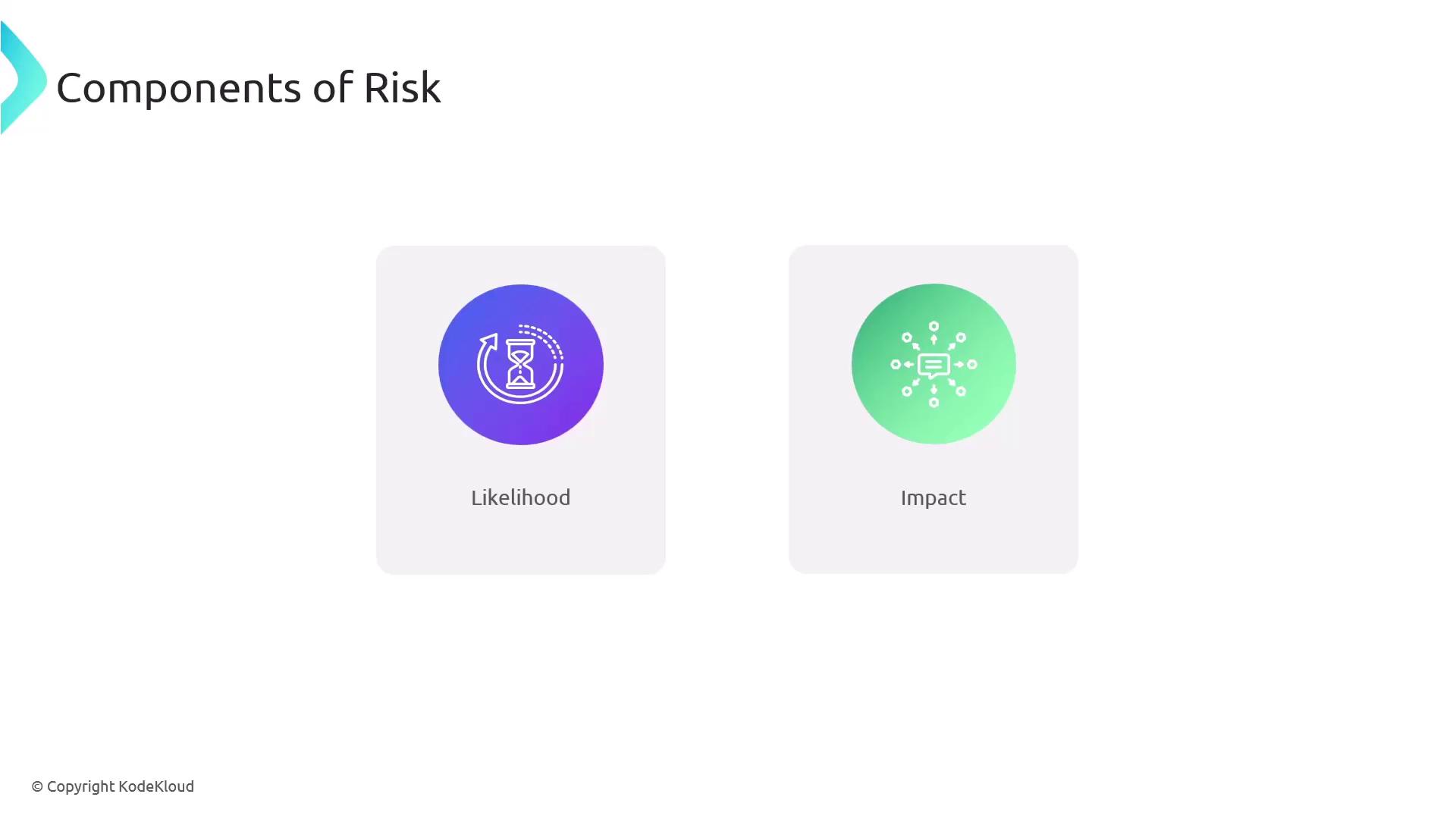
Do not underestimate low-impact risks. They may evolve into significant issues if changes in your environment or threat landscape occur.