

Legal Implications of Privacy
Understanding legal frameworks is crucial to ensure compliance and foster trust. Below are the main levels at which privacy laws operate:Local or Regional Privacy Laws
Local or regional privacy laws are put in place by state or regional authorities to protect the personal data of residents within specific jurisdictions. These laws are designed to address unique local privacy concerns and ensure that regional data protection standards are met. For instance, the California Consumer Privacy Act (CCPA) provides California residents with specific rights regarding their personal data.
National Privacy Laws
National privacy laws establish a unified framework for data protection across an entire country. This ensures consistency in how personal data is managed and protected. A prominent example is the General Data Protection Regulation (GDPR) in the European Union, which applies uniformly to all member states and has set a high standard for national data protection.
Global Privacy Laws
Global privacy regulations involve international agreements and standards designed to protect personal data across borders. They are essential for managing cross-border data transfers and ensuring multinational organizations remain compliant. For example, the Privacy Shield Framework between the EU and the United States facilitates legal data transfers between these regions.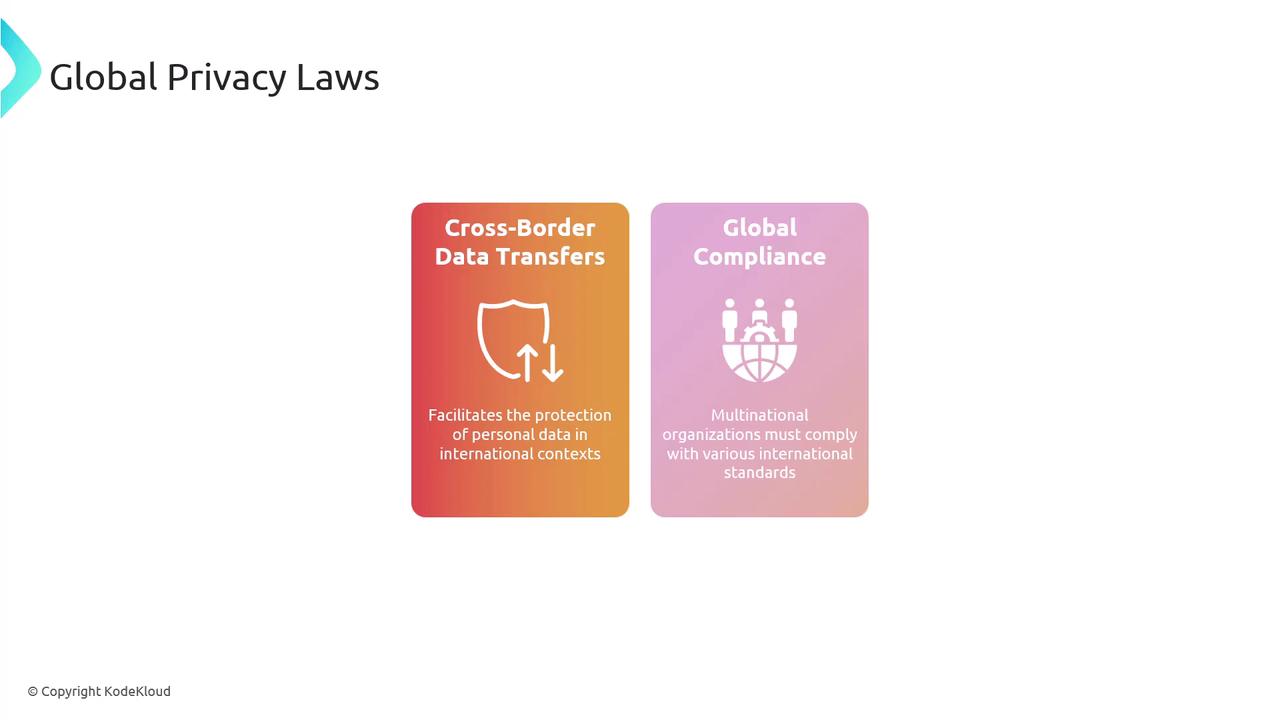
Key Concepts in Privacy
A clear grasp of key privacy concepts is fundamental for implementing robust data protection practices.Data Subjects
A data subject is an individual whose personal data is collected, stored, or processed by an organization. Recognizing data subjects is critical for ensuring that their rights are upheld. For instance, an employee whose personal information is maintained in an HR database is considered a data subject because their data is actively being processed.Data Controllers vs. Data Processors
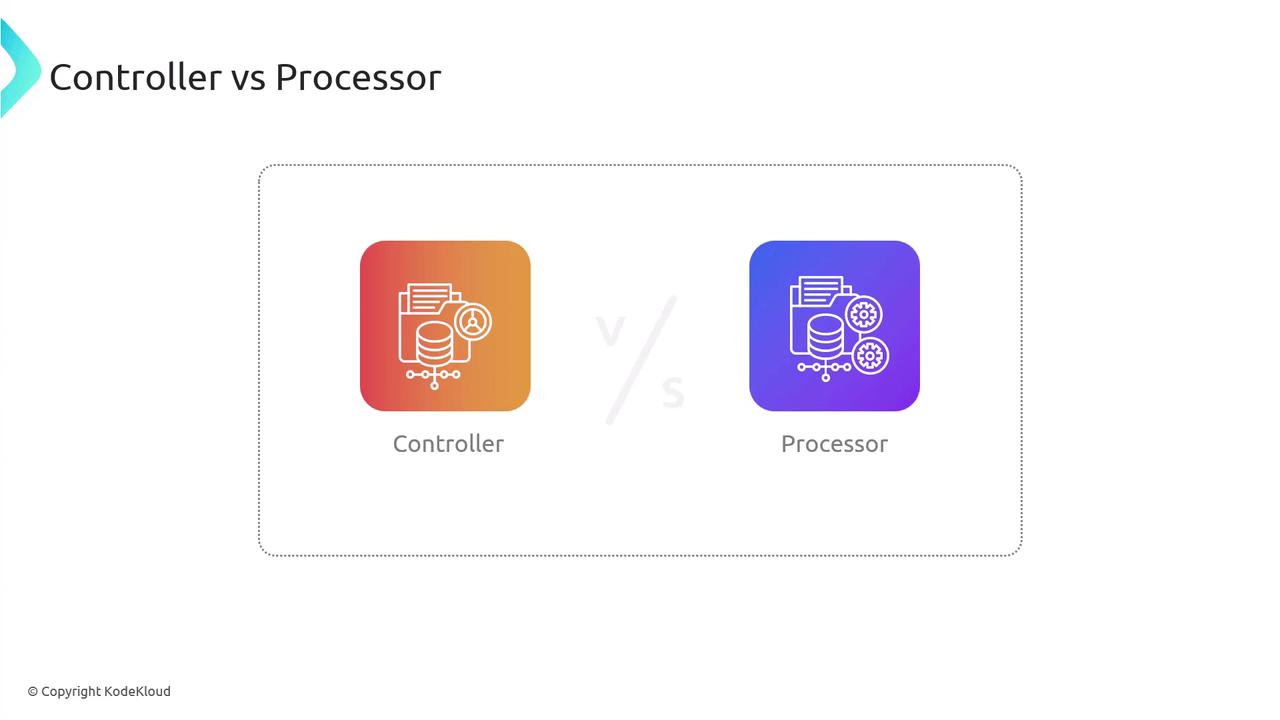
Understanding the difference between data controllers and data processors is essential:- Data Controllers: These entities determine the purposes and methods of processing personal data.
- Data Processors: They process data on behalf of the controllers under specific instructions.
Ownership
In the context of data, ownership defines who holds the legal rights and control over personal information. It determines who can make decisions regarding data usage and ensures accountability for data management. For example, users on a social media platform own the content they generate and can control its visibility and usage.
Data Inventory and Retention
Effective data management requires a comprehensive inventory of all personal data within an organization, coupled with well-defined retention policies. Data inventory involves maintaining an accurate record of data assets, while data retention defines how long personal data is stored before being securely deleted. For example, an organization might keep customer data for five years after the last transaction to ensure compliance with legal regulations.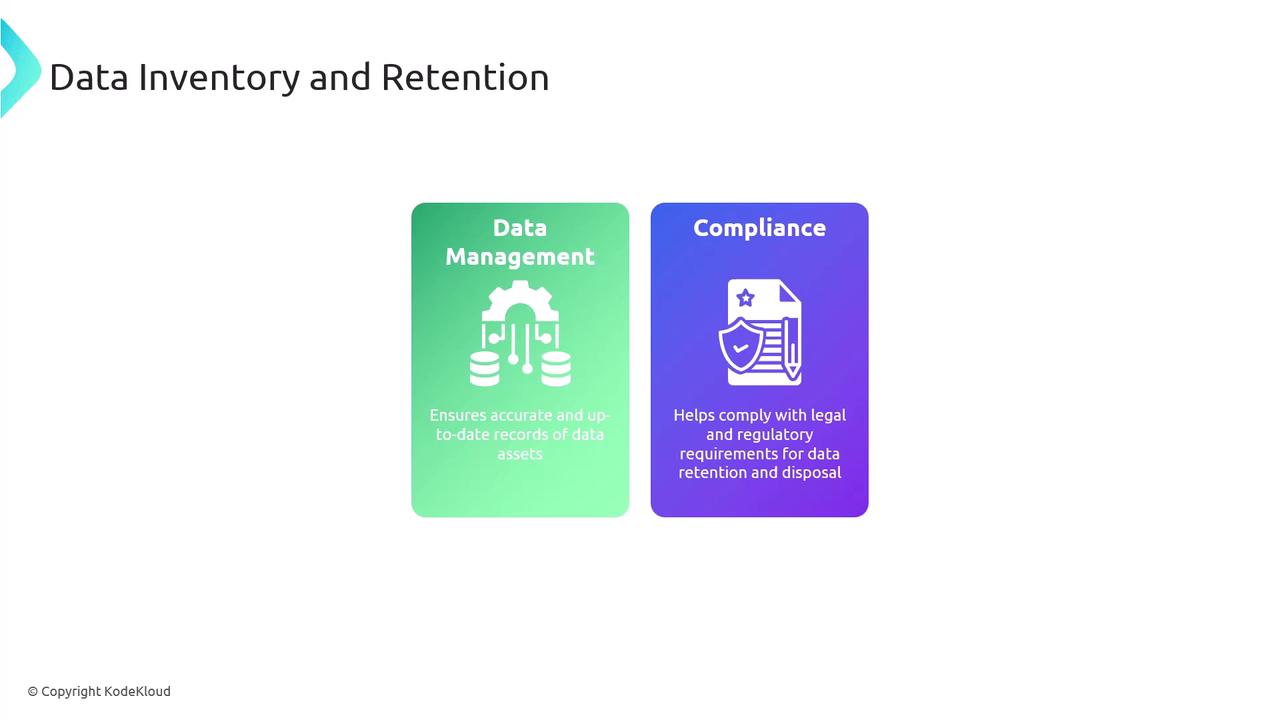
The Right to Be Forgotten
Also known as the right to erasure, the right to be forgotten empowers individuals to request the deletion of their personal data from an organization’s systems. This concept is crucial for maintaining privacy and supporting legal compliance. Organizations must honor these requests unless there are overriding legal obligations to retain the data. For example, a former customer may ask for their data to be removed from a company’s database, and the company should comply with this request whenever possible.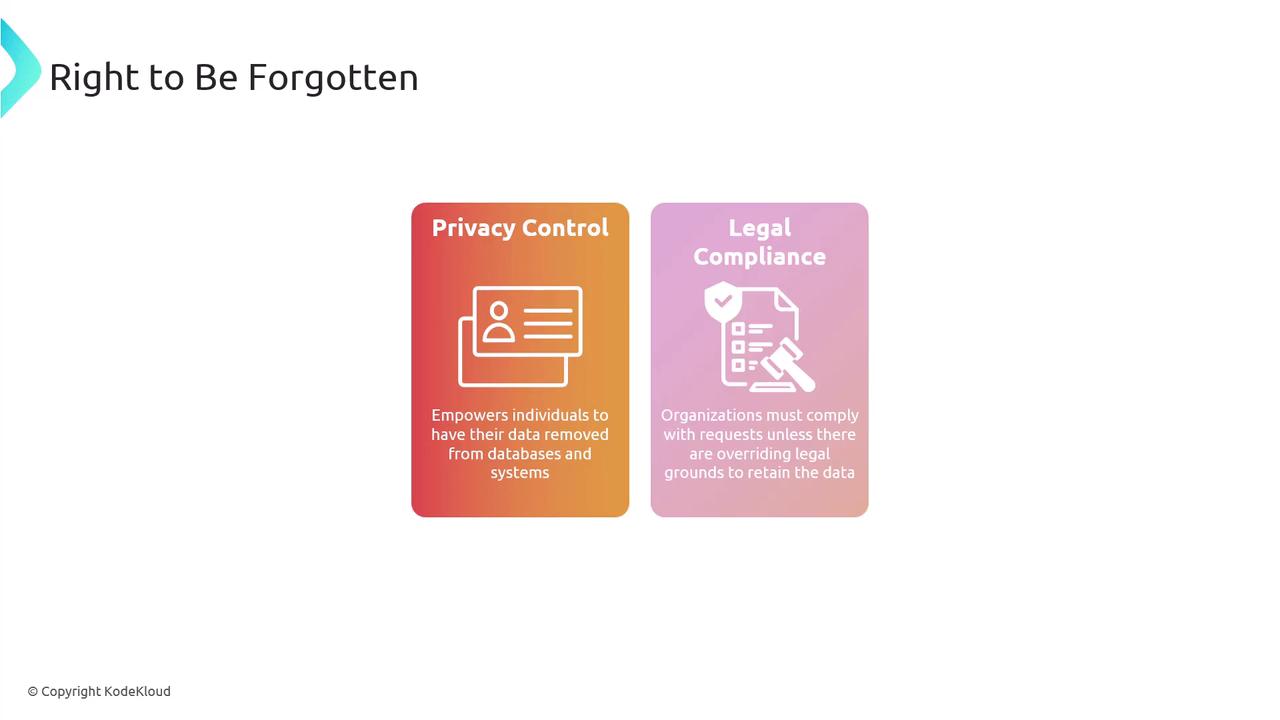
Understanding privacy involves not only knowing the legal frameworks at local, national, and global levels, but also grasping core concepts such as data subjects, data controllers versus processors, data ownership, data inventory and retention, and the right to be forgotten.