

- How do you ensure that your application, along with its databases, messaging systems, and backend services, works seamlessly?
- How do you scale your application when demand fluctuates?
- And, what strategies can you use to scale down without service disruption?
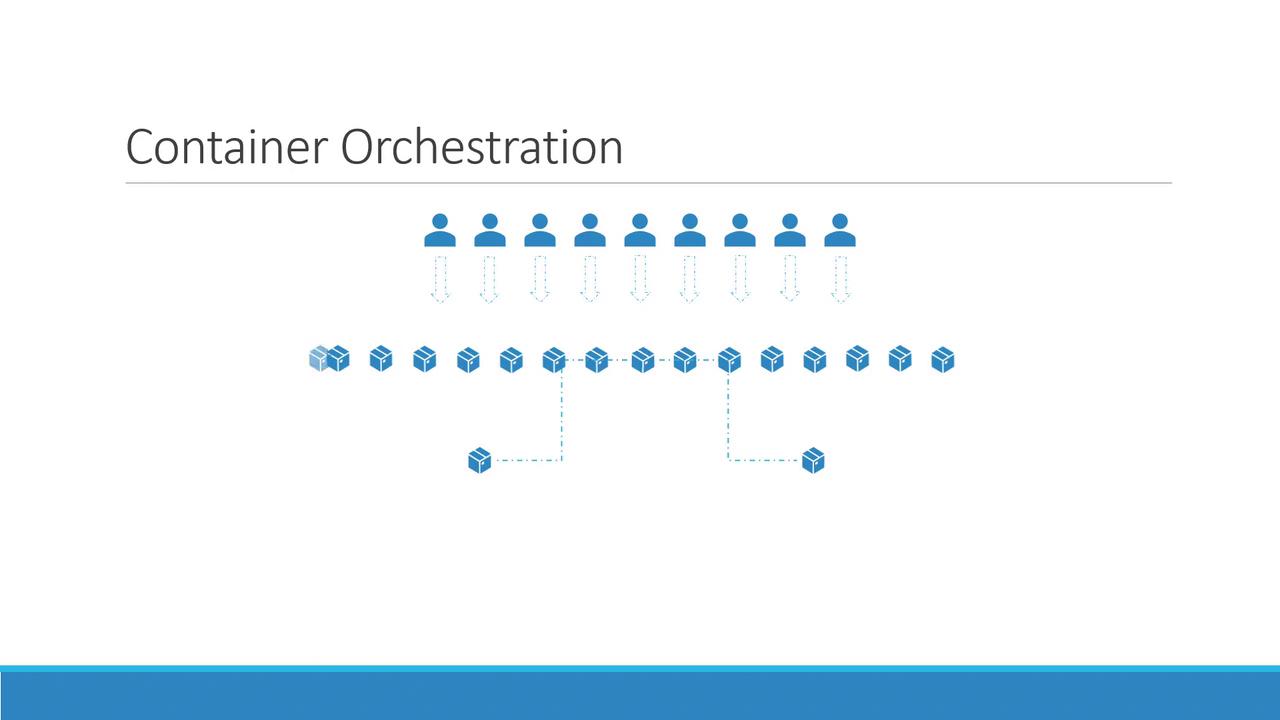
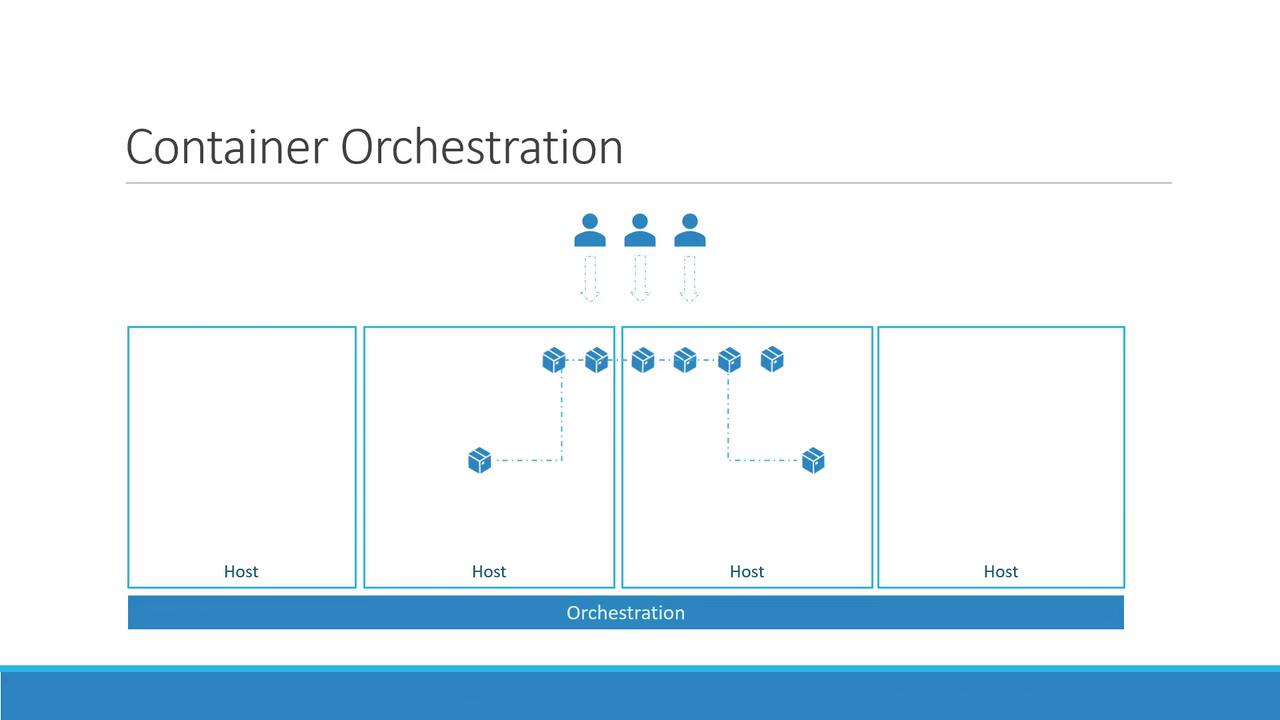
Key Orchestration Technologies
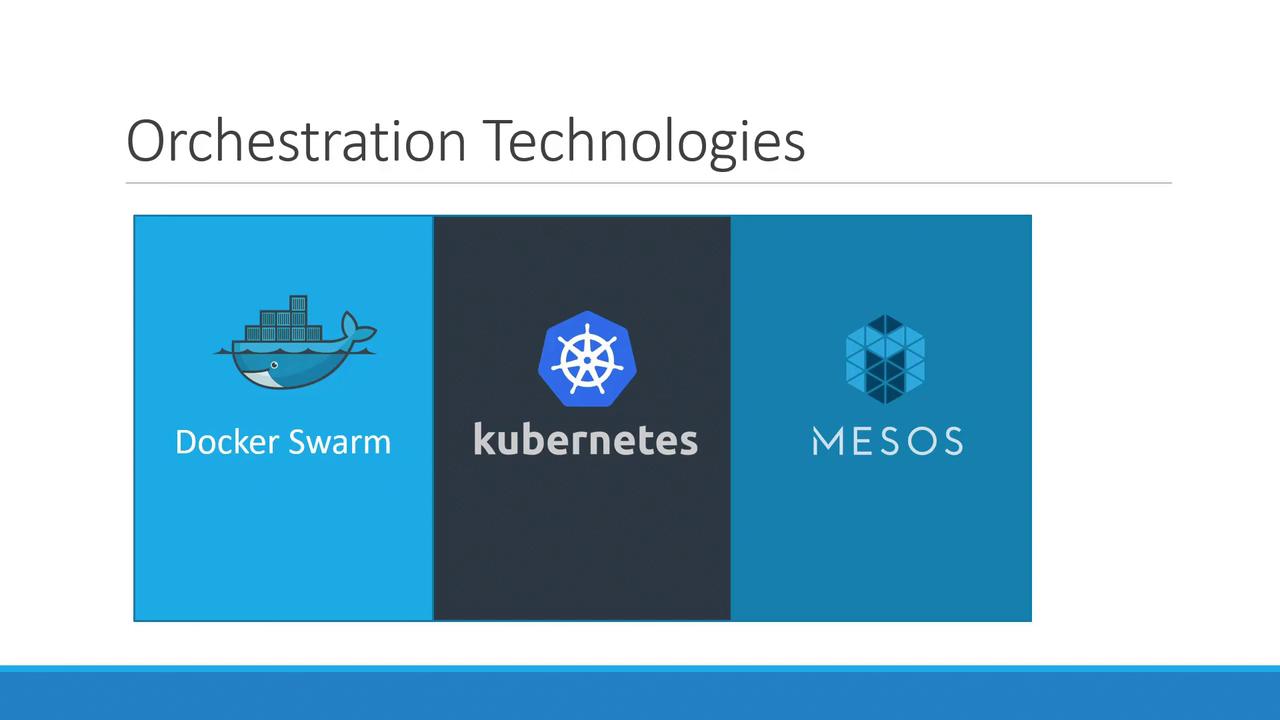
Among the array of container orchestration tools, Kubernetes has emerged as a robust, feature-rich solution. Other notable alternatives include Docker Swarm and Apache Mesos:- Docker Swarm: Known for its simplicity and ease of setup.
- Apache Mesos: Offers advanced features, though it can be more challenging to configure.
- Kubernetes: While it may require a steeper learning curve initially, Kubernetes provides extensive customization options for complex architectures. It is widely supported across major public cloud platforms such as GCP, Azure, and AWS. In addition, Kubernetes remains one of the top-ranked projects on GitHub.
Benefits of Container Orchestration
Container orchestration offers several key advantages:- High Availability: Your application remains online even if individual hardware components fail, as multiple instances run across different nodes.
- Load Balancing: User traffic is efficiently distributed across containers, ensuring optimal performance.
- Rapid Scaling: New container instances can be deployed in seconds when user demand increases.
- Dynamic Resource Management: Additional nodes can be added or removed seamlessly as needed.
- Declarative Configuration: Management operations are handled via declarative configuration files, simplifying deployment and updates.
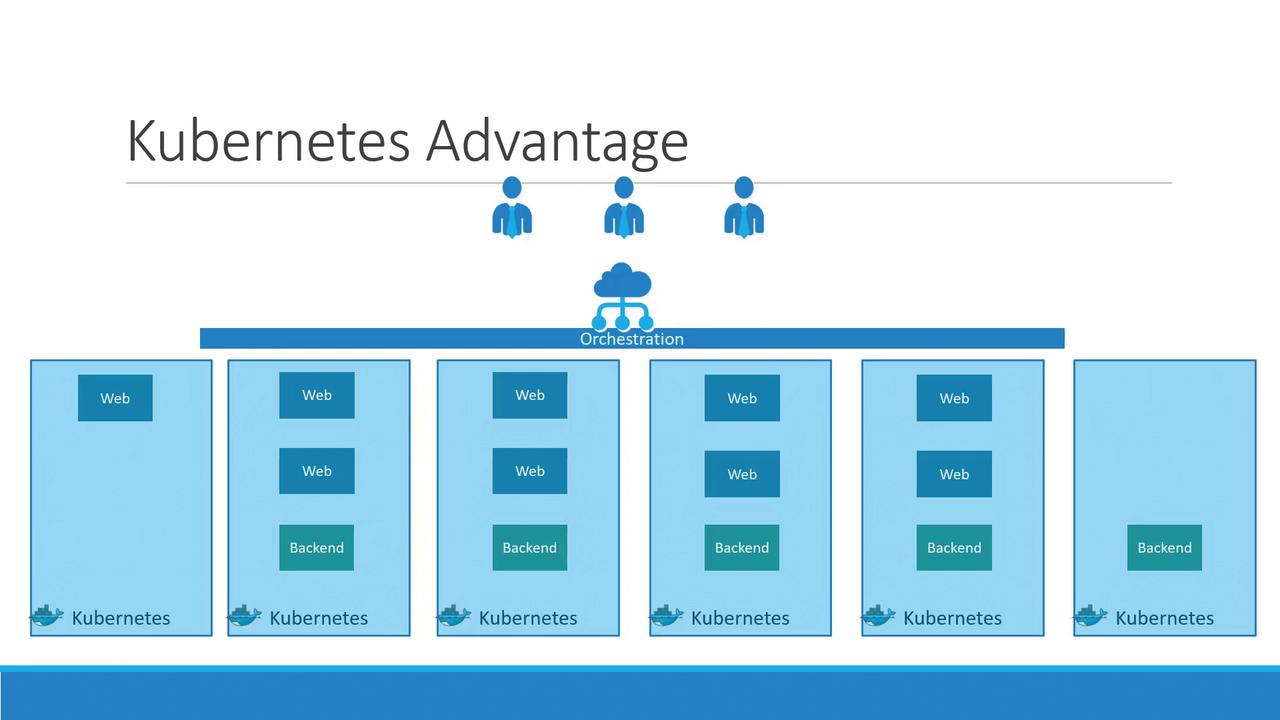
Kubernetes is designed to deploy and manage hundreds or even thousands of containers across a clustered environment, making it ideal for modern scalable applications.