


The S2I Workflow
The S2I workflow initiates whenever you commit your source code to a repository. The process is as follows:- S2I extracts the source code.
- It automatically assembles the source into a Docker-formatted container image.
- The resulting image is pushed to a Docker registry.
Key Advantages of S2I
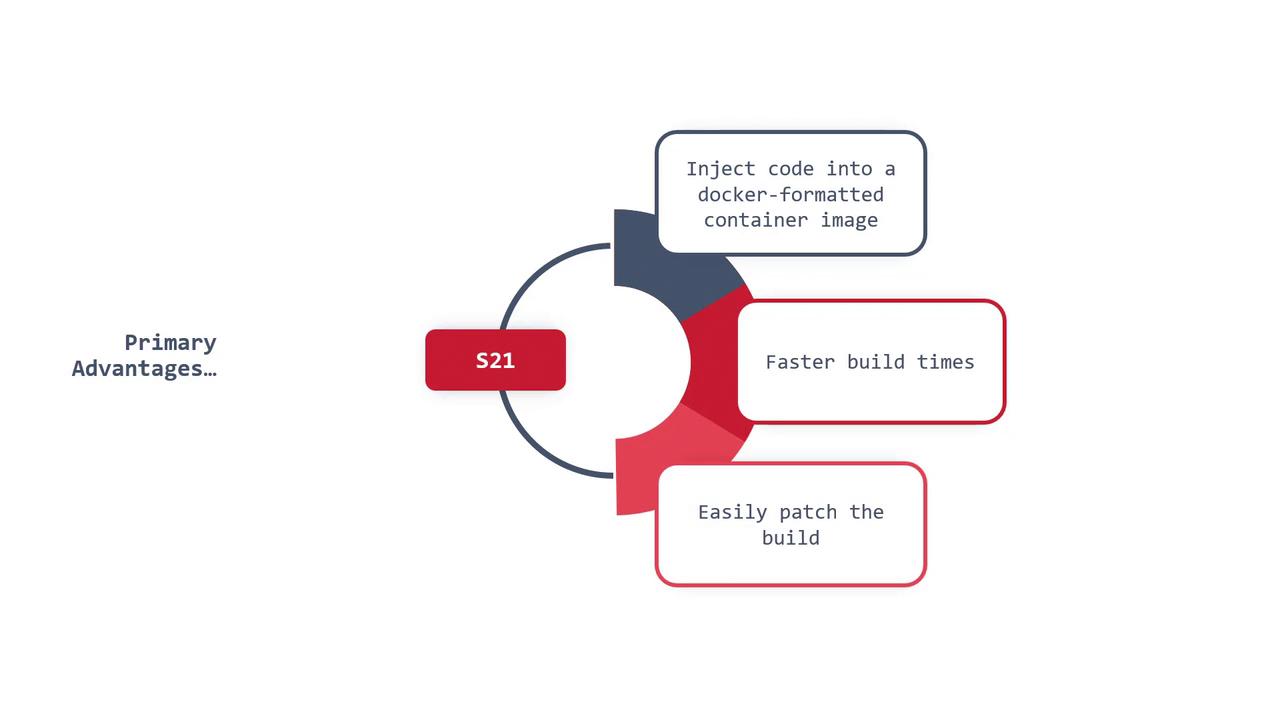
- Produces a Docker image directly from your source code, removing the need to manage Dockerfiles or separate build scripts.
- Ensures consistent and automated builds, reducing the risk of human error.
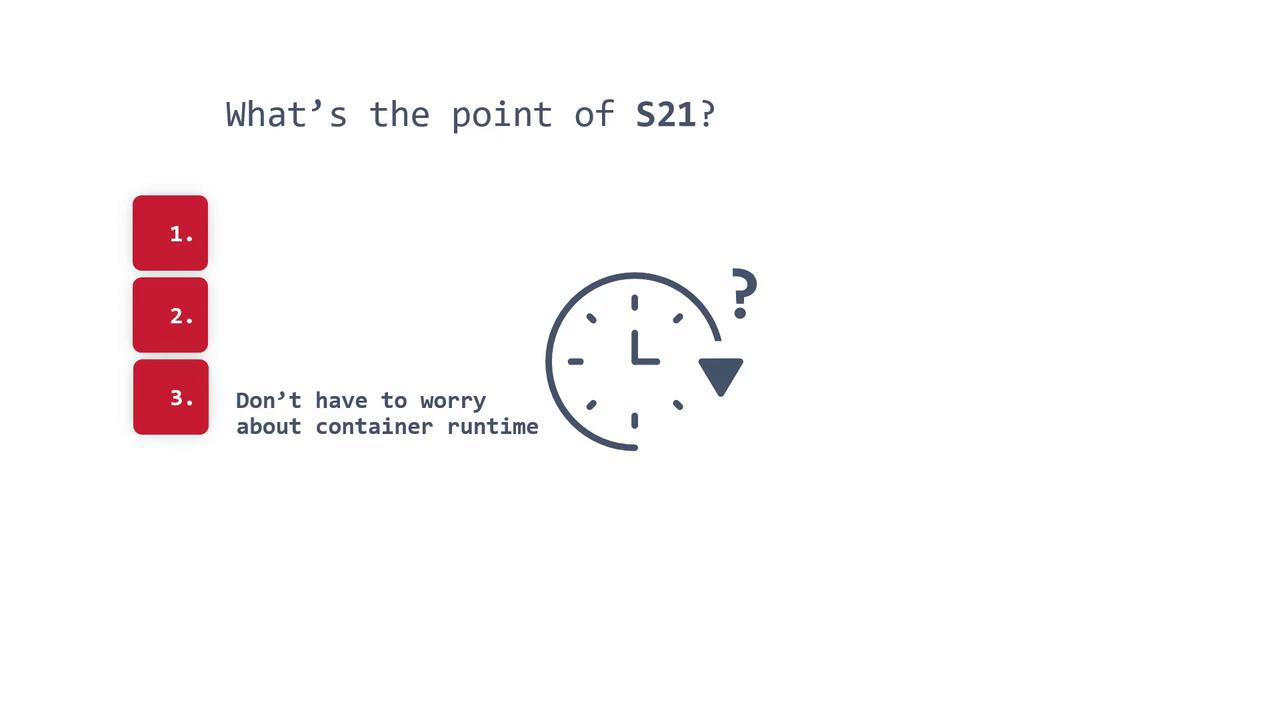
- Abstracts the container runtime concerns, making your workflows independent of the specific OCI-compliant runtime.
- Enhances security by enforcing permissions, authentication, and authorization, thereby limiting image build initiation to trusted users or teams.
- Faster Build Times: Optimized operations reduce build times.
- Efficient Patching: S2I can compare current artifacts with previous builds, enabling incremental updates.
S2I Implementation and Scripts
Implementing S2I typically involves defining a script that explains how to build the container image from your source code. Although this script can be written in any programming language, its structure often mirrors a simplified Dockerfile, outlining clear steps for the build process. Below is an example of a simple Bash script that might be placed in the/tmp/S2I directory. This script shows how to manage pre-built artifacts, compile the source code, and install the resulting artifacts:
make, and finally, the artifacts are installed. This basic process demonstrates the powerful automation capabilities of S2I for container image creation.
Conclusion
S2I streamlines the container image build process by allowing you to focus on your source code while the system handles the heavy lifting. This approach provides a secure, efficient, and standardized method for creating container images ready for modern orchestration platforms. For more detailed information, refer to the OpenShift Container Platform documentation, which provides extensive details on S2I scripts and configuration.
Leveraging S2I enables developers and DevOps engineers to integrate code changes seamlessly into production-ready container images, benefiting from automated processes, enhanced security, and optimized build times.