The Role of Logstash in the EFK Stack
Logstash is a cornerstone component of the EFK (Elasticsearch, Fluentd/Fluent Bit, Kibana) stack, renowned for its ability to ingest, transform, and route data from diverse sources. Organizations around the world rely on Logstash for its robust log processing flows and its capacity to manage complex log data architectures.Comparing Logstash and Fluent Bit
Understanding the strengths and differences between Logstash and Fluent Bit is crucial:- Architectural Differences: Logstash offers extensive plugin options and a mature ecosystem, while Fluent Bit is a lightweight, efficient log shipper.
- Plugin Ecosystems: Both tools support a range of plugins for different scenarios, but Fluent Bit is often chosen for its optimized performance in high-throughput, low-resource environments.
- Performance Considerations: Fluent Bit is particularly favored in edge computing and containerized setups due to its resource efficiency.
Spotlight on Fluent Bit
Fluent Bit is designed for scenarios where lightweight, high-performance log shipping is necessary. It excels in environments demanding low resource usage while still delivering high throughput.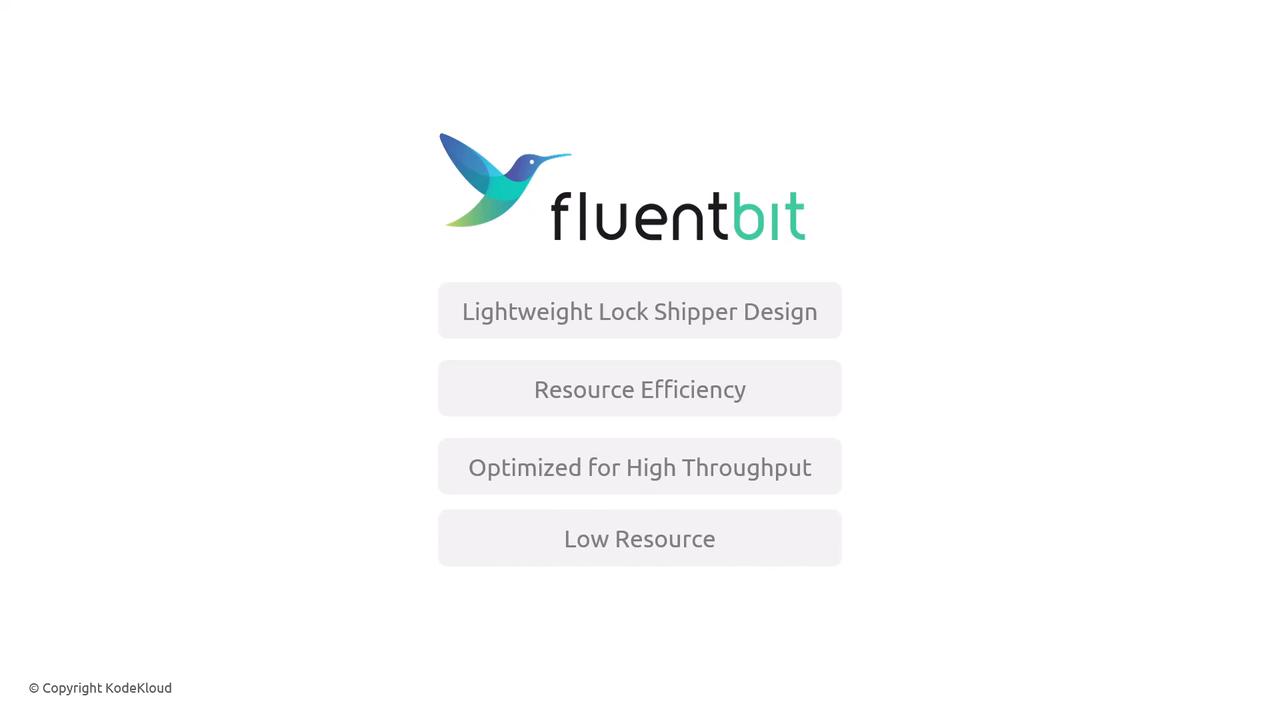
Fluent Bit is especially suitable for edge computing, where resource constraints are common, and speed is essential.
Core Components of Fluent Bit
Fluent Bit’s architecture is built around three main components:- Input Plugins: Capture log data from various sources.
- Filter Plugins: Process and modify log entries.
- Output Plugins: Forward processed logs to desired destinations.

What You Will Learn
By the end of this article, you will have a comprehensive understanding of how Logstash and Fluent Bit work within logging architectures. You will also learn how to leverage these tools to set up robust log processing pipelines that meet your specific needs. Let’s get started on enhancing your logging infrastructure with Fluent Bit.