In this tutorial, we’ll build a Bash script that picks a random lunch spot from a list—without repeats—by combining indexed arrays and simple file-based persistence. This pattern is perfect for one-time draws, rotating duties, or any scenario where you want to consume items until the list is exhausted.
Imagine a team of 20 colleagues who vote on their favorite restaurants each Friday. Everyone adds their go-to spot to an array. The script then:
Reads the list into memory
Selects a random entry
Displays it
Removes it from both memory and disk
Exits with an error if the list is missing or empty
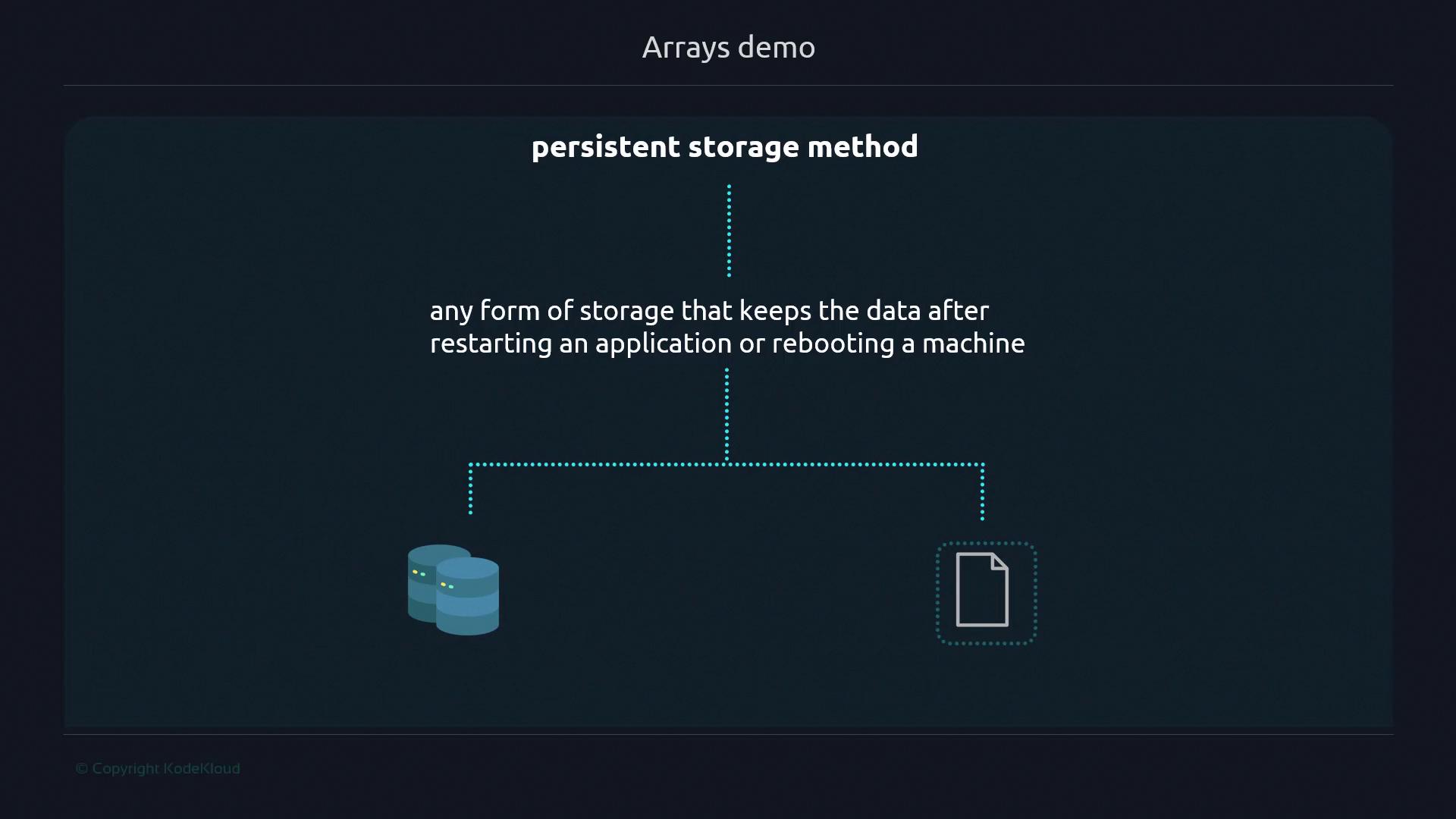
Why In-Memory vs Persistent Storage?
Manipulating data in memory means changes disappear once the script ends.
Persistent storage (files, databases) retains data between runs.
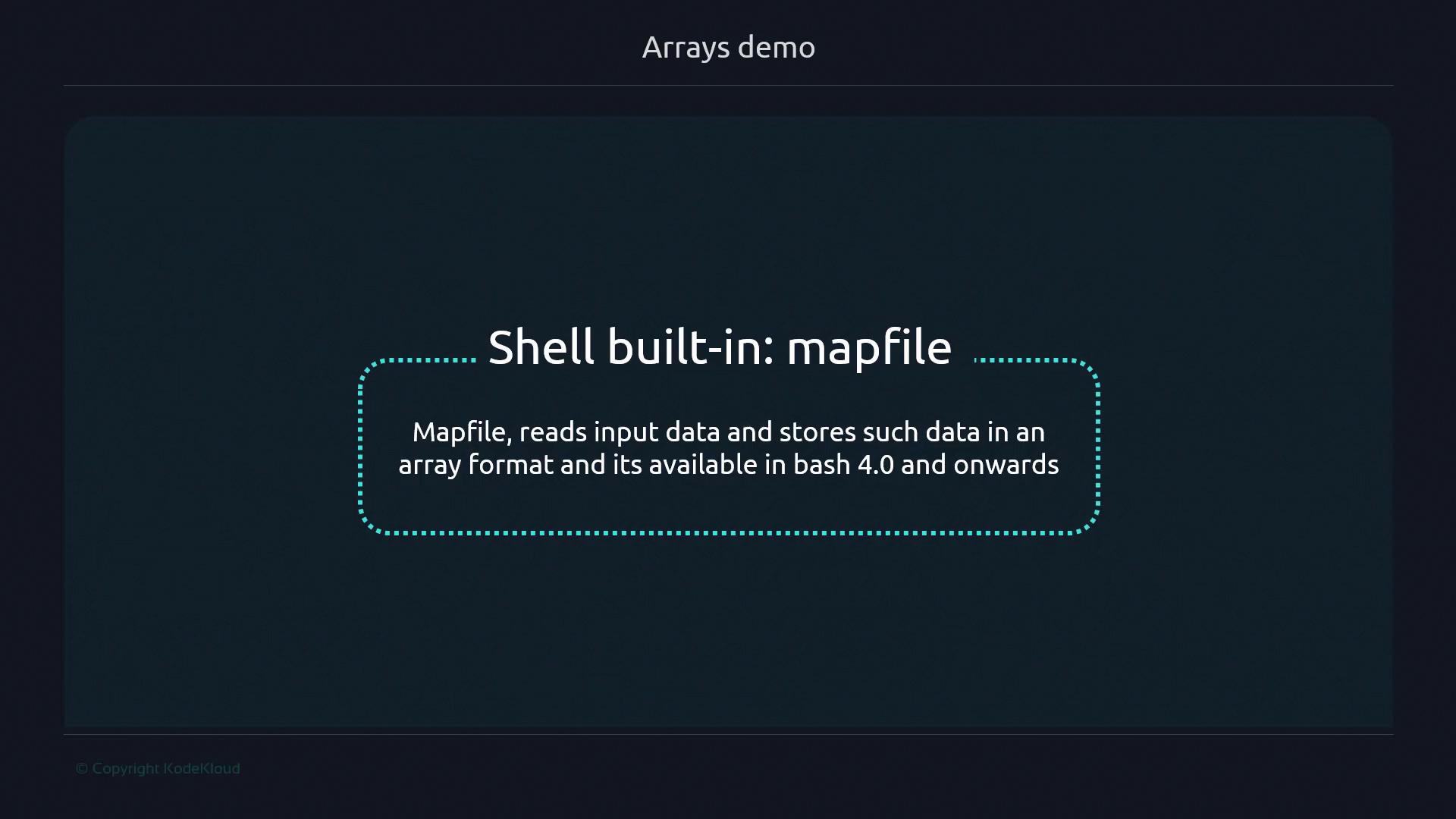
This script uses Bash 4.0+ for the mapfile builtin.
Key Bash Features
mapfile -t : Loads lines from a file (or stdin) into an array.
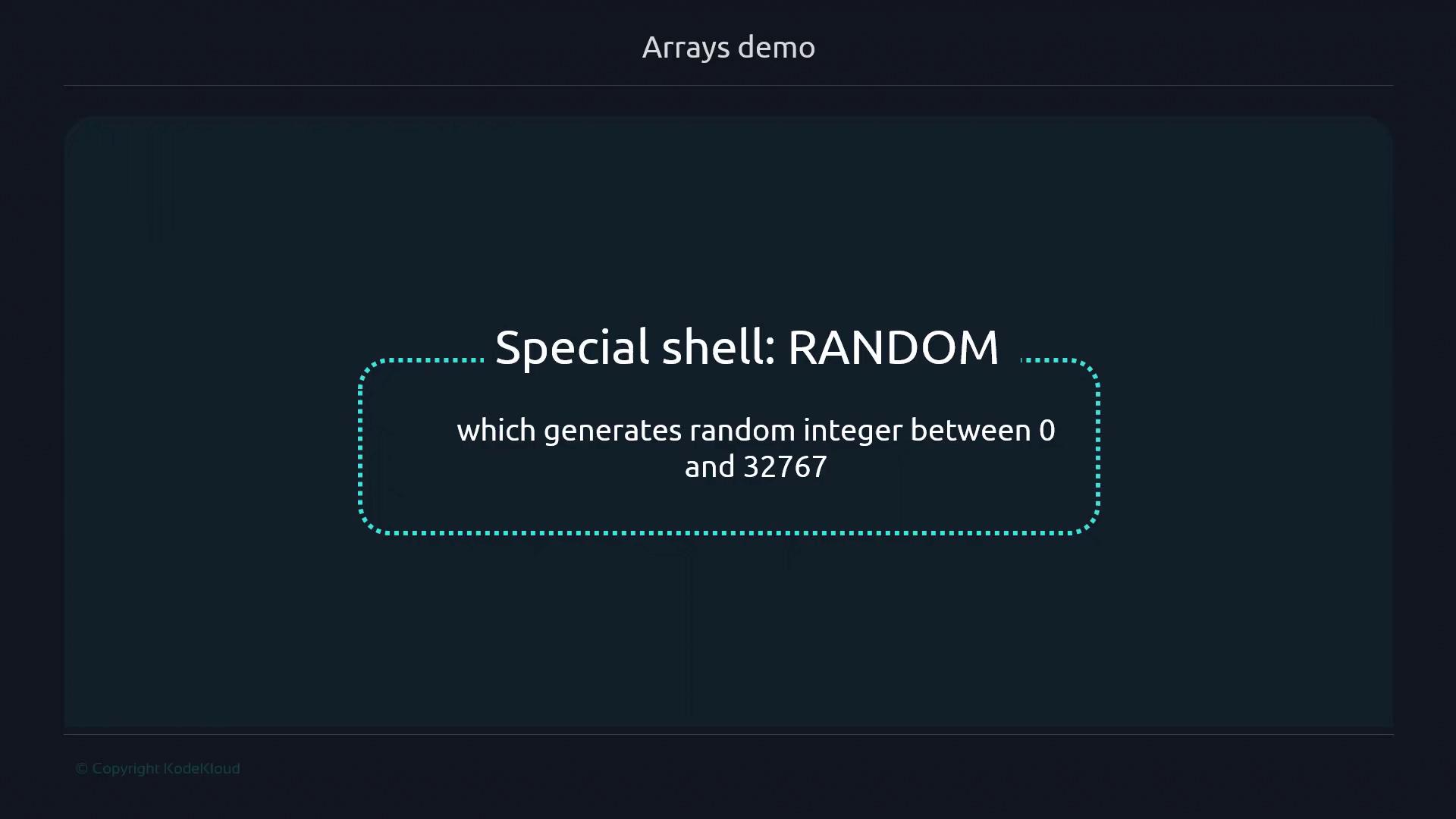
$RANDOM : Yields a pseudo-random integer between 0 and 32767.
Exit Code Reference Exit Code Condition 150 (FILE_NOT_FOUND) food_places.txt is missing180 (NO_OPTIONS_LEFT) No entries remain in food_places.txt
1. Prepare the Data File Create food_places.txt with initial entries:
cat << EOF > food_places.txt Ramen Sushi Tacos Dal makhani EOF
2. Initialize the Script Create lunch_selector.sh:
#!/usr/bin/env bash declare -a lunch_options # Determine script directory work_dir = $( dirname "$( readlink -f " ${0} ")" ) food_places = "${ work_dir }/food_places.txt" # Exit codes readonly FILE_NOT_FOUND = 150 readonly NO_OPTIONS_LEFT = 180 terminate () { local msg = " $1 " local code = " ${2 :- $FILE_NOT_FOUND } " echo " $msg " >&2 exit " $code " } # Guard clause if [[ ! -f " $food_places " ]]; then terminate "Error: food_places.txt file doesn't exist" " $FILE_NOT_FOUND " fi
3. Load and Validate the Array Populate lunch_options and ensure it’s not empty:
fillout_array () { mapfile -t lunch_options < " $food_places " if [[ ${ # lunch_options [ @ ]} -eq 0 ]]; then terminate "Error: No food options left. Please add options to food_places.txt" " $NO_OPTIONS_LEFT " fi } fillout_array
4. Select and Display a Random Option Choose a random index, echo it, and remove from the in-memory list:
index = $(( RANDOM % ${ # lunch_options [ @ ]} )) chosen = "${ lunch_options [ $index ]}" echo " $chosen " # Remove the selected element unset 'lunch_options[index]'
5. Persist the Updated List Write the remaining entries back to food_places.txt:
update_options () { if [[ ${ # lunch_options [ @ ]} -eq 0 ]]; then # Empty the file when no items remain : > " $food_places " else printf "%s\n" "${ lunch_options [ @ ]}" > " $food_places " fi } update_options
6. Complete Script Here’s the full lunch_selector.sh. Don’t forget to make it executable:
#!/usr/bin/env bash declare -a lunch_options work_dir = $( dirname "$( readlink -f " ${0} ")" ) food_places = "${ work_dir }/food_places.txt" readonly FILE_NOT_FOUND = 150 readonly NO_OPTIONS_LEFT = 180 terminate () { local msg = " $1 " local code = " ${2 :- $FILE_NOT_FOUND } " echo " $msg " >&2 exit " $code " } if [[ ! -f " $food_places " ]]; then terminate "Error: food_places.txt file doesn't exist" " $FILE_NOT_FOUND " fi fillout_array () { mapfile -t lunch_options < " $food_places " if [[ ${ # lunch_options [ @ ]} -eq 0 ]]; then terminate "Error: No food options left. Please add options to food_places.txt" " $NO_OPTIONS_LEFT " fi } fillout_array index = $(( RANDOM % ${ # lunch_options [ @ ]} )) chosen = "${ lunch_options [ $index ]}" echo " $chosen " unset 'lunch_options[index]' update_options () { if [[ ${ # lunch_options [ @ ]} -eq 0 ]]; then : > " $food_places " else printf "%s\n" "${ lunch_options [ @ ]}" > " $food_places " fi } update_options
Make it executable and run:
chmod +x lunch_selector.sh ./lunch_selector.sh
Each run prints a random, non-repeating lunch spot until the list is empty.
References