

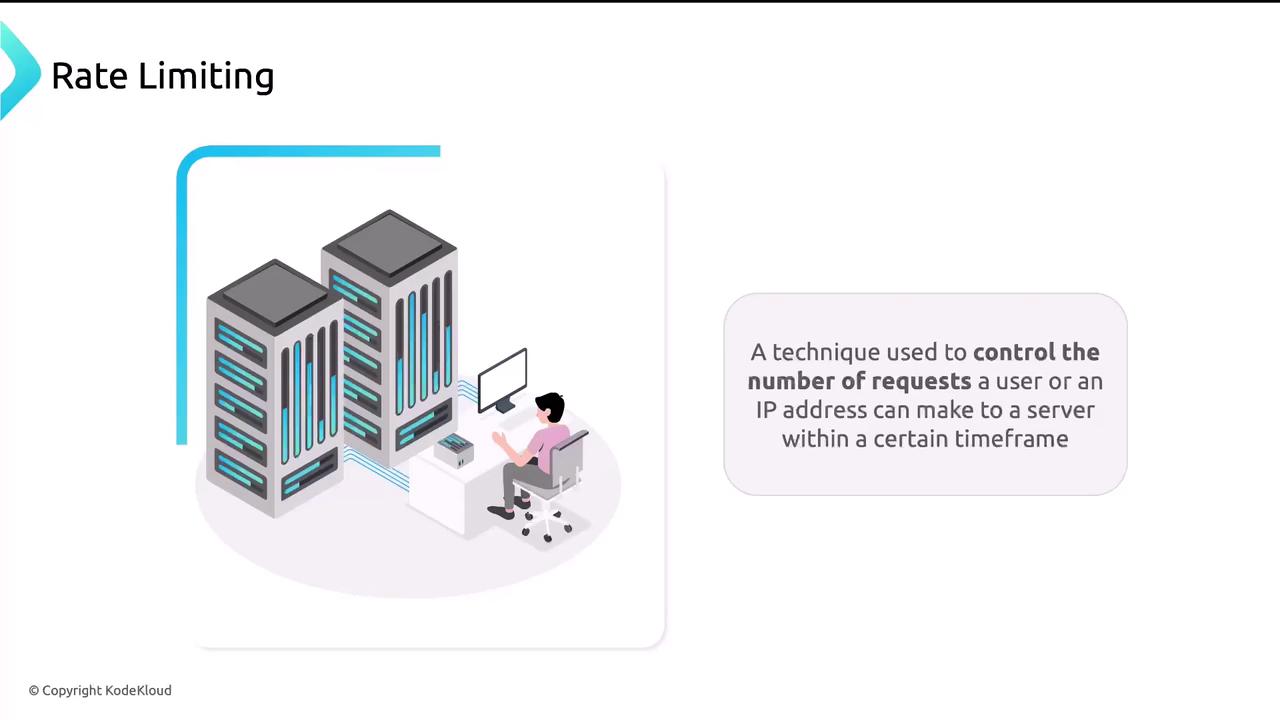
What Is Rate Limiting?
Imagine you’re driving in a 100 km/h zone at 90 km/h—well under the limit—while another car speeds past at 130 km/h.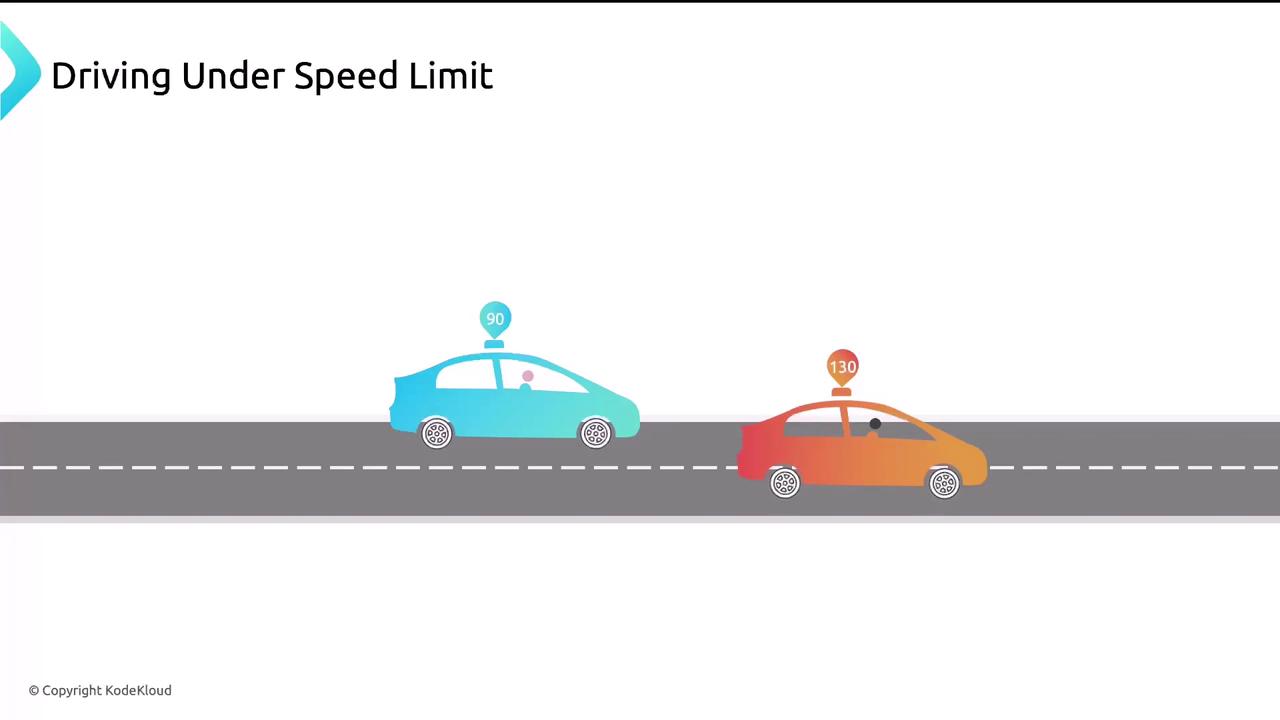
Why Rate Limiting Matters
- Protects against DDoS (Distributed Denial of Service)
- Thwarts brute-force password guessing
- Prevents large-scale web scraping
- Controls API abuse for endpoints like social networks
Brute-Force Attacks
Automated scripts try credentials repeatedly—targeting login pages until they succeed.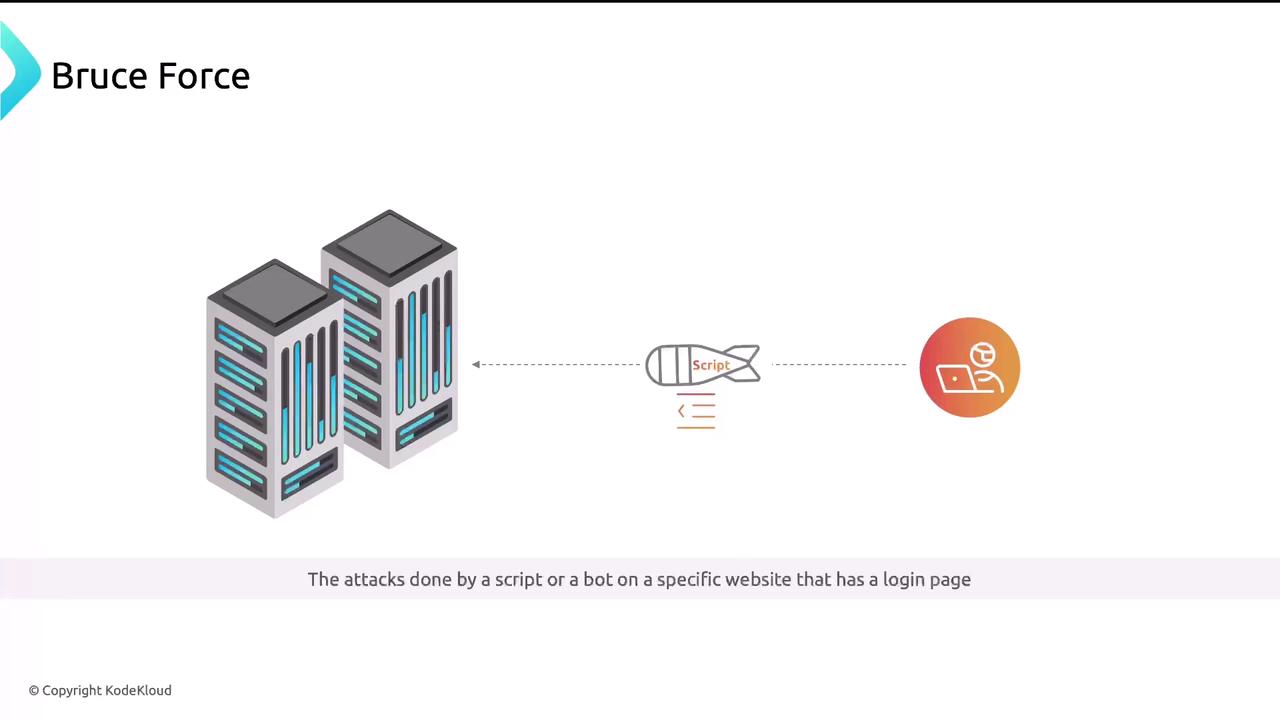
Web Scraping
Scripts extract valuable data from sites (e.g., copying car listings from Autotrader).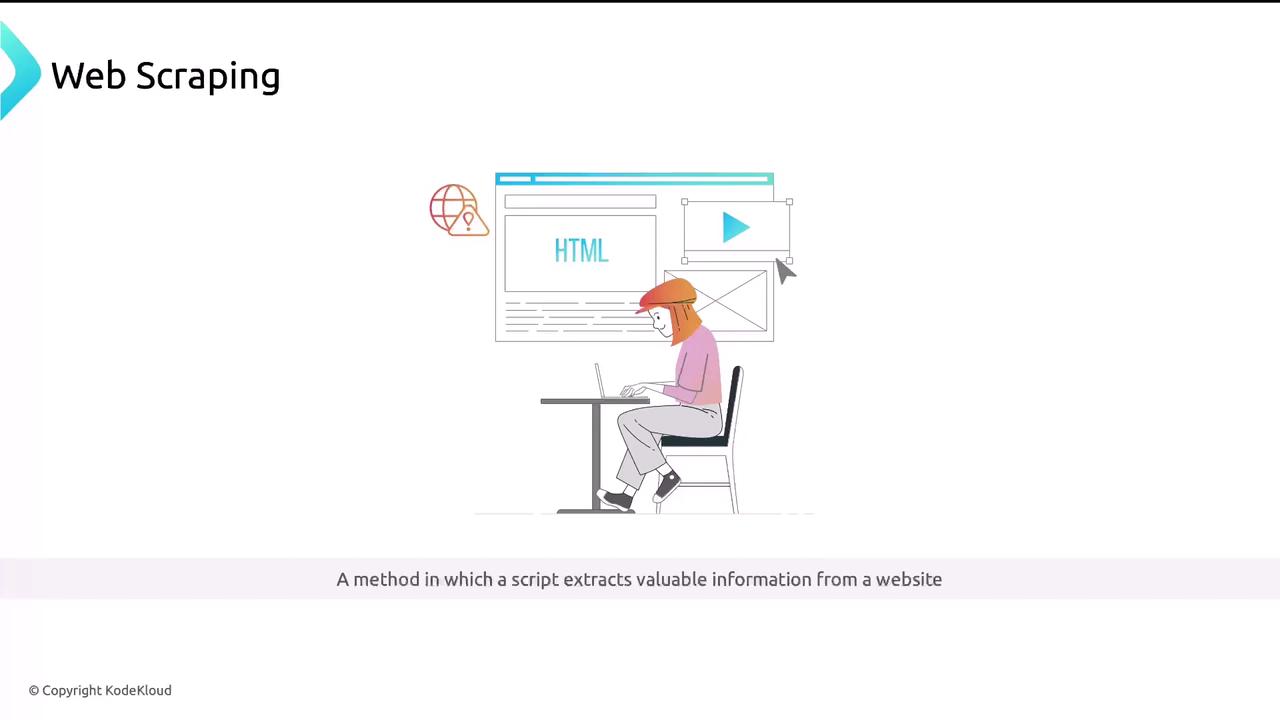
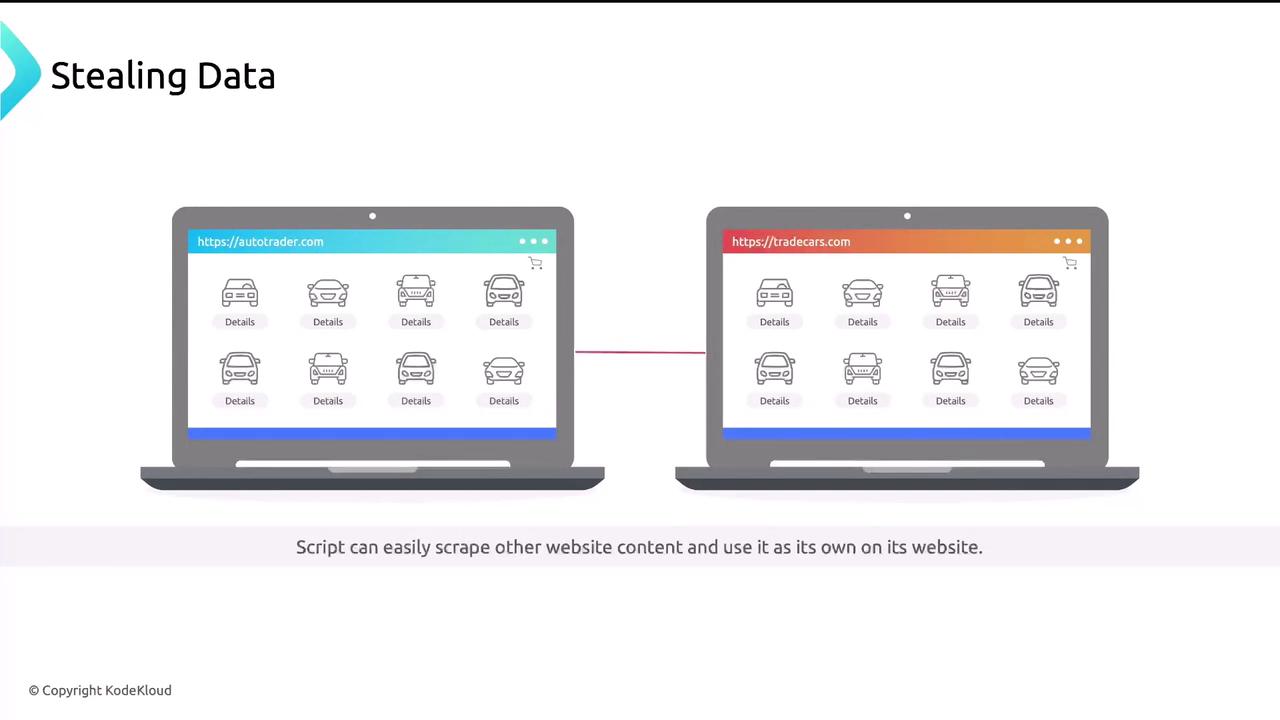
API Overuse
Endpoints (like Instagram’s post, like, follow, DM APIs) must limit calls to stay responsive.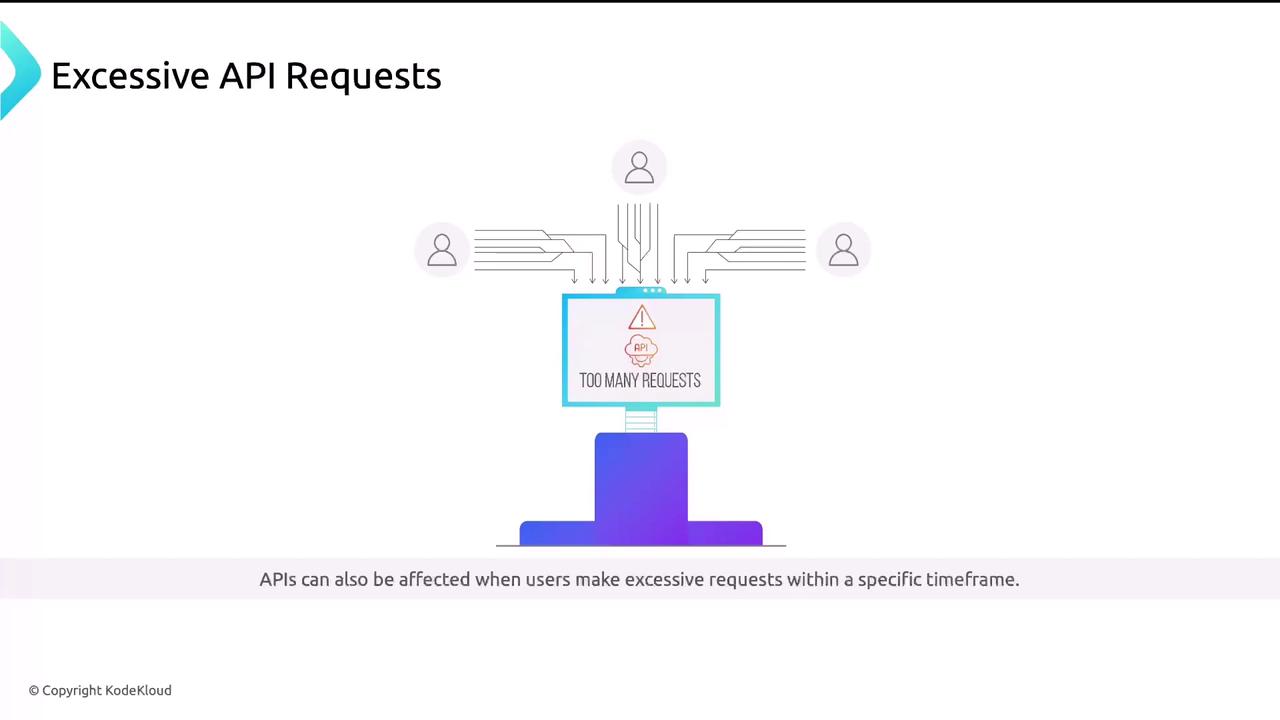

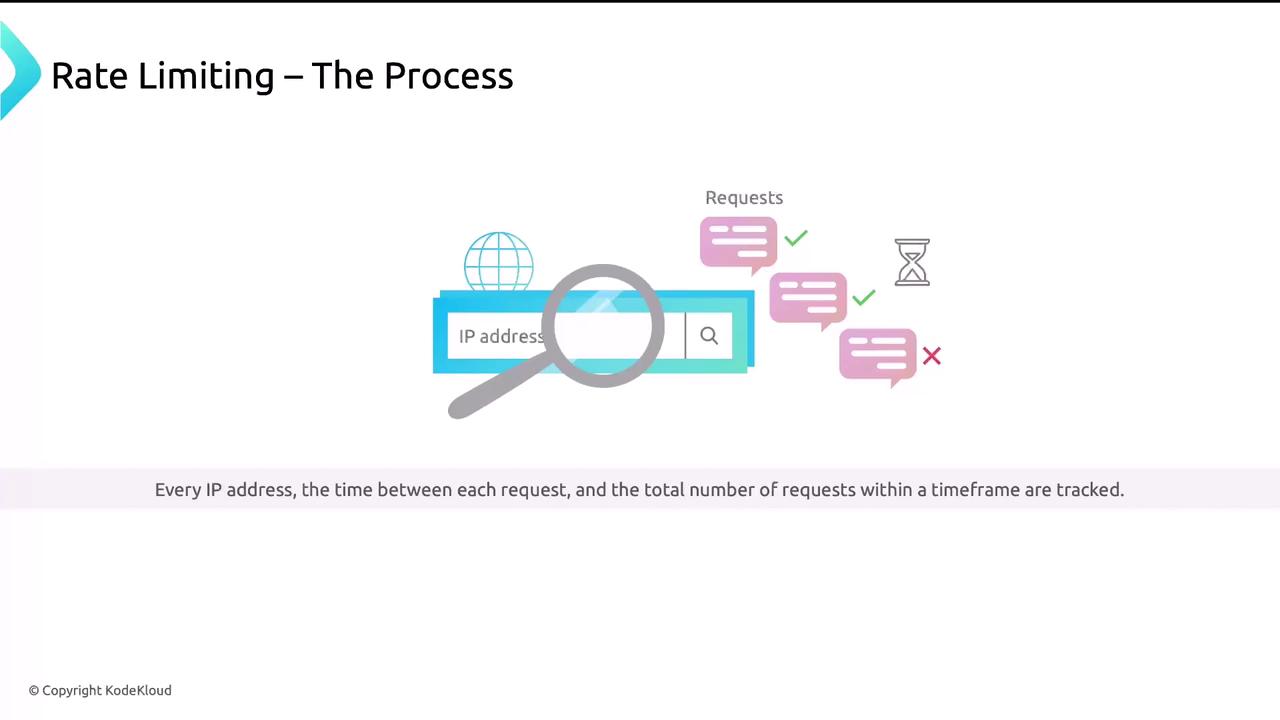
- Client IP address
- Interval between requests
- Total requests within a time window
NGINX Rate Limiting Methods
NGINX provides two core rate-limiting mechanisms:| Method | Purpose | Core Directives |
|---|---|---|
| Request rate limiting | Limit requests per time interval | limit_req_zone, limit_req |
| Connection rate limiting | Limit simultaneous connections per IP | limit_conn_zone, limit_conn |
1. Request Rate Limiting
Implements a token bucket algorithm, allowing a defined number of requests per time unit. Excess requests get delayed or rejected with HTTP 429.Adjust the
rate parameter to r/s, r/m, or r/h depending on expected traffic.http context:
server block:
2. Connection Rate Limiting
Restricts the number of concurrent connections per client IP—ideal against SYN floods or slow-loris style attacks.Ensure the shared memory zone size (e.g.,
10m) is sufficient for the number of tracked IPs to avoid performance issues.http context:
server block:
2) to allow more parallel connections.
Implement these NGINX configurations to safeguard your web server against abuse and ensure consistent performance under load.