Key Principles of Effective Leadership
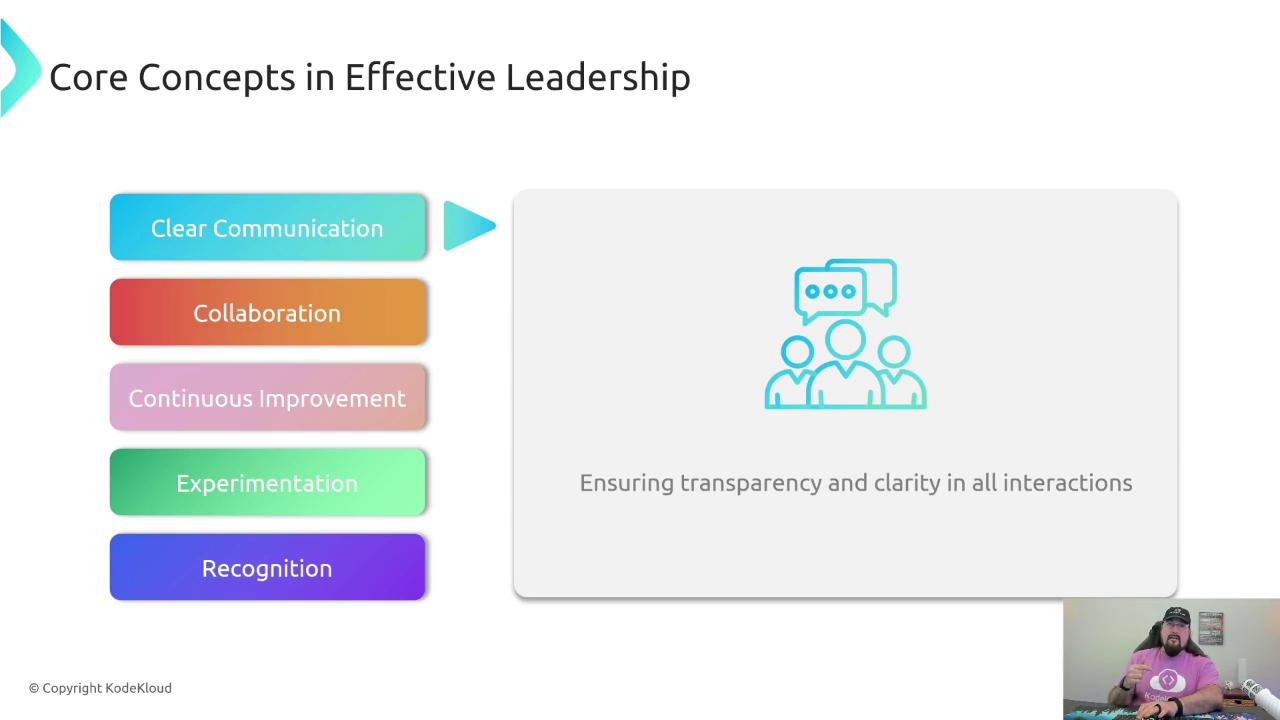
Below are the five pillars every DevOps leader should champion:| Principle | Benefit |
|---|---|
| Clear Communication | Aligns vision and reduces confusion |
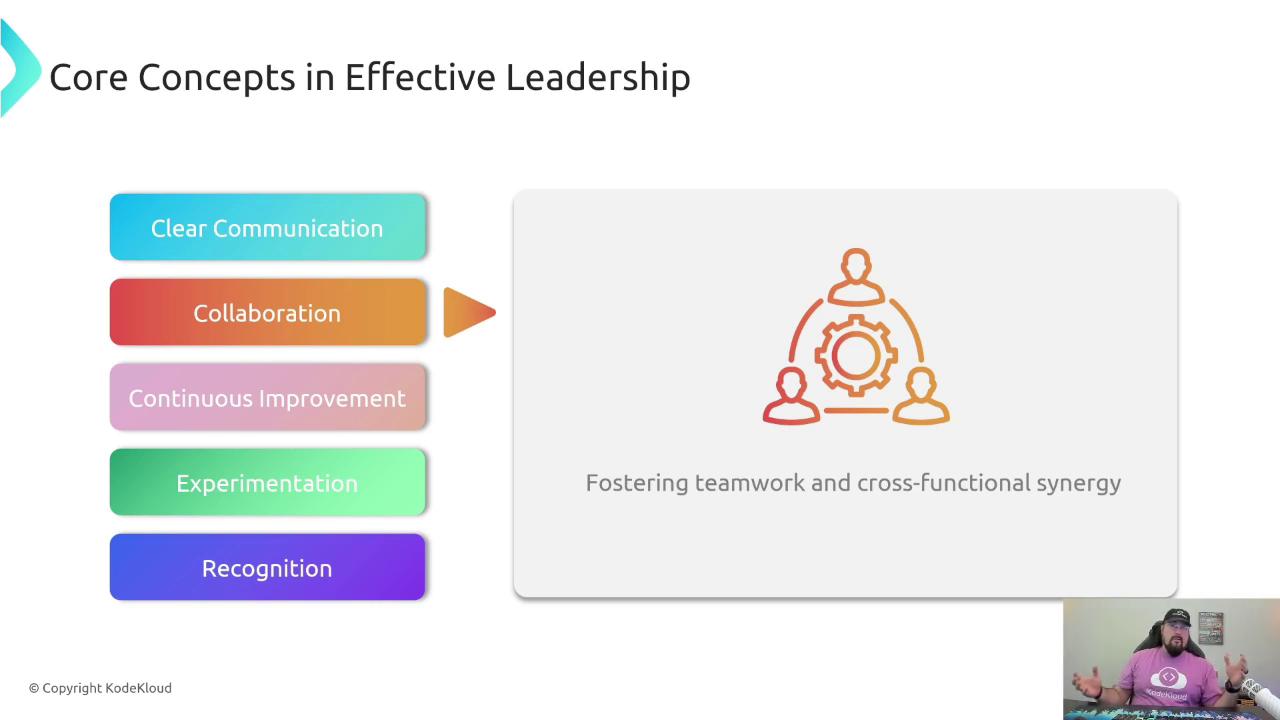
| Collaboration | Breaks down silos and builds shared context |
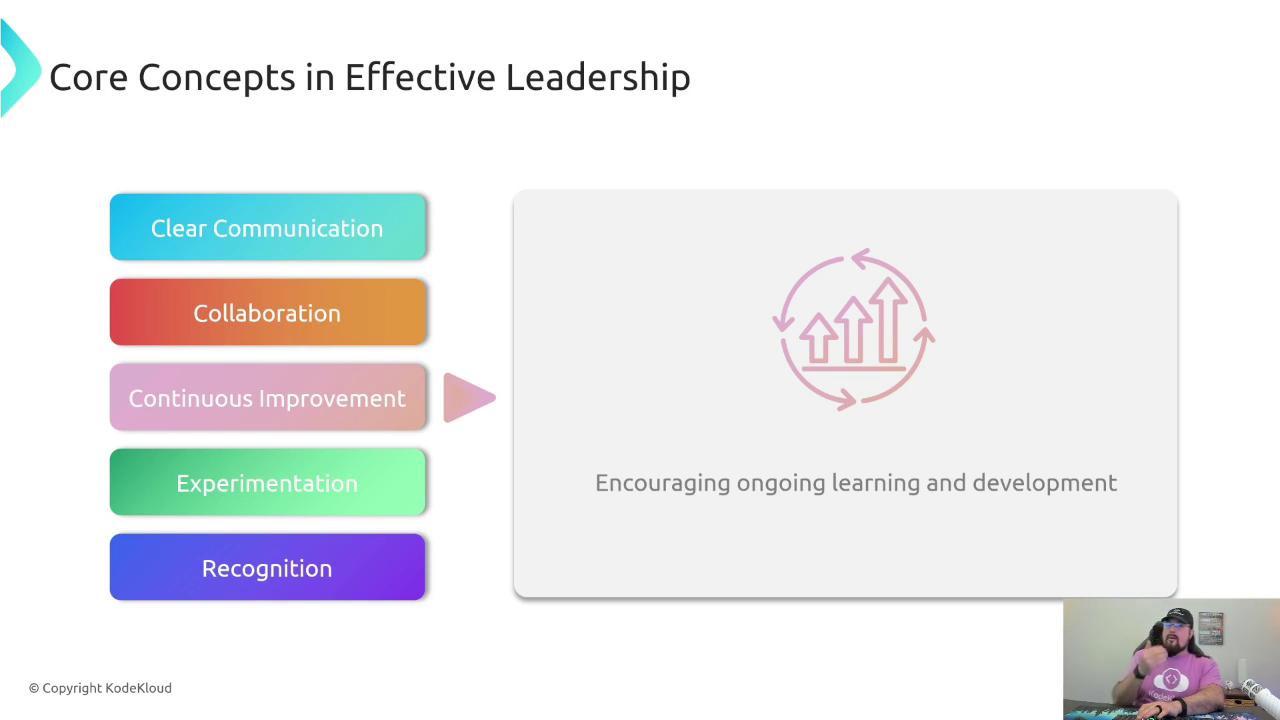
| Continuous Improvement | Keeps skills current and drives innovation |
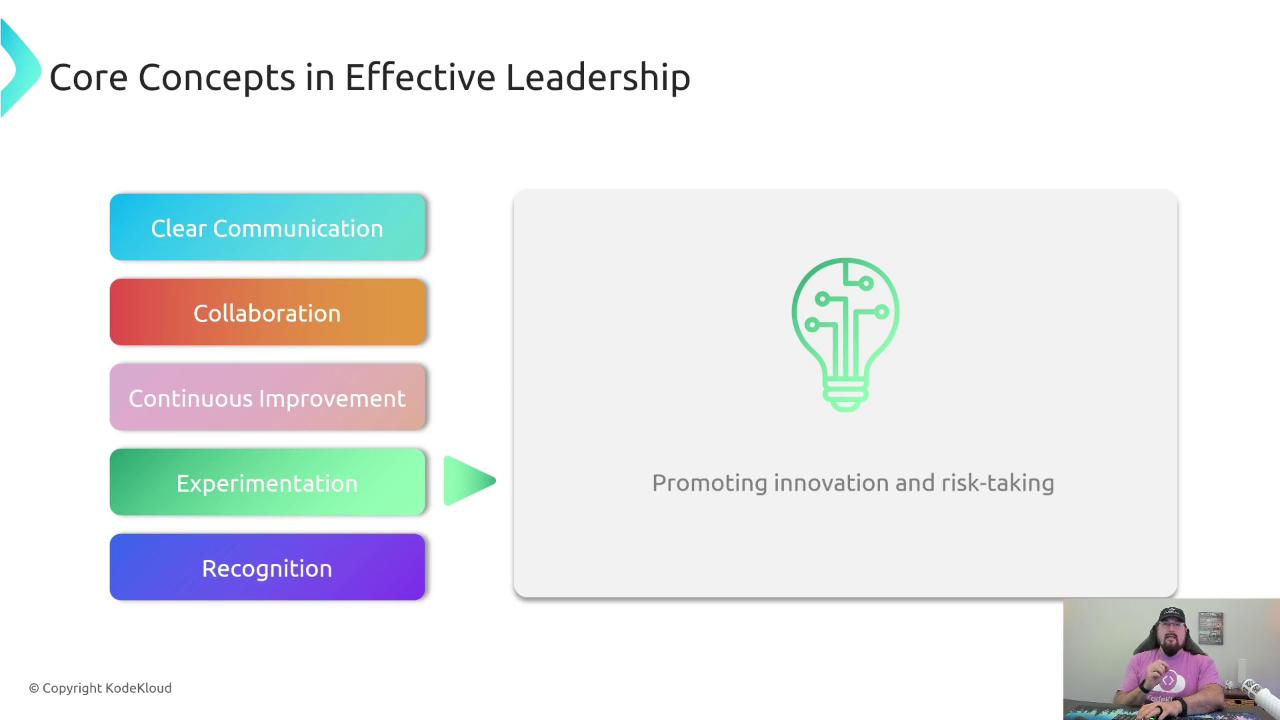
| Experimentation | Enables safe-to-fail innovation cycles |
| Recognition | Motivates teams and reinforces positive culture |
1. Clear Communication
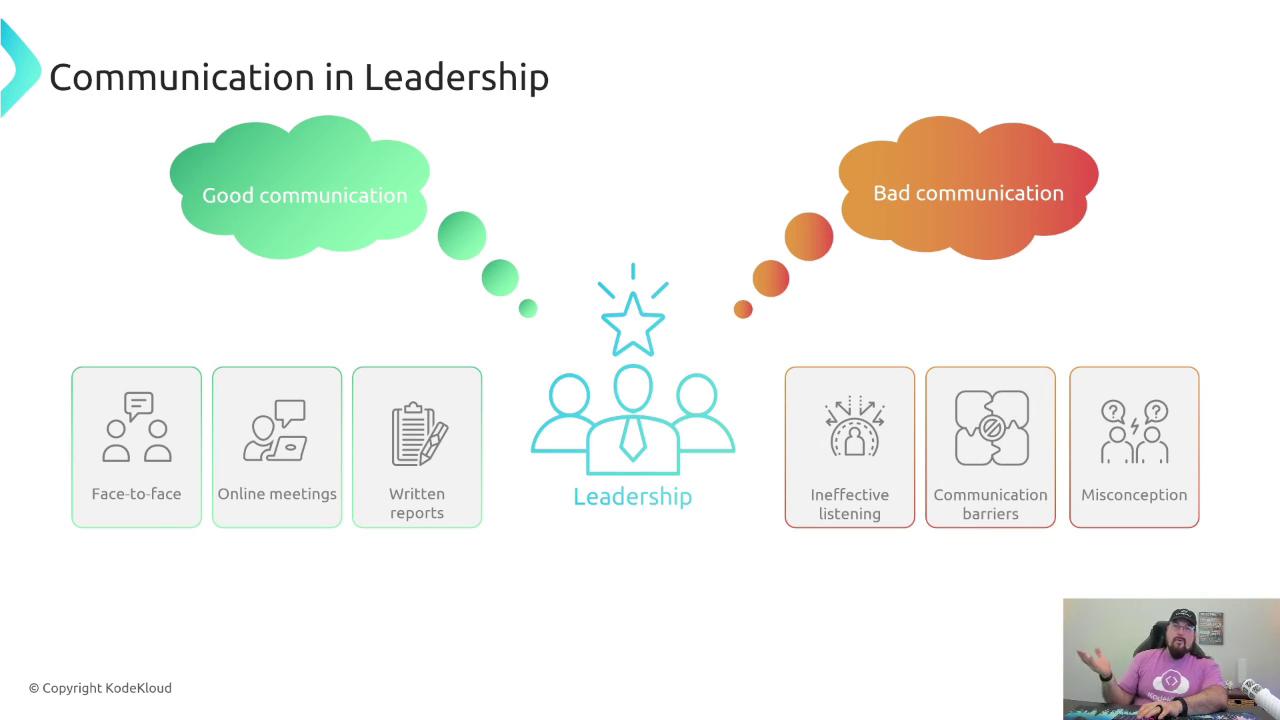
Transparent, context-rich communication keeps everyone aligned with the company’s vision, mission, strategy, and values. When teams understand why security prioritization, automation, or cloud-first practices matter, they avoid redundant work and stay motivated.- Signal intent with face-to-face conversations or video calls (camera on).
- Share concise, complete updates—instead of lengthy status meetings.
- Focus sessions on problem solving, planning, and creative exploration.
Leaders model the seven Cs of communication: completeness, conciseness, clarity, concreteness, correctness, consideration, and courtesy.
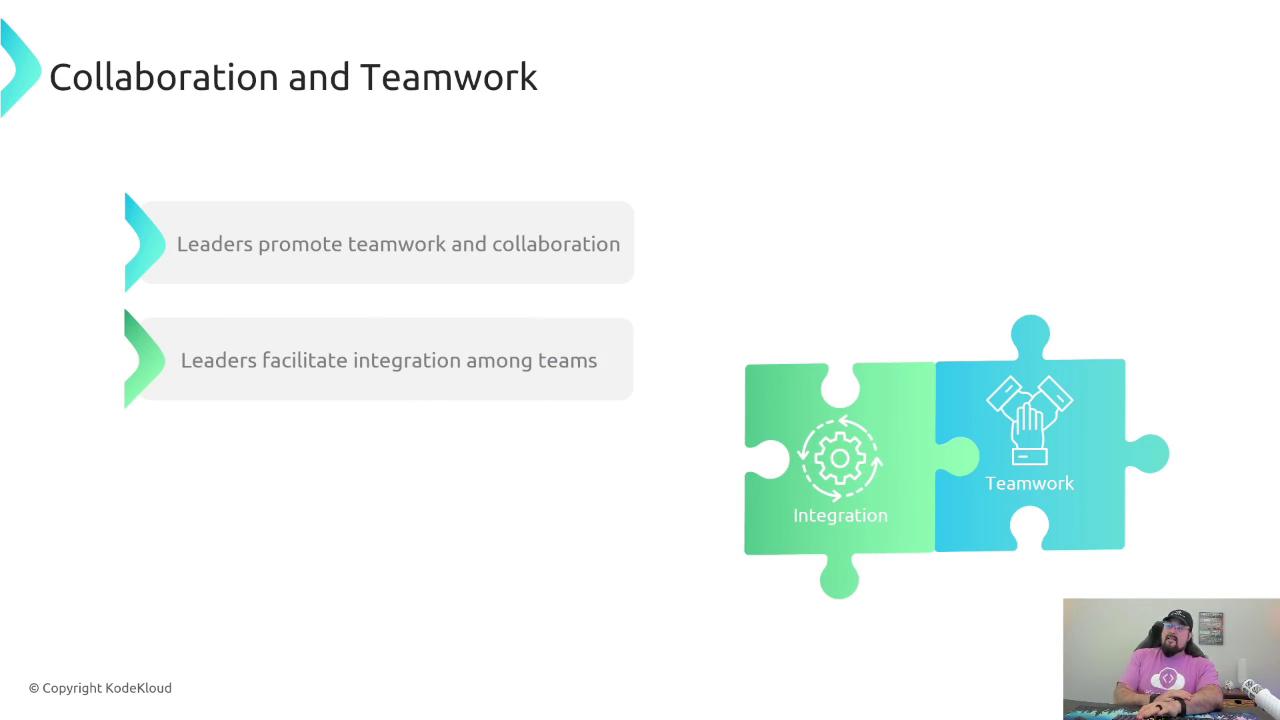
2. Collaboration and Teamwork
DevOps depends on cross-functional synergy. Developers, operations engineers, QA specialists, and DBAs must integrate seamlessly to deliver end-to-end value—be it a feature release, a new service, or a resilient CI/CD pipeline.- Protect stable team membership—minimize ad-hoc rotations.
- Facilitate shared context with transparent dashboards and documentation.
- Break down silos by aligning incentives and goals.
3. Continuous Improvement and Learning
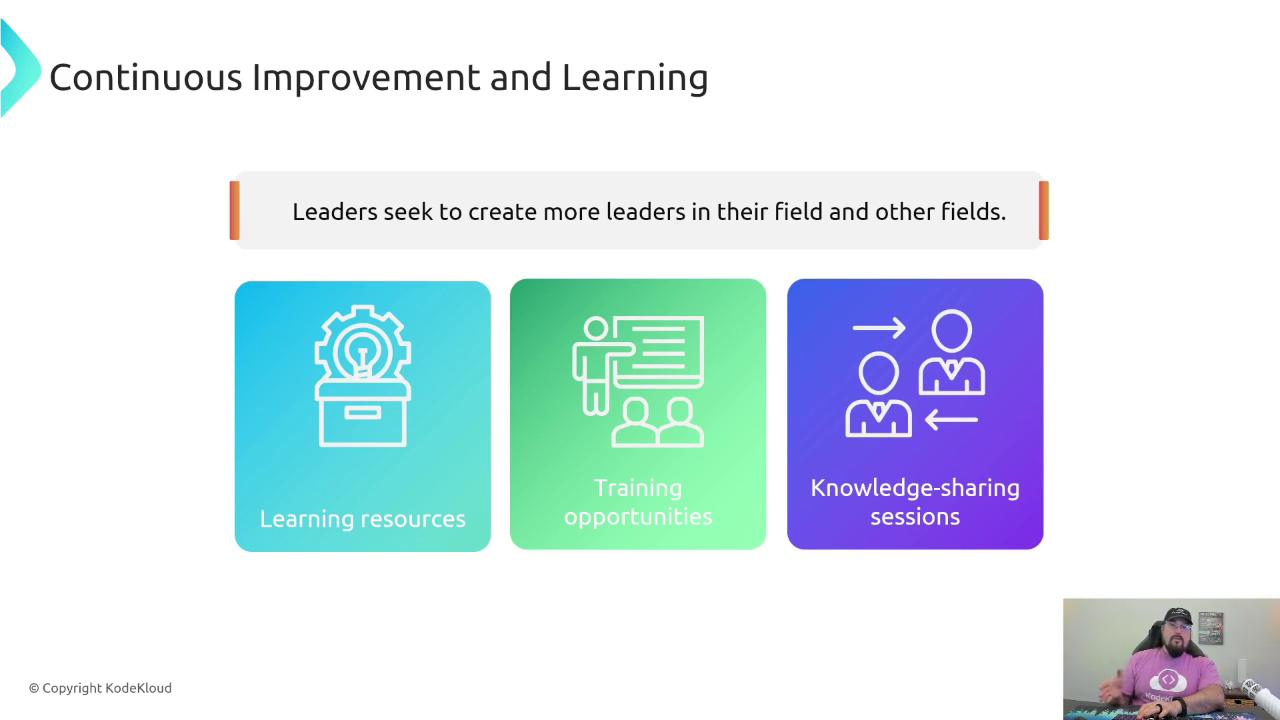
Technology evolves rapidly. Leaders must foster an environment of perpetual growth:- Provide curated learning resources: books, online courses.
- Sponsor certifications and hands-on workshops.
- Host knowledge-sharing sessions and mentorship programs.
4. Experimentation
Innovation thrives in a safe-to-fail culture. Encourage teams to test new tools and approaches with controlled risk:- Scope experiments and assess potential impact.
- Celebrate “failing forward”—each setback is a learning milestone.
- Focus on system improvements, not assigning individual blame.
Avoid blame in your retrospectives. Conduct blameless post-mortems and concentrate on root causes and process adjustments.
5. Recognition
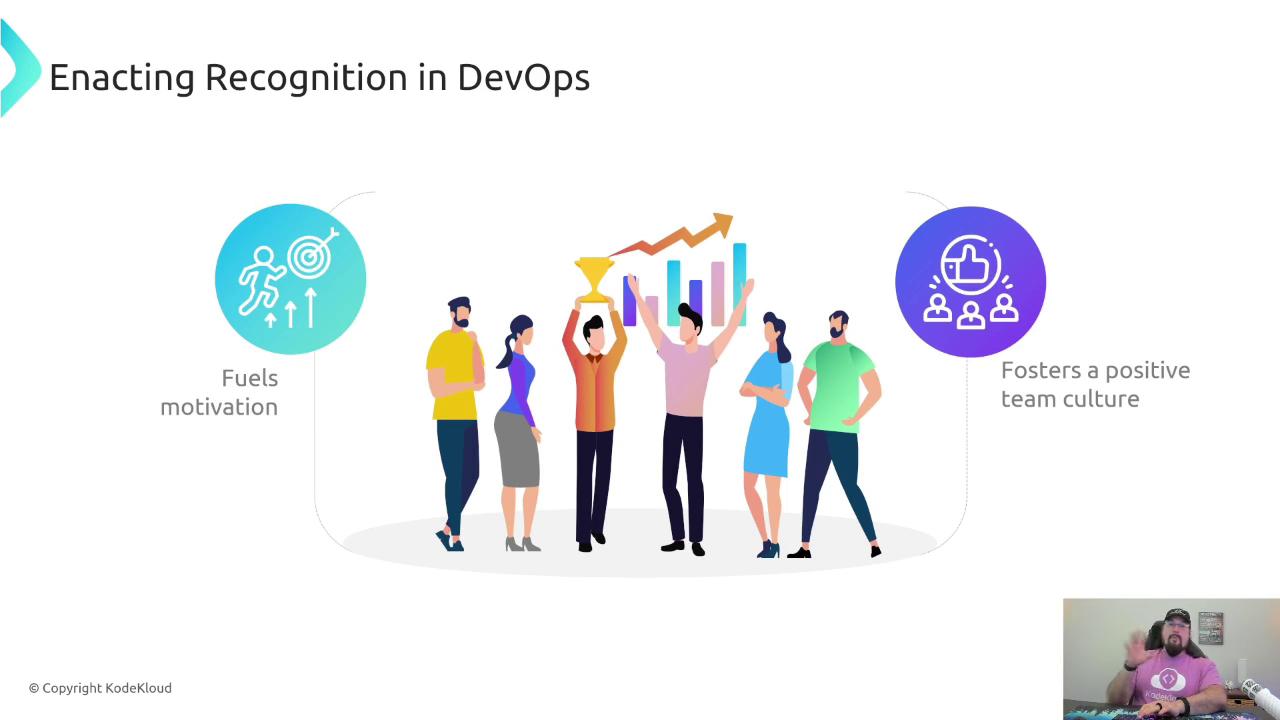
Acknowledging effort fuels motivation and loyalty:- Highlight team wins: solution launches, uptime milestones.
- Reward extraordinary effort: late-night firefights, creative problem solving.
- Celebrate behaviors that reflect company values.
Empowering DevOps Teams
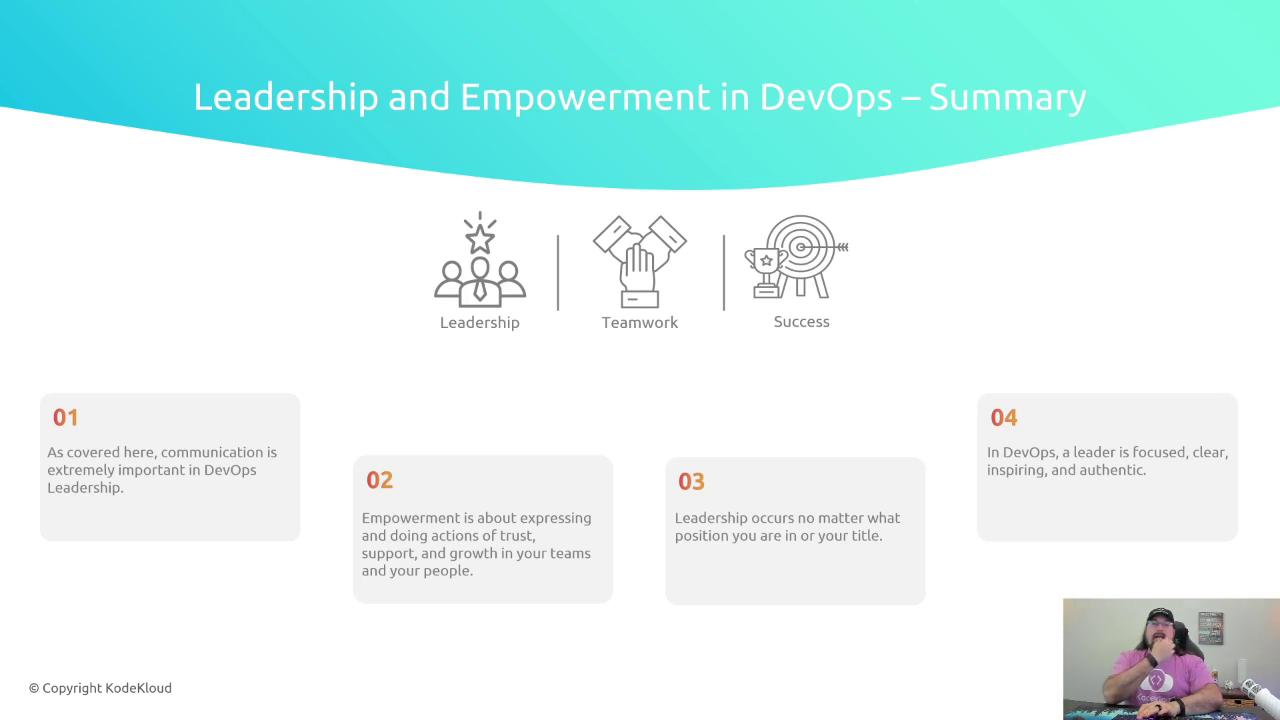
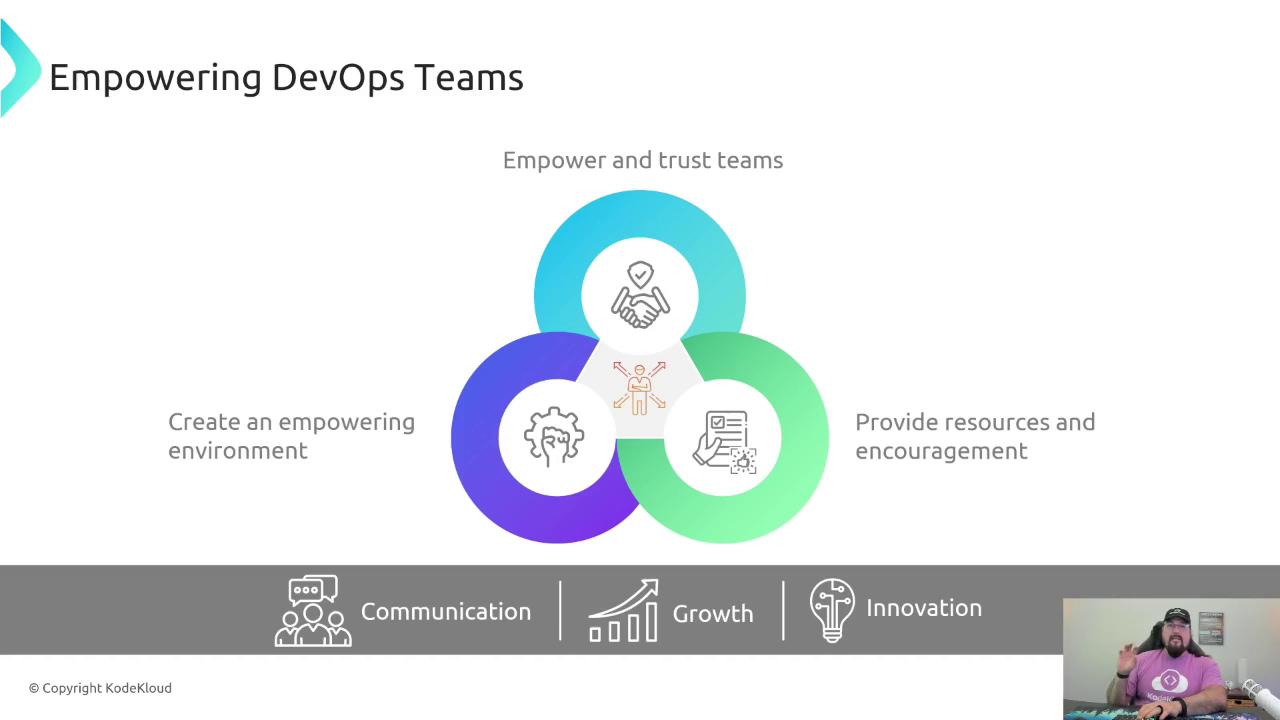
True DevOps leadership empowers teams to deliver value autonomously, consistently, and creatively. This requires trust, clear feedback loops, and the right level of authority.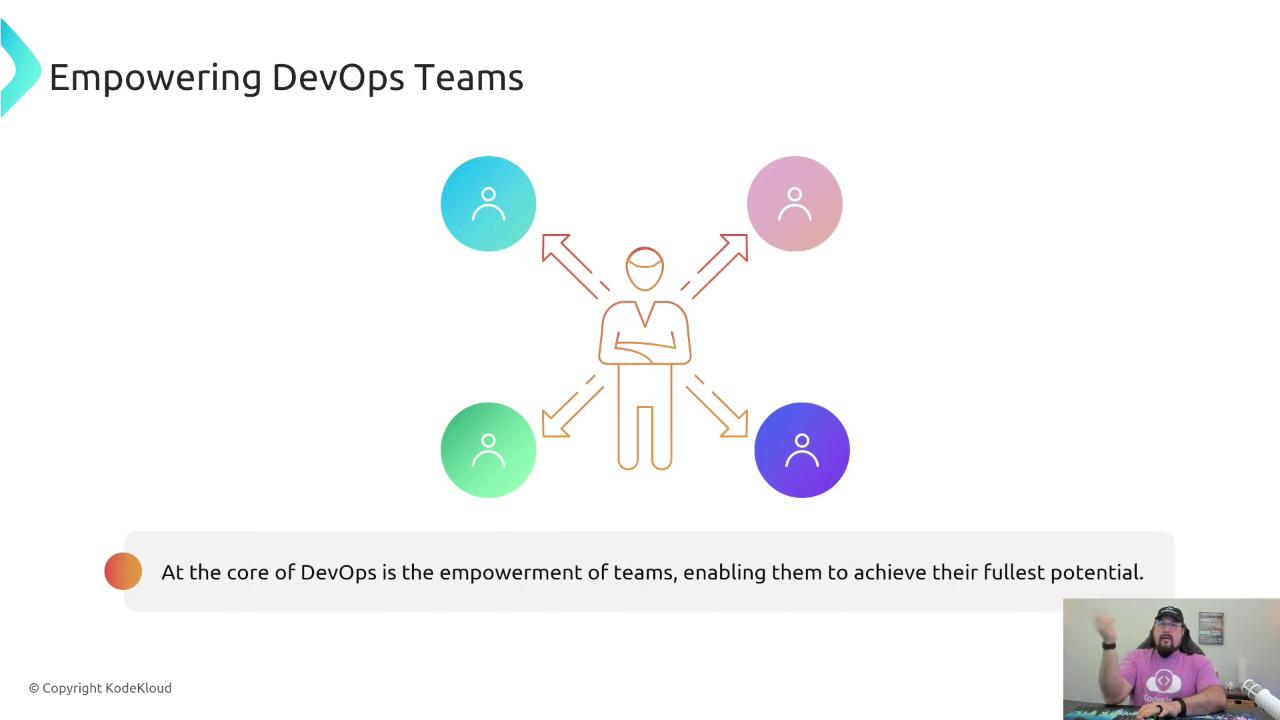
- Grant decision-making authority and autonomy.
- Create meaningful work that aligns with individual strengths.
- Offer resources, encouragement, and timely feedback.
Summary
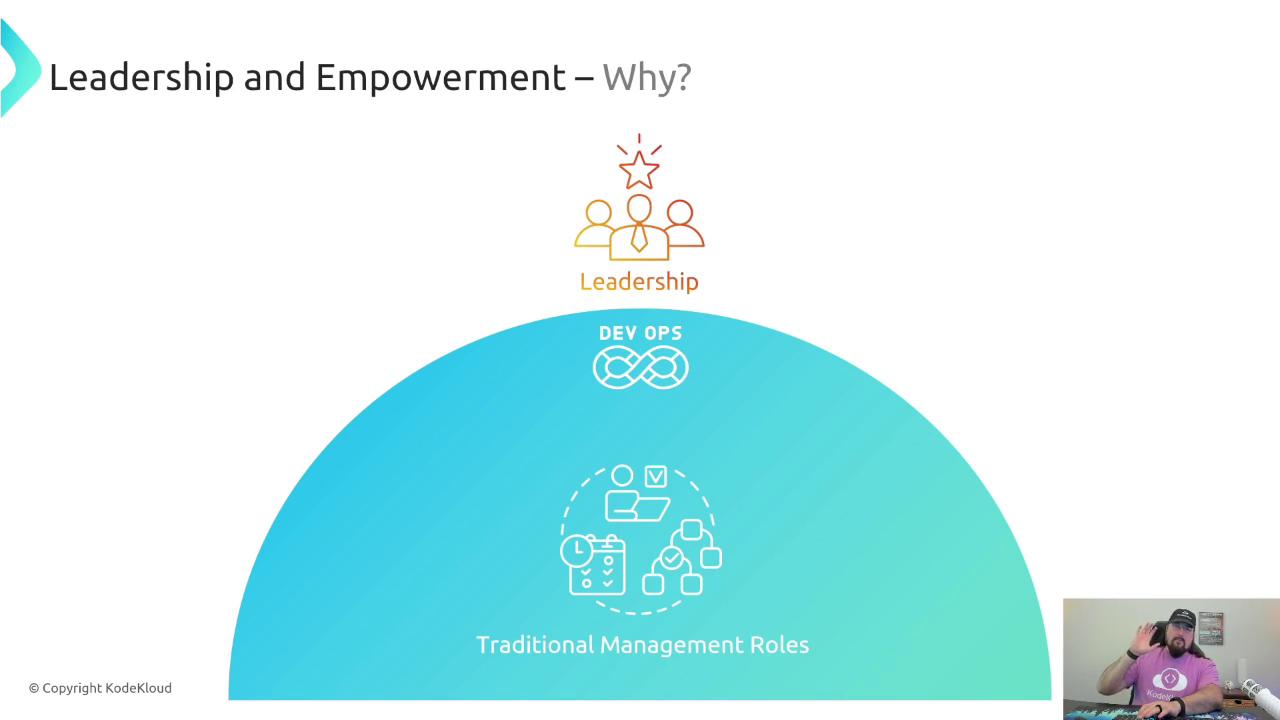
Leadership in DevOps isn’t a title—it’s a mindset. Whether you’re an individual contributor, team lead, or executive, champion these practices:- Clear, transparent communication for alignment
- Collaboration across functional boundaries
- Continuous improvement and learning
- Experimentation with a safe-to-fail mindset
- Recognition of effort and values