1. Apply the Seven C’s of Communication
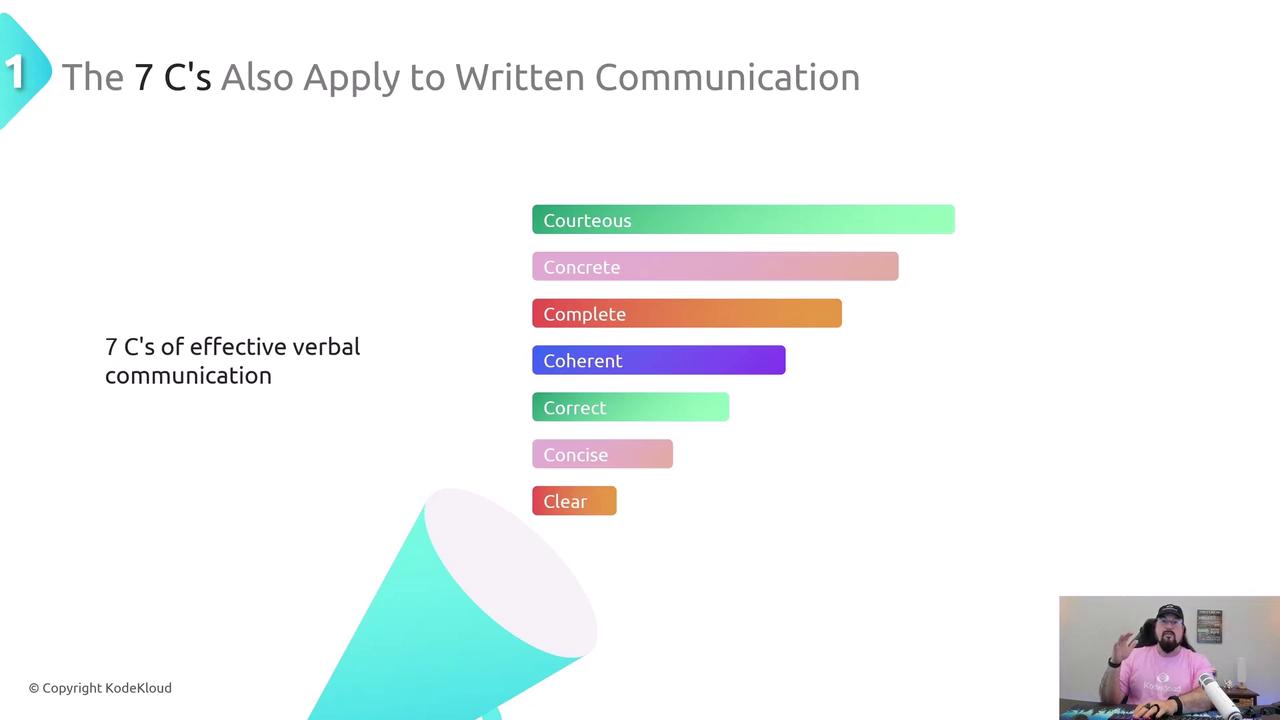
Effective writing mirrors strong verbal skills. Use the Seven C’s—Clear, Concise, Correct, Coherent, Complete, Concrete, and Courteous—to ensure your messages resonate:- Clear: Is the purpose obvious at first glance?
- Concise: Have you removed filler without losing meaning?
- Correct: Are your facts accurate and grammar flawless?
- Coherent: Does each sentence flow logically?
- Complete: Have you answered all key questions?
- Concrete: Did you include specific examples or data?
- Courteous: Is your tone respectful and inclusive?
Many modern editors and AI writing assistants can flag issues aligned with the Seven C’s in real time.
2. Tailor Your Message to the Platform
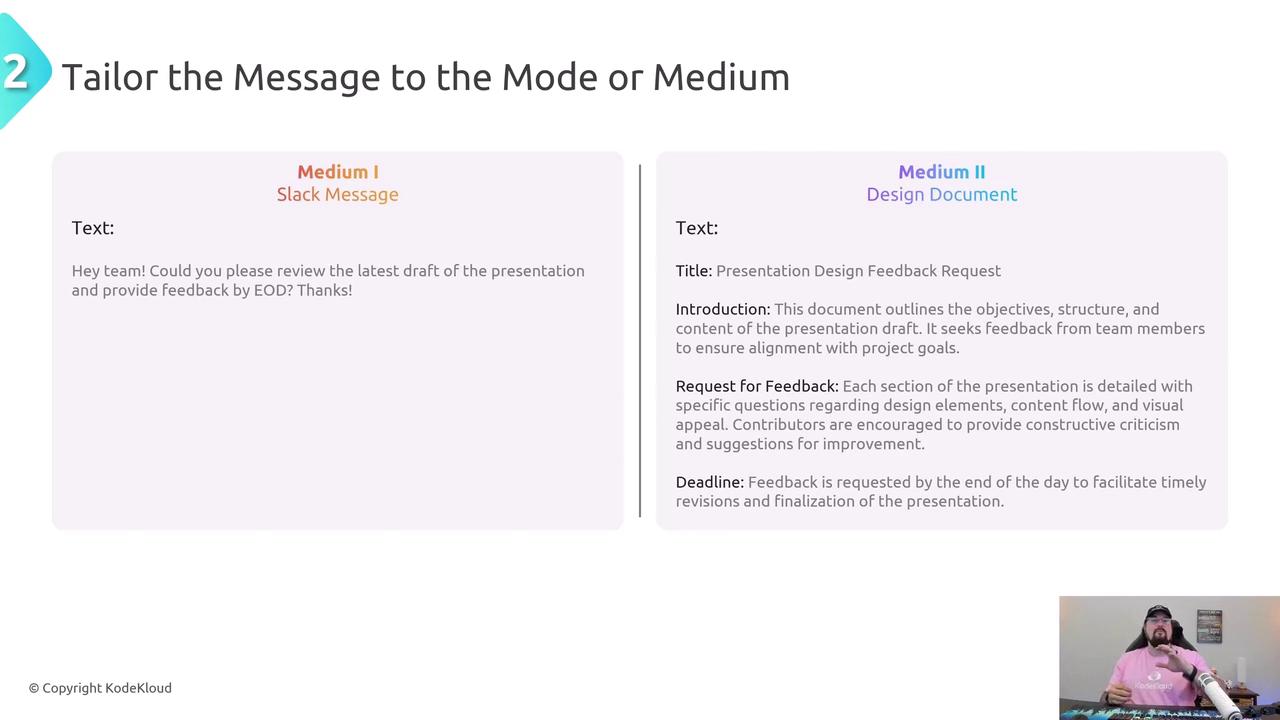
Each channel has its own best practices. Match your style to the medium:| Channel | Tone | Length |
|---|---|---|
| Slack / Instant Messaging | Informal | Brief, action-focused |
| Design Documents | Formal | Detailed, structured |
| Emails / Web Content | Neutral | Concise to moderate |
| Text Messages | Casual | Very short updates |
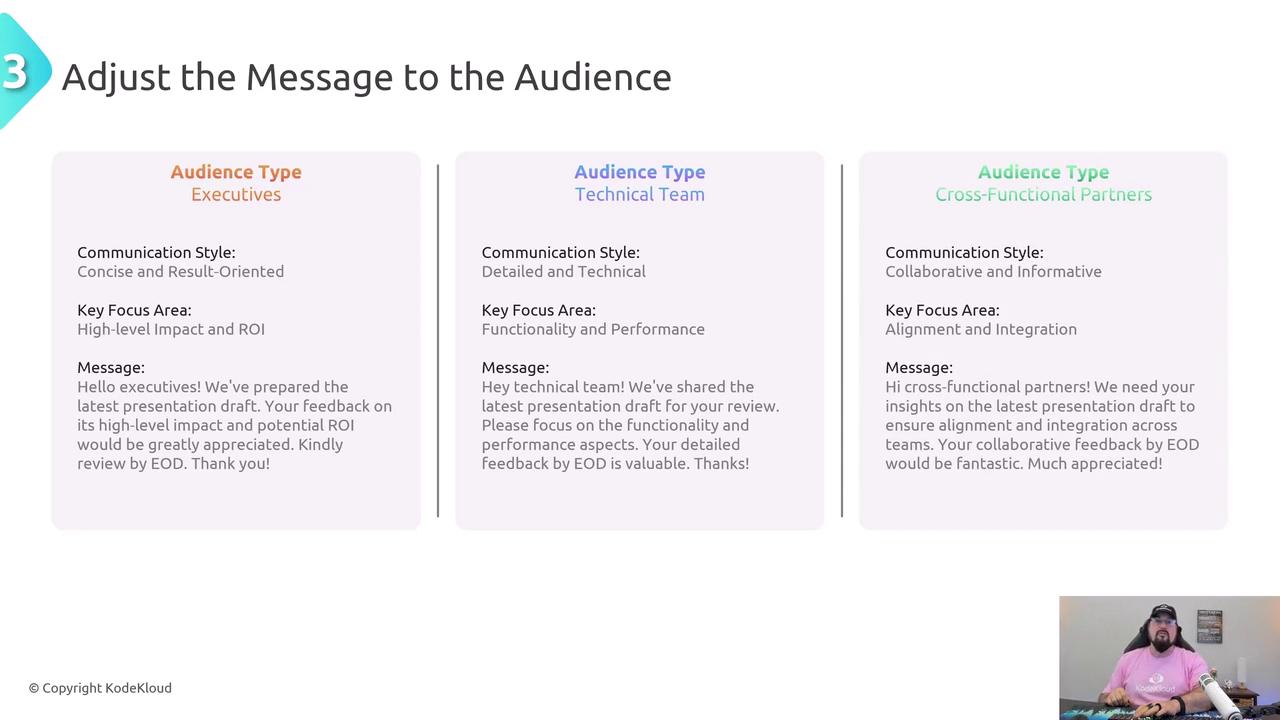
3. Adjust the Message to the Audience
Identify your audience’s needs and technical background:- Executives: Focus on outcomes, KPIs, and business impact.
- Technical Teams: Provide architecture diagrams, code snippets, and metrics.
- Cross-Functional Partners: Blend technical context with high-level summaries and rationale.
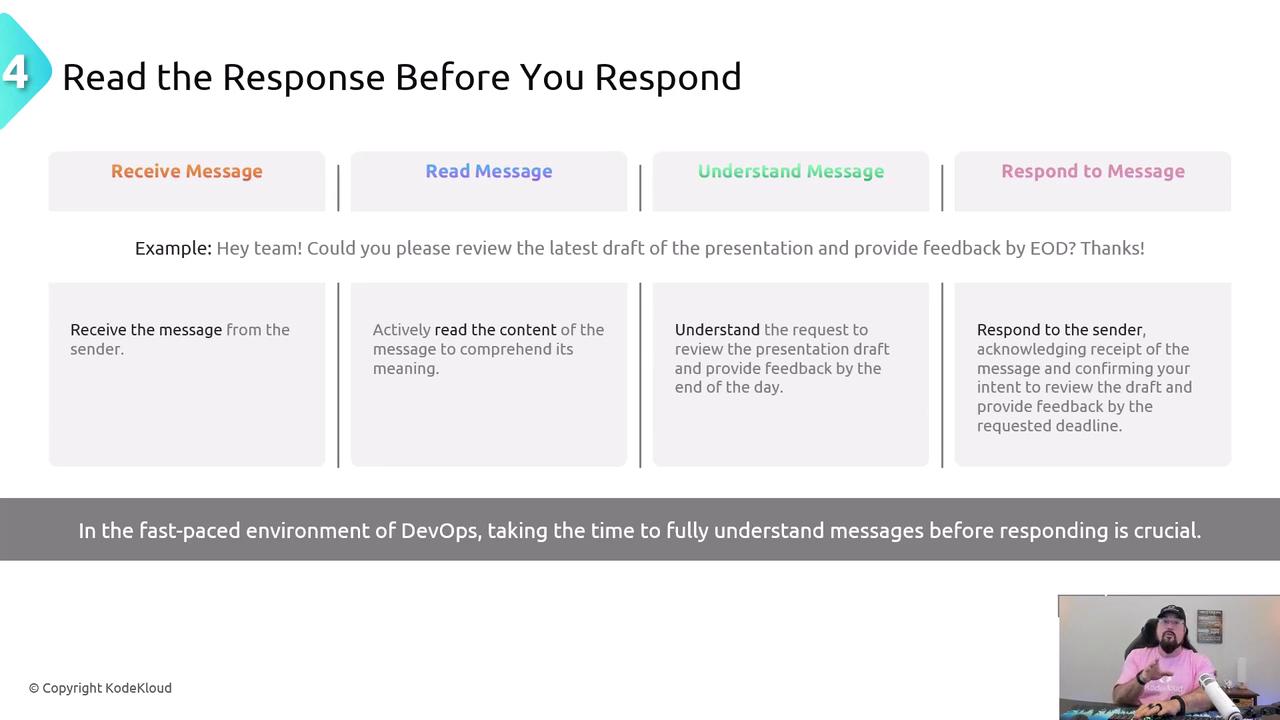
4. Read Before You Respond
Rushing replies can lead to misunderstandings. Adopt this four-step routine:- Receive the message or alert.
- Read it fully—avoid skimming.
- Understand the request, error, or context.
- Respond thoughtfully, clarifying assumptions and deadlines as needed.
5. Proofread Your Writing
Avoid preventable errors by reviewing every document:- Spelling and punctuation
- Grammar and syntax
- Tone and style (Seven C’s checklist)
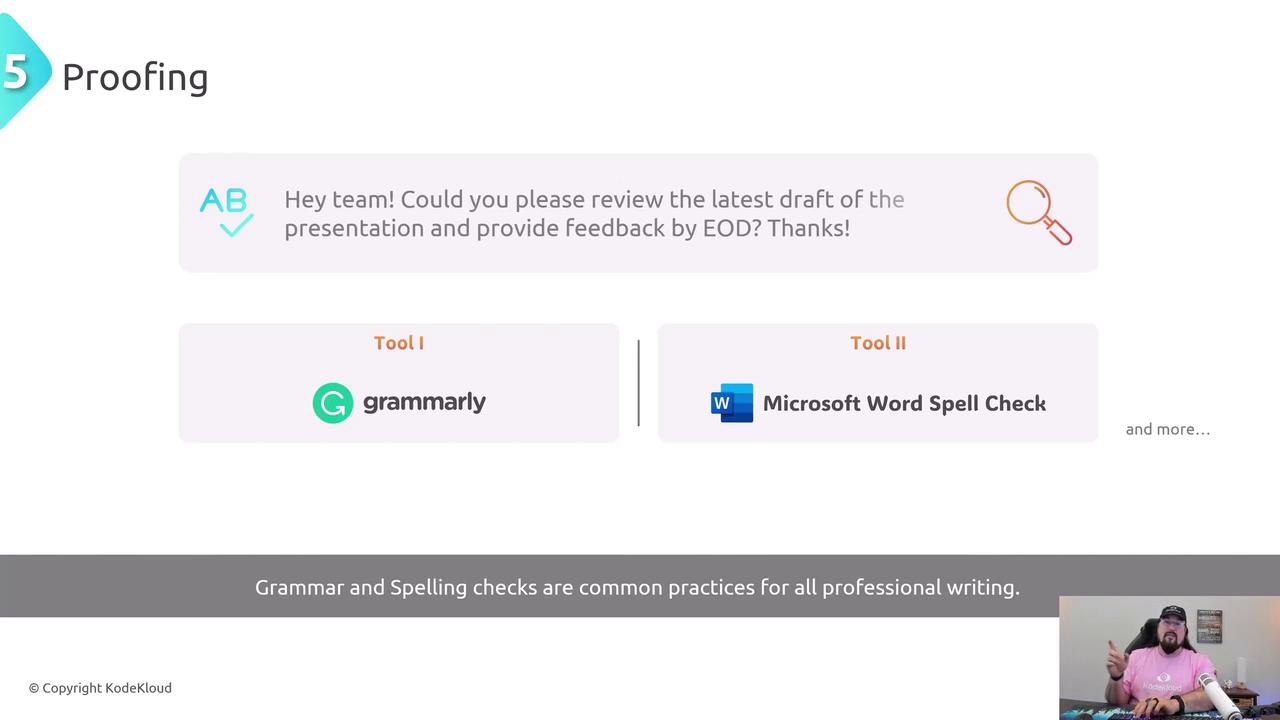
Skipping proofreading can damage credibility. Use tools like Grammarly or the built-in editor in Microsoft Word before sharing.
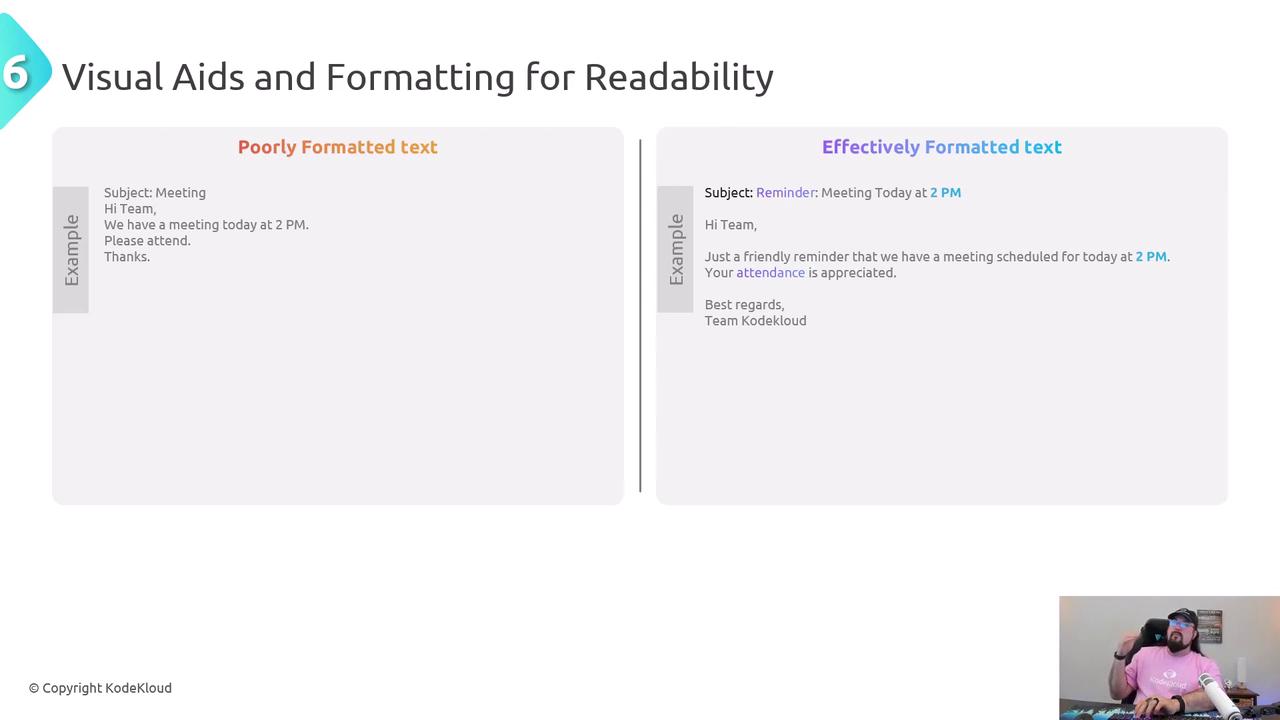
6. Use Visual Aids and Formatting for Readability
A well-formatted document guides readers:- Headings and subheadings
- Bullet lists and numbered steps
- Bold or italic text for emphasis
- Tables for structured data
- Diagrams or screenshots for complex concepts
Summary
In DevOps, polished written communication ensures smooth collaboration and reduces friction across global teams. Key takeaways:- Apply the Seven C’s for clarity and impact
- Select the appropriate platform and style
- Adapt content to your audience’s needs
- Read thoroughly before replying
- Proofread to eliminate errors
- Enhance readability with formatting and visuals