

Applications of PyTorch
PyTorch is widely applied in various machine learning domains. Its strength in deep learning is evident in the construction of convolutional neural networks (CNNs) and recurrent neural networks (RNNs). Furthermore, PyTorch is highly effective for natural language processing tasks—such as machine translation, sentiment analysis, and language generation—as well as for computer vision tasks including image classification, object detection, and image segmentation when paired with the TorchVision library.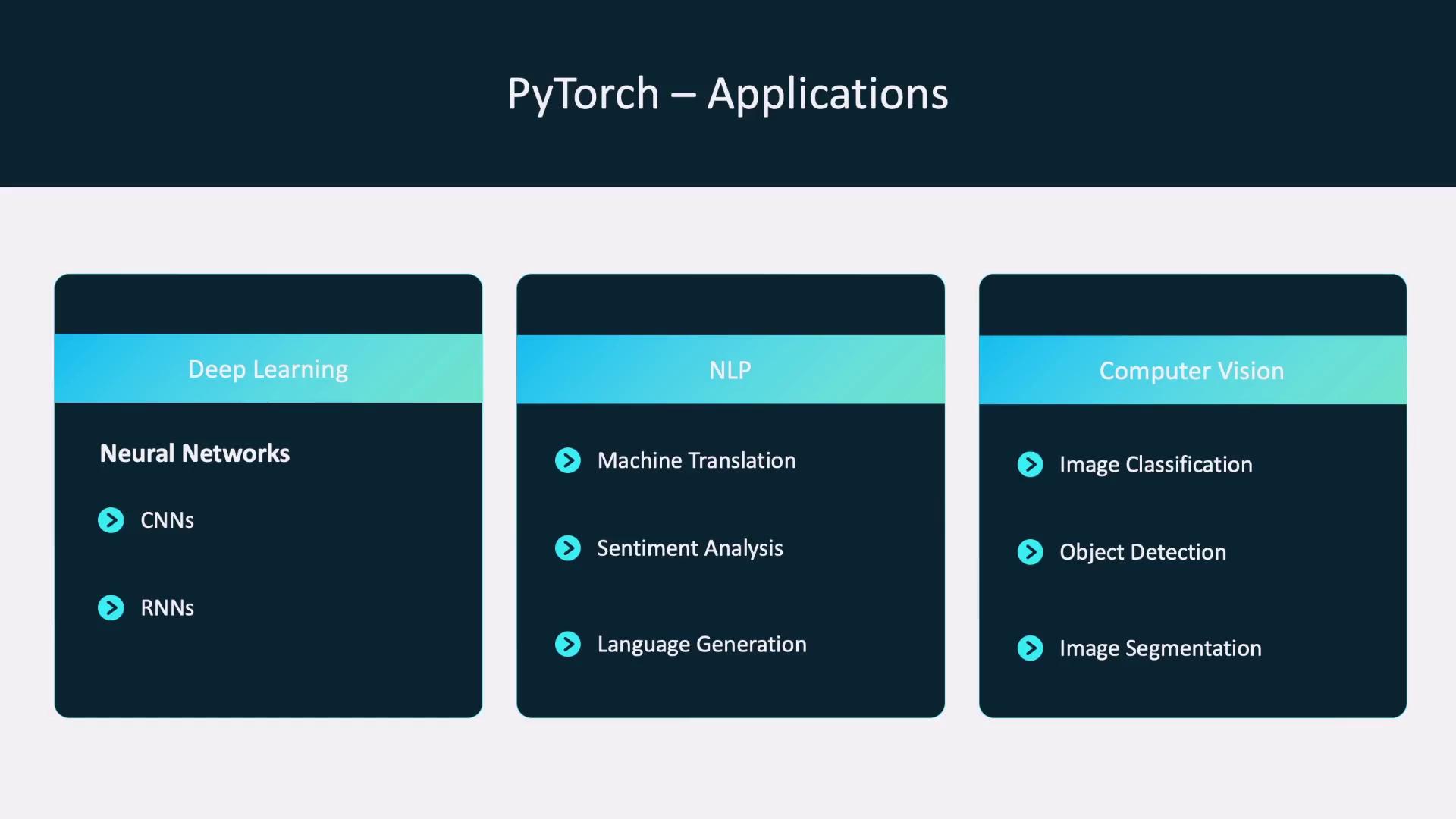
Key Advantages of PyTorch
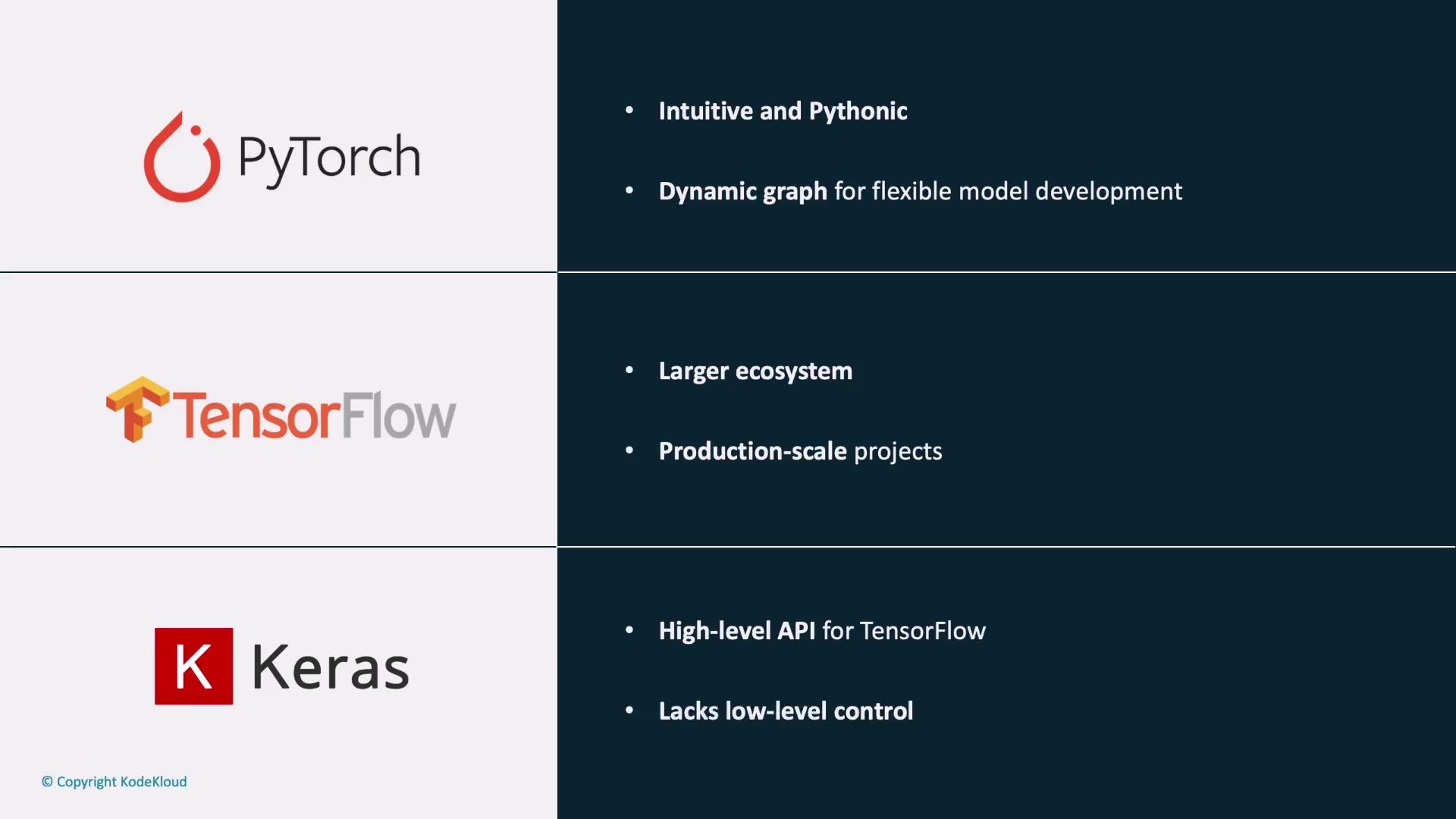
One of the standout features of PyTorch is its dynamic computation graph, enabling eager execution. This means that operations are computed immediately, which simplifies debugging and accelerates iterative experimentation. Its highly Pythonic design ensures a smooth integration with existing Python libraries, easing the learning curve for new users.
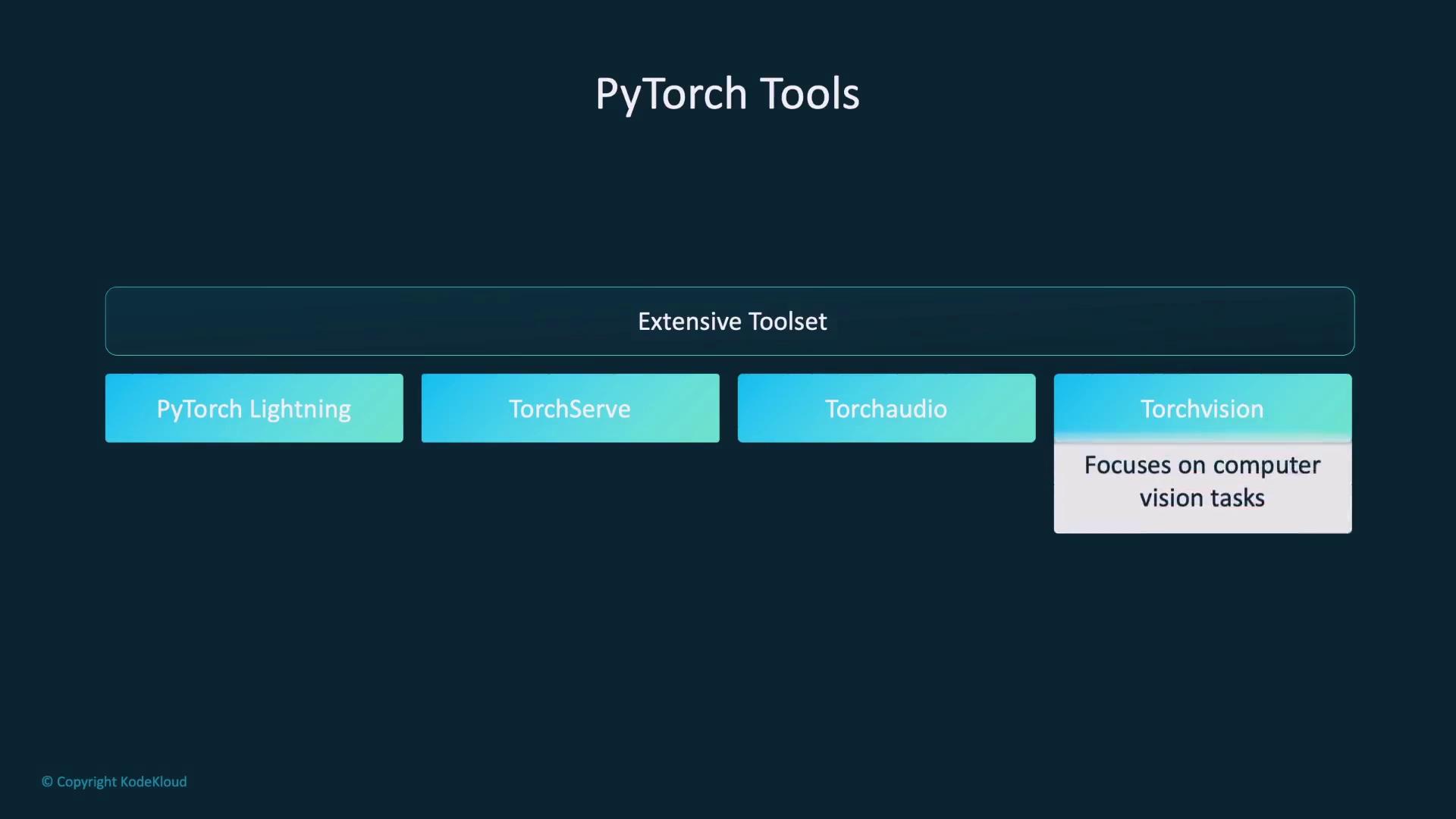
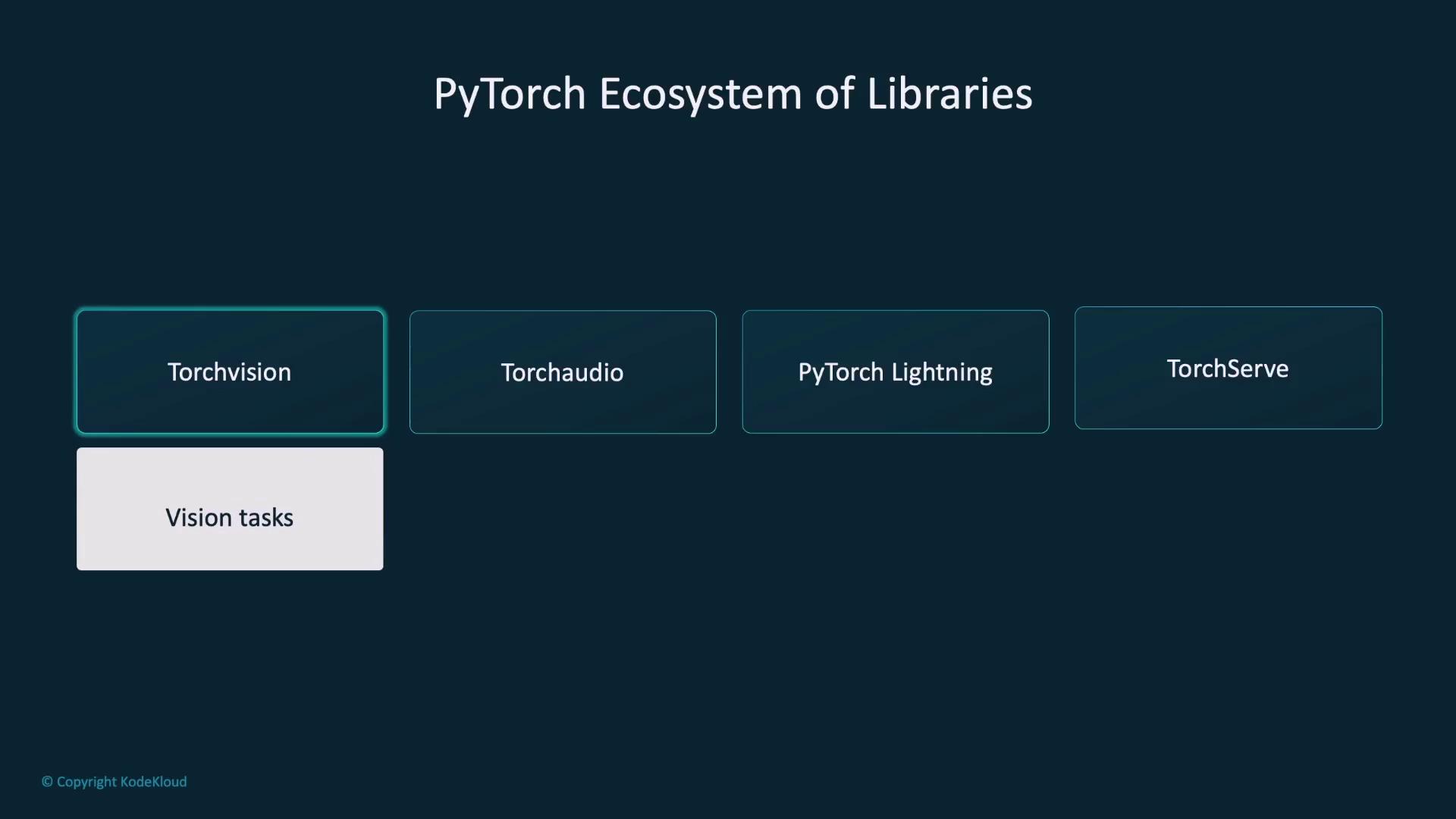
- PyTorch Lightning: Simplifies the training process and reduces boilerplate code.
- TorchServe: Eases the deployment of trained models into production environments.
- TorchAudio: Optimizes audio data processing.
- TorchVision: Provides utilities and pre-trained models for computer vision tasks.

PyTorch Tensors
A fundamental component of PyTorch is the Tensor, akin to a NumPy array but optimized for GPU acceleration and enhanced computations. Tensors are versatile data containers capable of representing everything from single values to complex multi-dimensional arrays. This flexibility is essential for deep learning applications where efficient data manipulation is critical.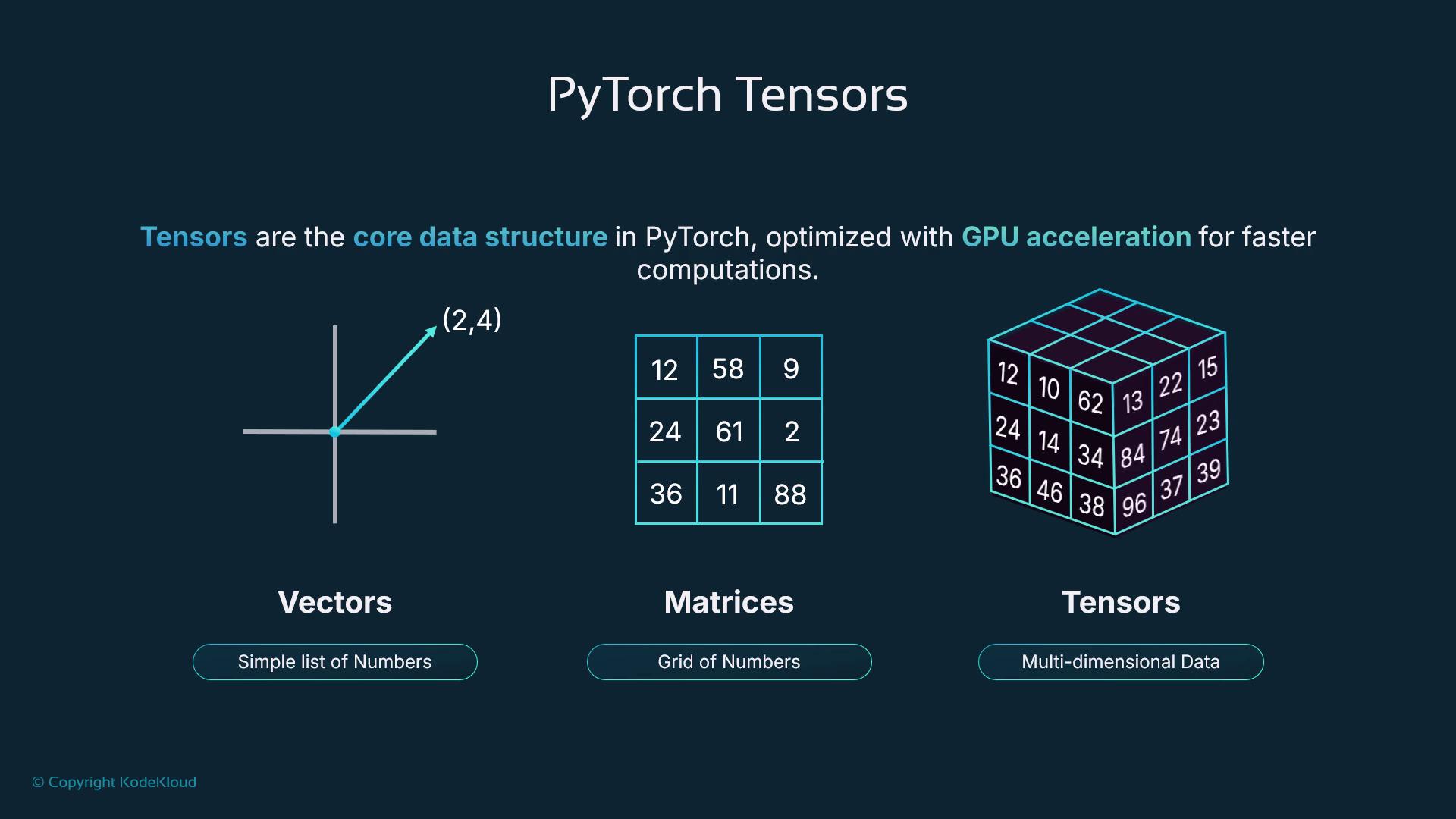
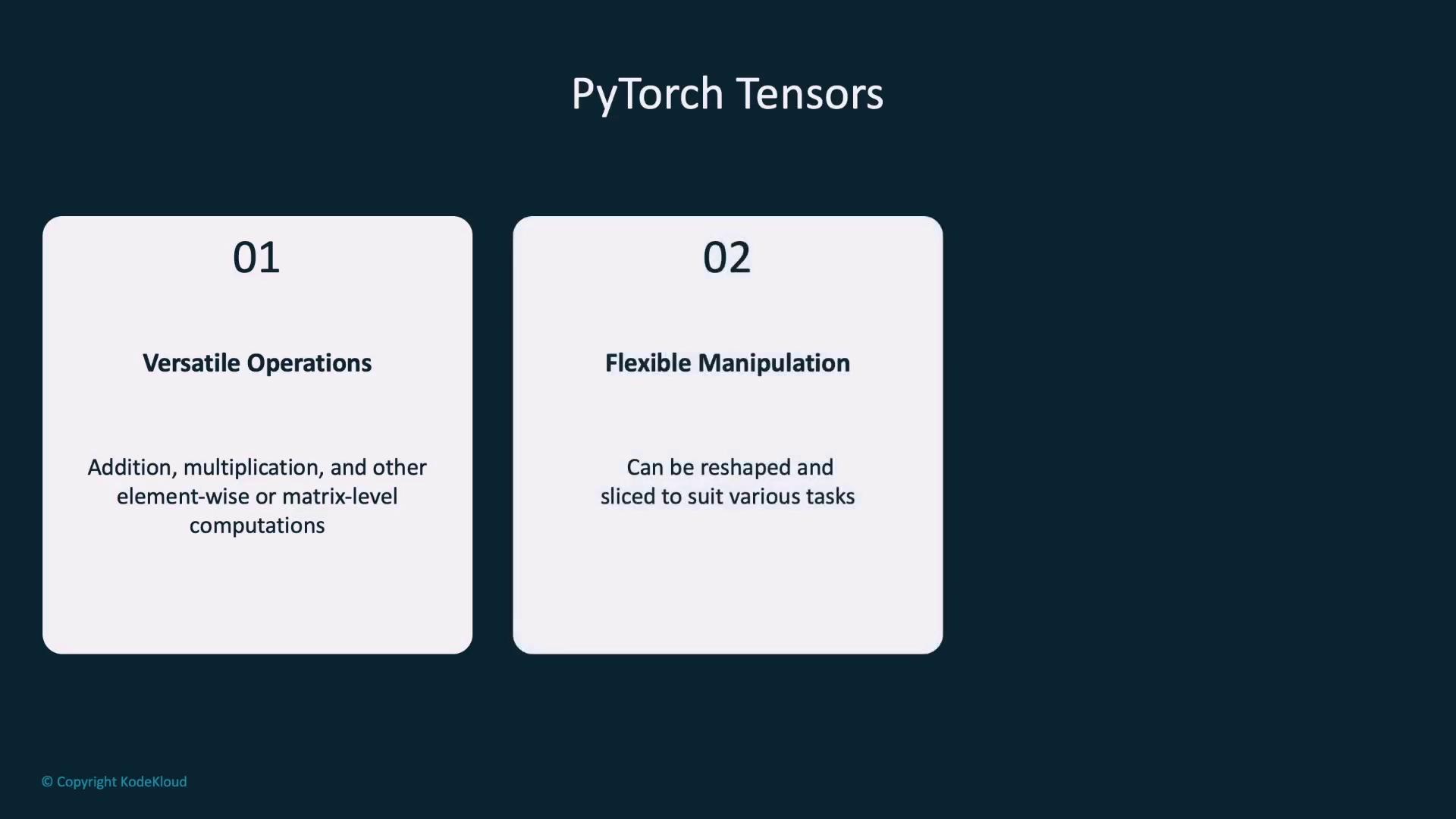
For an in-depth exploration of tensors and their operations, look out for our detailed guide on PyTorch Tensors in the upcoming sections.
Autograd: Automatic Differentiation
A pivotal feature of PyTorch is its Autograd library for automatic differentiation. Autograd tracks all operations performed on tensors and automatically computes the gradients required to optimize machine learning models. This process simplifies backpropagation, streamlining the training process and reducing common errors associated with manual gradient computation.
Keep an eye on upcoming sections where we delve deeper into Autograd and its critical role in model training and optimization.
Building Neural Networks with PyTorch
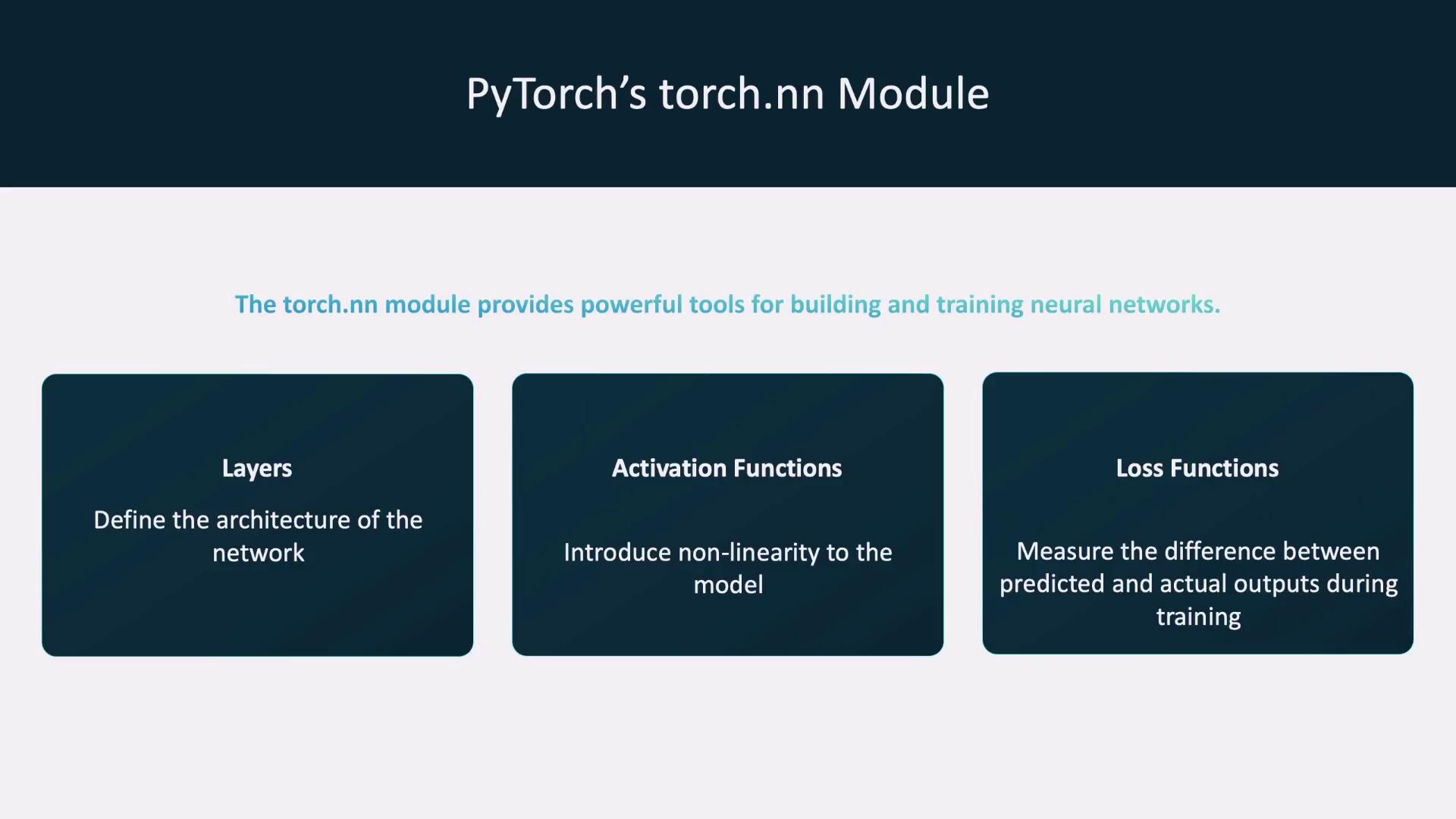
PyTorch simplifies the creation of neural networks—computational models inspired by the human brain that process data through interconnected layers. Its torch.nn module provides an array of pre-built components, including layers, activation functions, and loss functions, which enable developers to build and train neural networks with ease.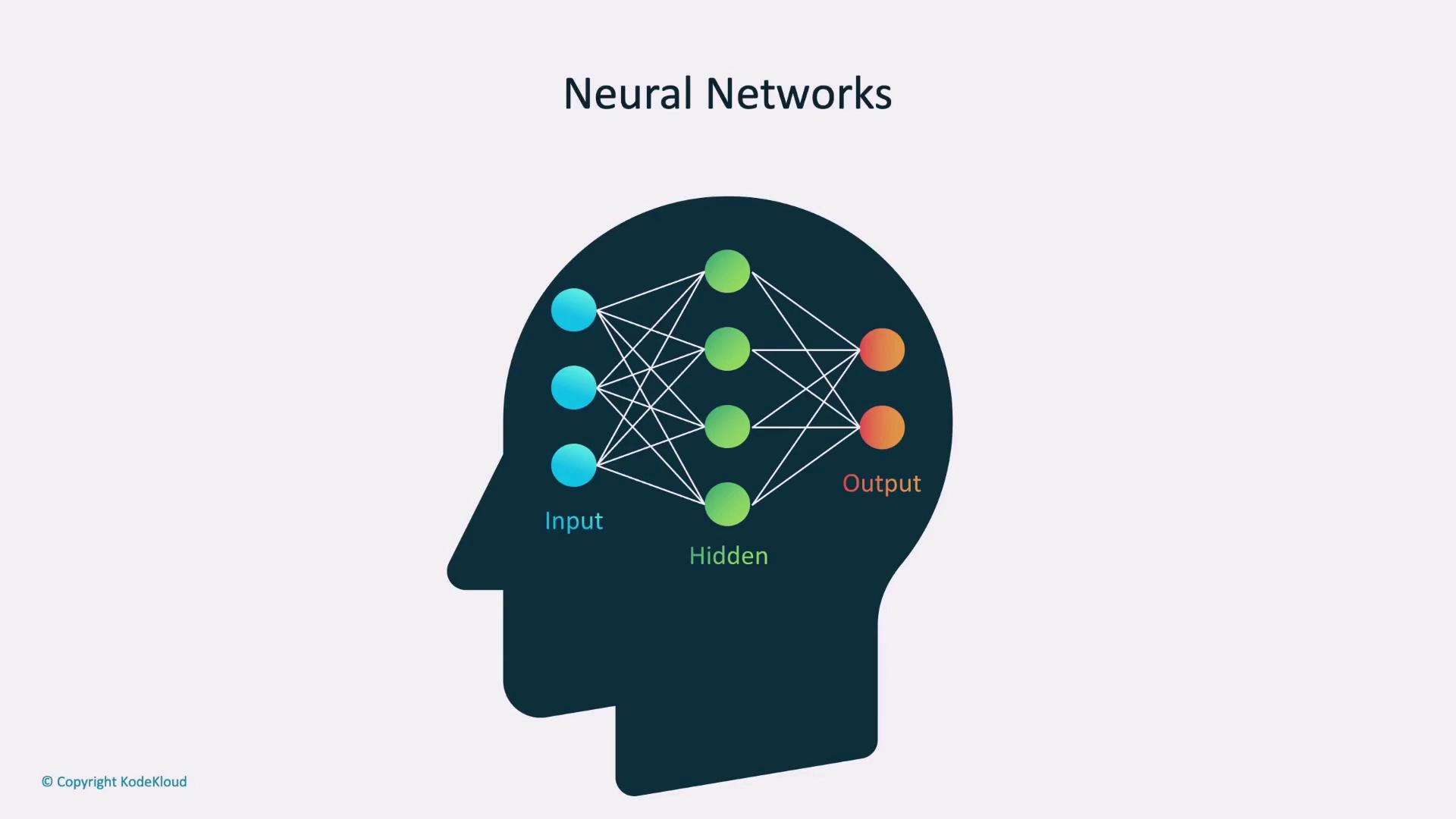
The PyTorch Ecosystem
Beyond the core framework, PyTorch features a vibrant ecosystem of libraries and tools that address specialized tasks:| Library | Purpose | Example Use |
|---|---|---|
| TorchVision | Pre-trained models and utilities for computer vision tasks | Image classification and object detection |
| TorchAudio | Tools for efficient audio processing | Speech recognition and sound classification |
| PyTorch Lightning | High-level interface to streamline model training | Simplifying complex training procedures |
| TorchServe | Deploying trained models into production | Serving models in production environments |
Adoption and Community Support
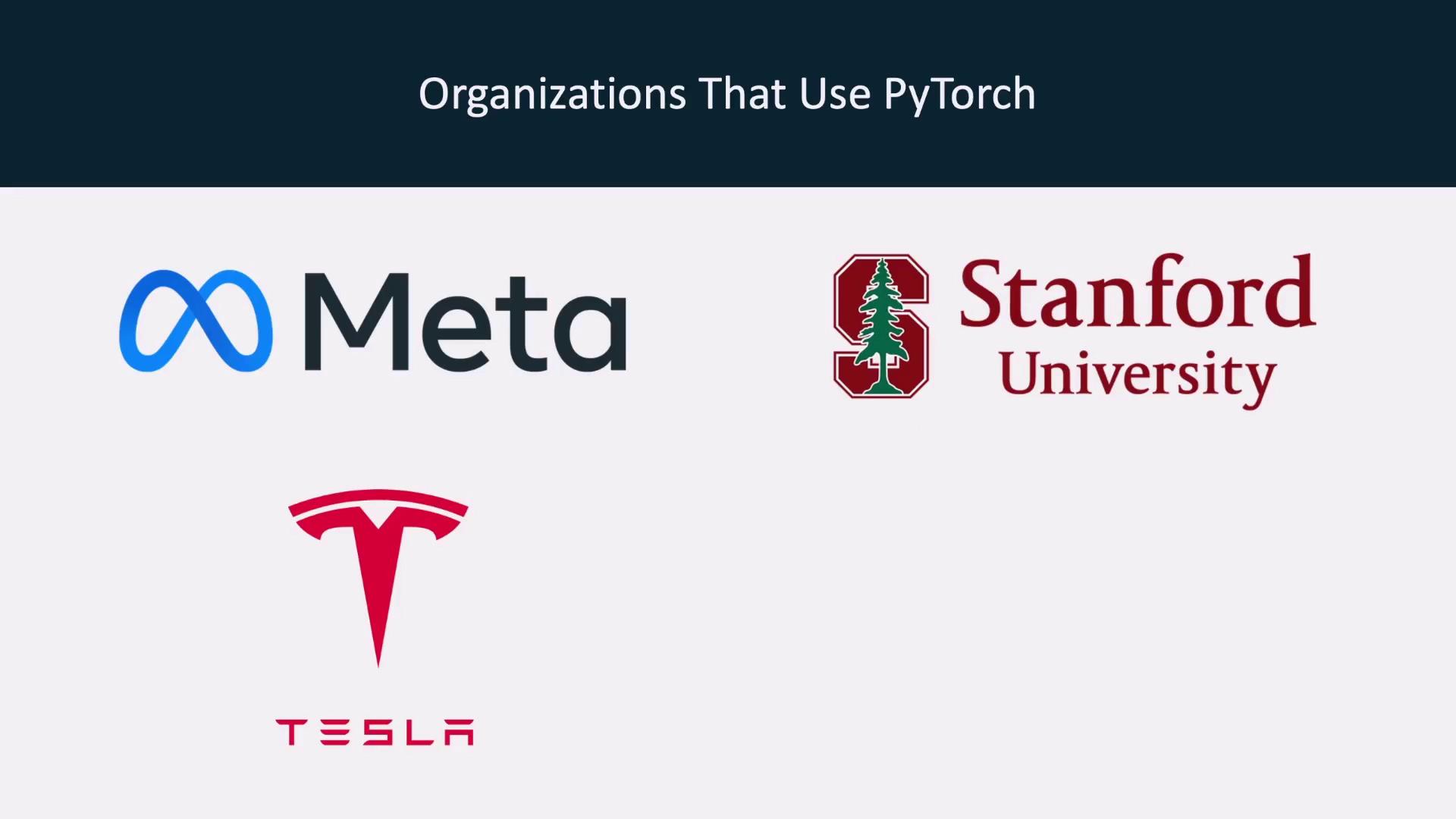
PyTorch is trusted by major companies and academic institutions alike. Some notable adopters include:- Meta (Facebook): Utilizing PyTorch for advanced AI research and development.
- Tesla: Leveraging the framework for designing deep learning models for autopilot systems and self-driving technology.
- Stanford University: Employing PyTorch in cutting-edge research projects.
- Uber: Applying PyTorch in predictive modeling and autonomous driving research.
Summary
In this article, we introduced the core components and advantages of PyTorch—from dynamic tensors and automatic differentiation with Autograd to powerful neural network modules and an extensive ecosystem. Whether you are a researcher or an industry practitioner, understanding these fundamental concepts will serve as a solid foundation as you dive deeper into machine learning with PyTorch.Explore our upcoming tutorials for detailed insights into PyTorch’s tensor operations, model building, and optimization techniques.