

Understanding Continuous Integration
Continuous Integration (CI) is a development practice where multiple developers contribute to a shared code repository—often managed via version control systems like GitHub. Each contribution, whether it’s a new feature or a bug fix, triggers an automated system to build the code.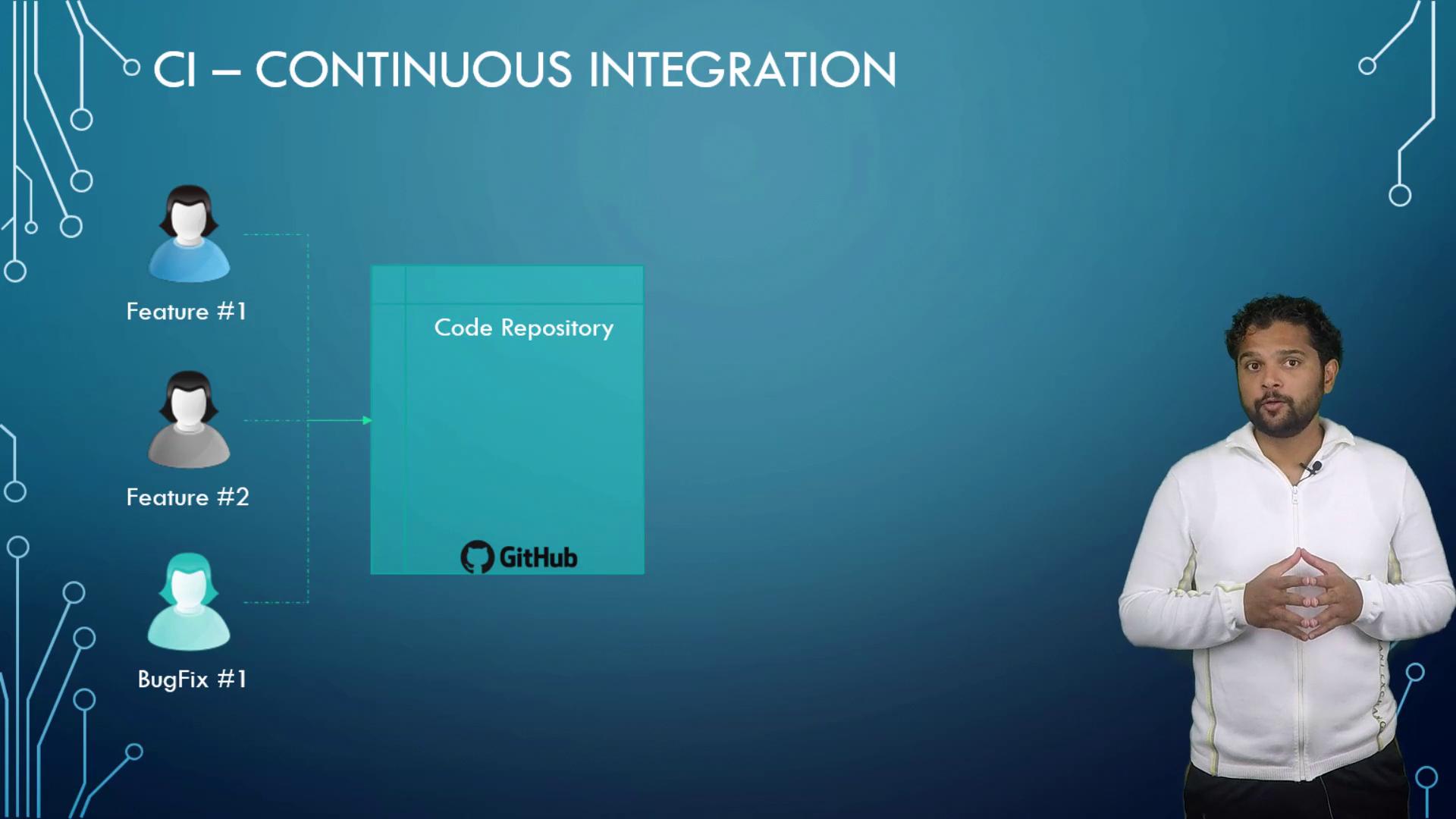
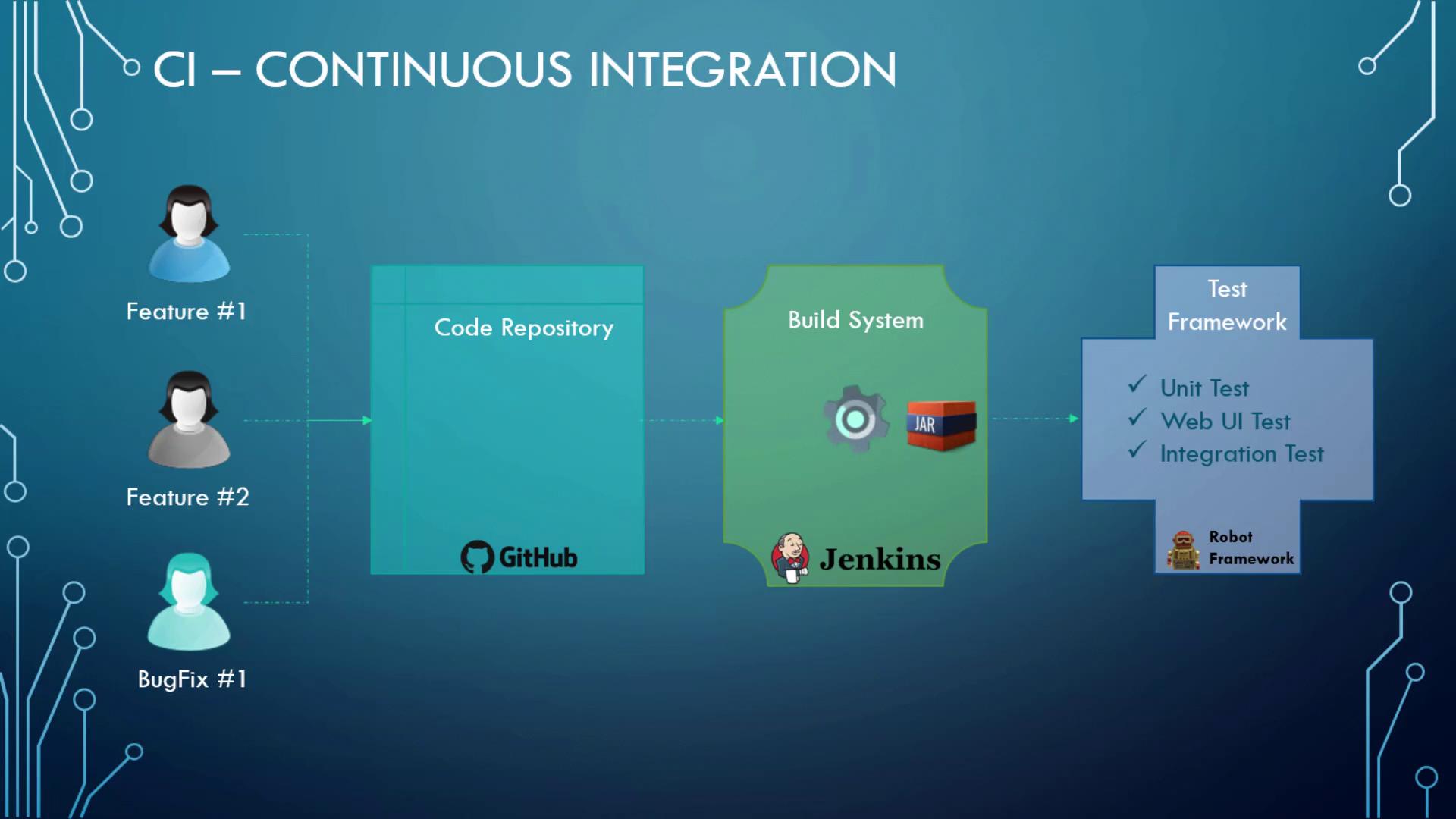
Understanding the CI process is essential for debugging issues early in the development cycle and maintaining high code quality.
Continuous Delivery and Continuous Deployment
The “CD” in CI/CD stands for Continuous Delivery and Continuous Deployment. Although both processes aim to automate the release of new software versions, there are subtle differences that are important for beginners to understand. Once code has been built and thoroughly tested, the subsequent step is to release the new version of your application. Releasing new software automatically—whether by packaging it as an executable, an RPM package, or even an ISO—is referred to as Continuous Delivery. Tools such as XebiaLabs Serena can be used to streamline this packaging process. Continuous Deployment takes automation one step further by automatically deploying the packaged application to a target environment. This environment could be an on-premises cloud solution like PCF or a public cloud service such as Google Cloud Platform or AWS. The complete CI/CD flow covers every stage: from code changes and builds to testing, release, and automated deployment in production. This comprehensive and seamless process is what sets Continuous Integration and Continuous Deployment apart in modern software development.
Leveraging a fully automated CI/CD pipeline not only boosts development speed but also reduces the risk of human error in production deployments.