This article explores the benefits of using templates in Backstage to automate project setup and improve consistency and speed.
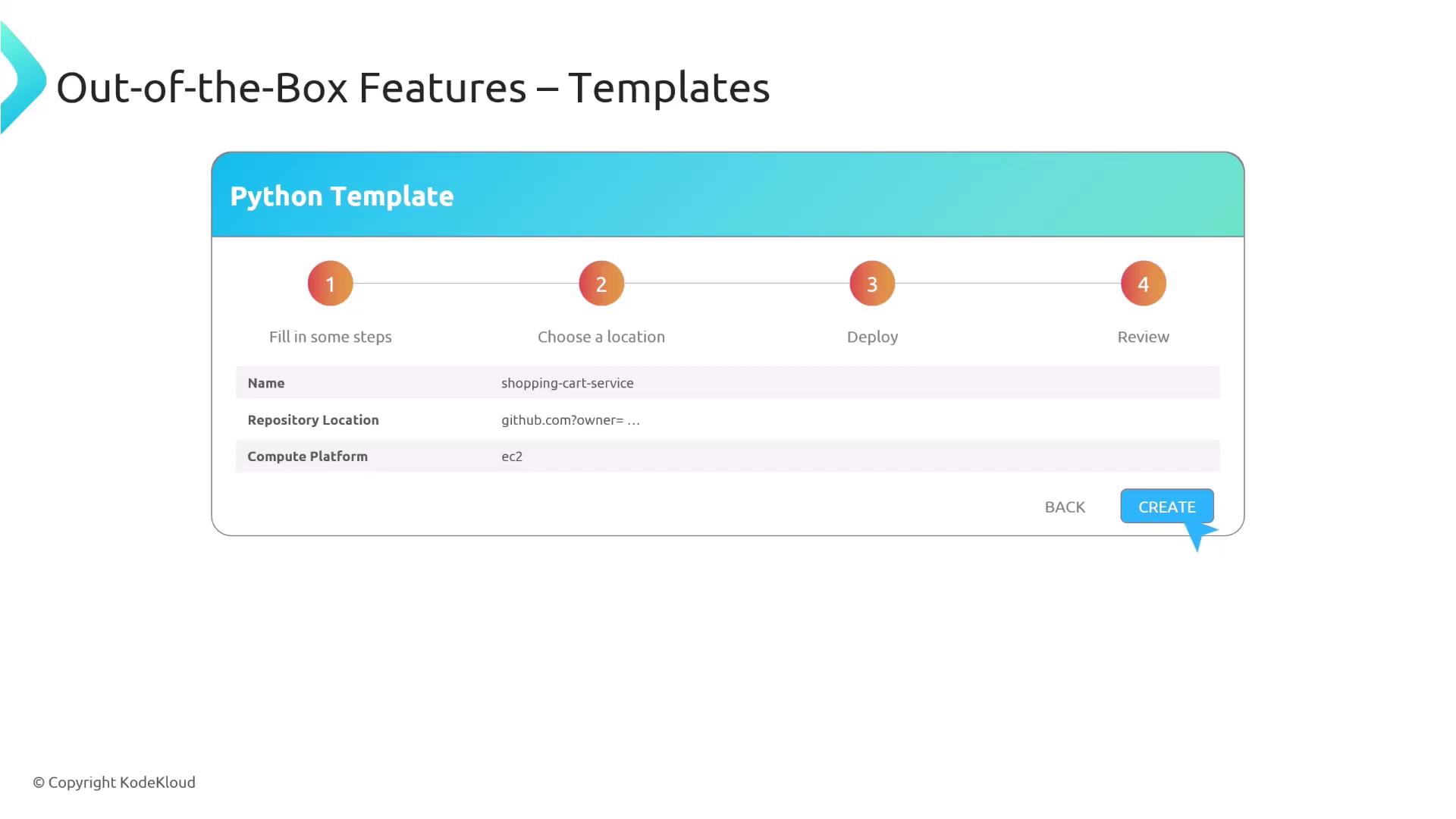
In this lesson, we explore why Backstage introduced templates and how they solve the challenges of manual project setup. By automating repetitive tasks—ranging from repository creation to infrastructure provisioning—templates enable teams to launch new applications faster and with consistent quality.
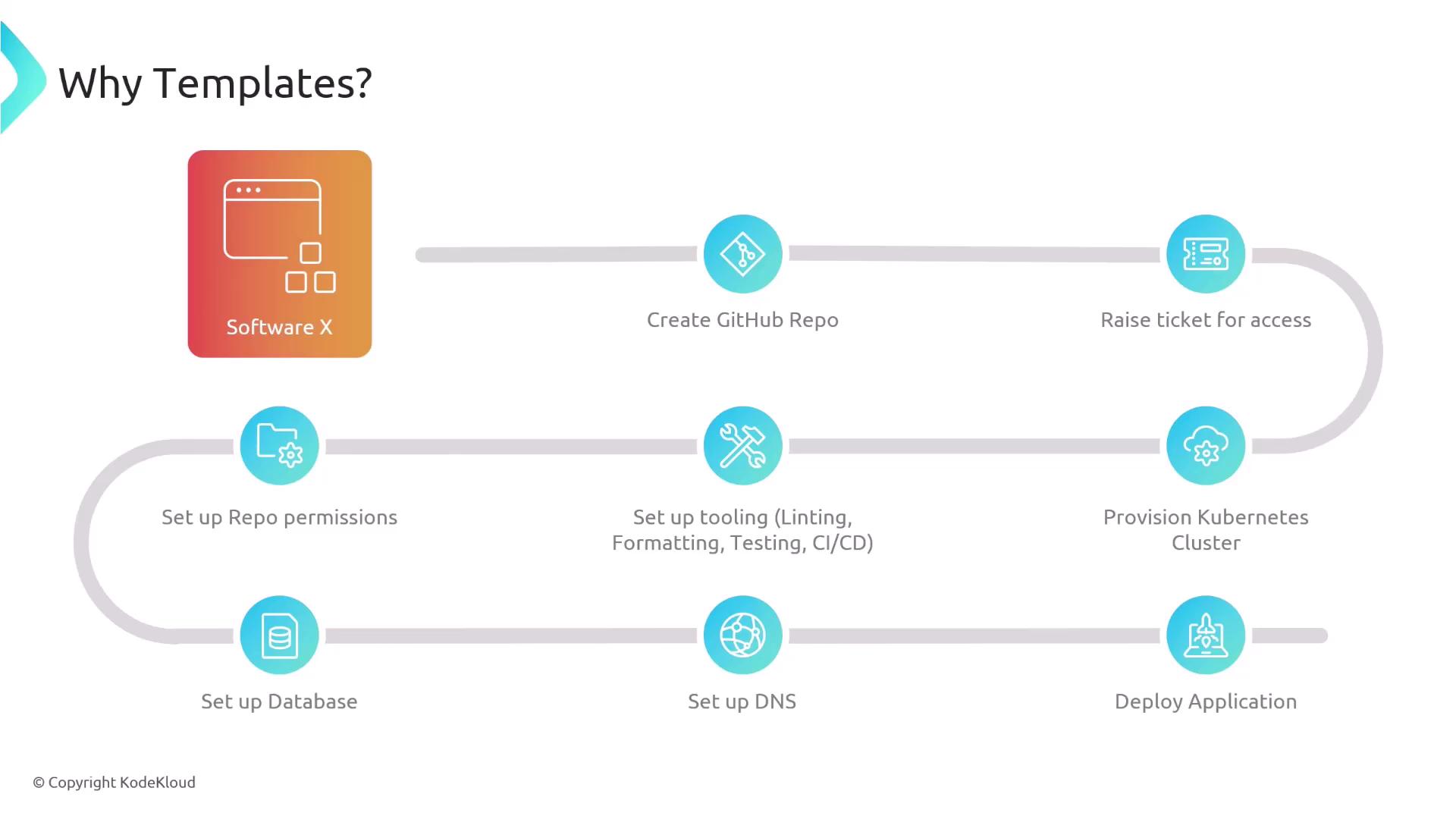
When starting a new project, teams often perform these manual steps:
Create a GitHub repository and request access
Provision deployment environments (e.g., a Kubernetes cluster)
Configure tooling (linting, formatting, testing)
Set up the CI/CD pipeline
Assign repository permissions
Provision dependent resources (databases, DNS)
Deploy the application
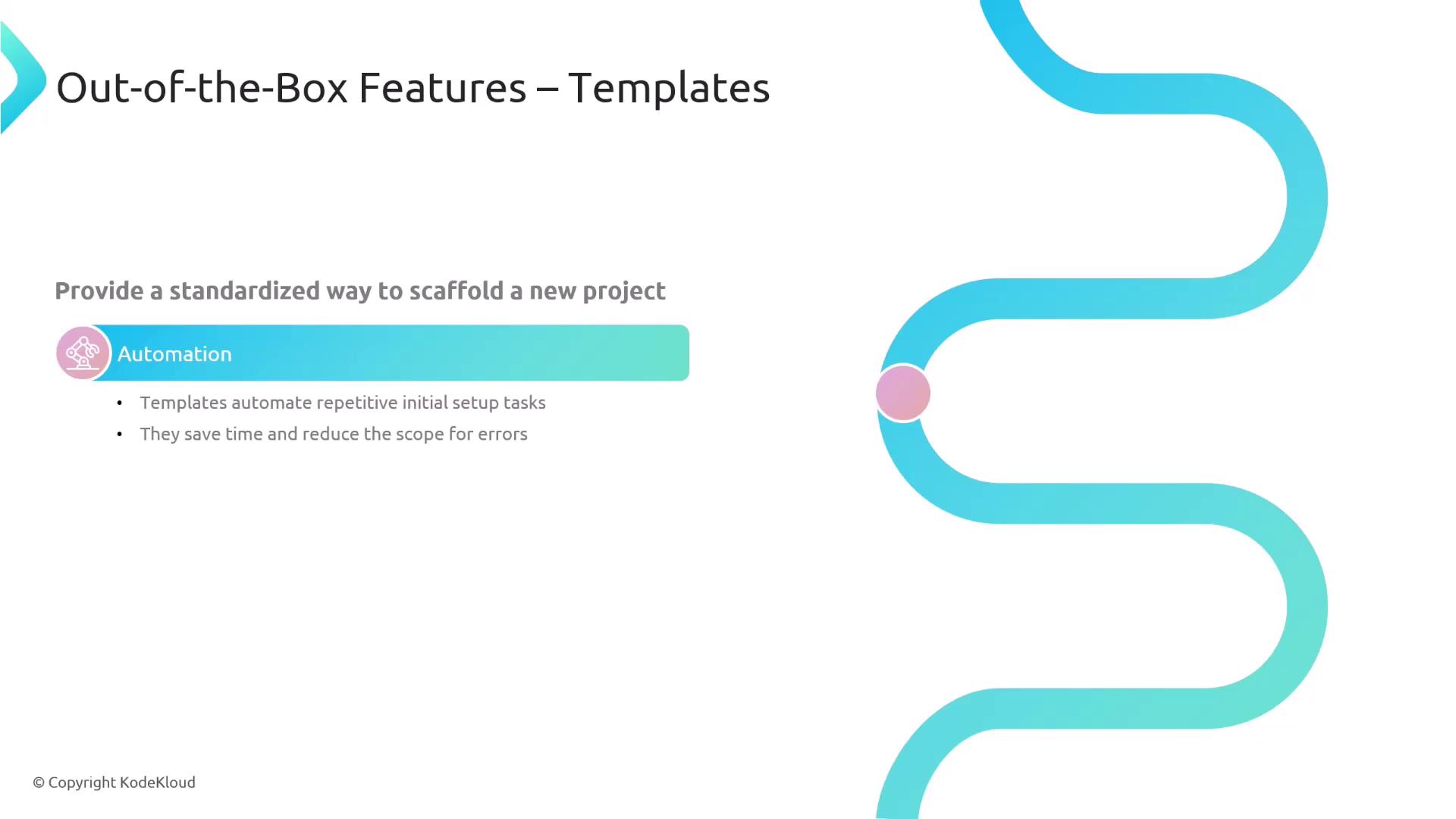
Each project repeats these steps, which is time-consuming and error-prone. Backstage templates automate the entire workflow: with a single click, developers trigger all these tasks under the hood.
Templates in Backstage provide a one-click experience for:
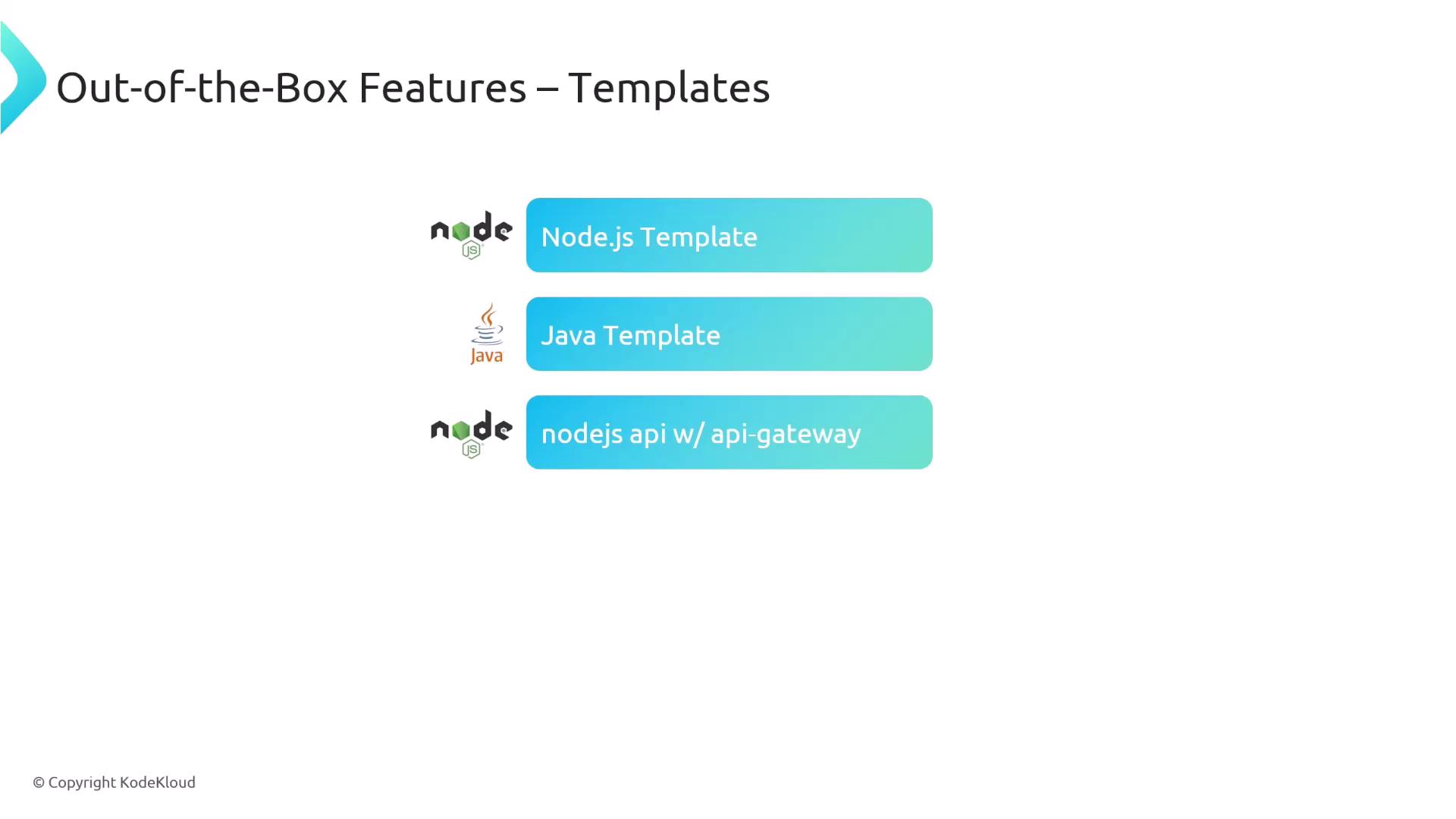
Repository creation with best-practice code scaffolding
Environment and infrastructure provisioning
CI/CD pipeline configuration
Permission assignments and resource dependencies
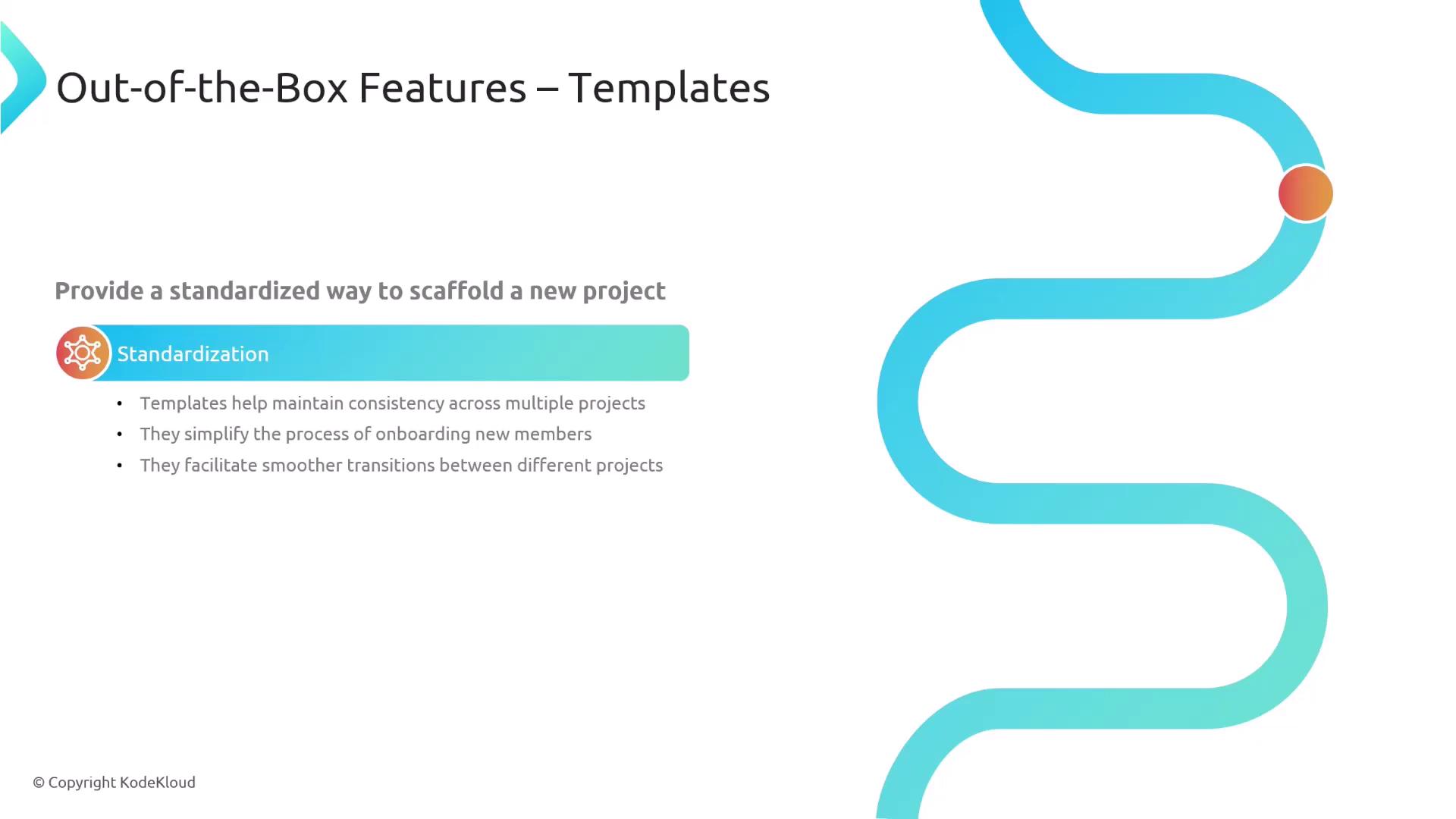
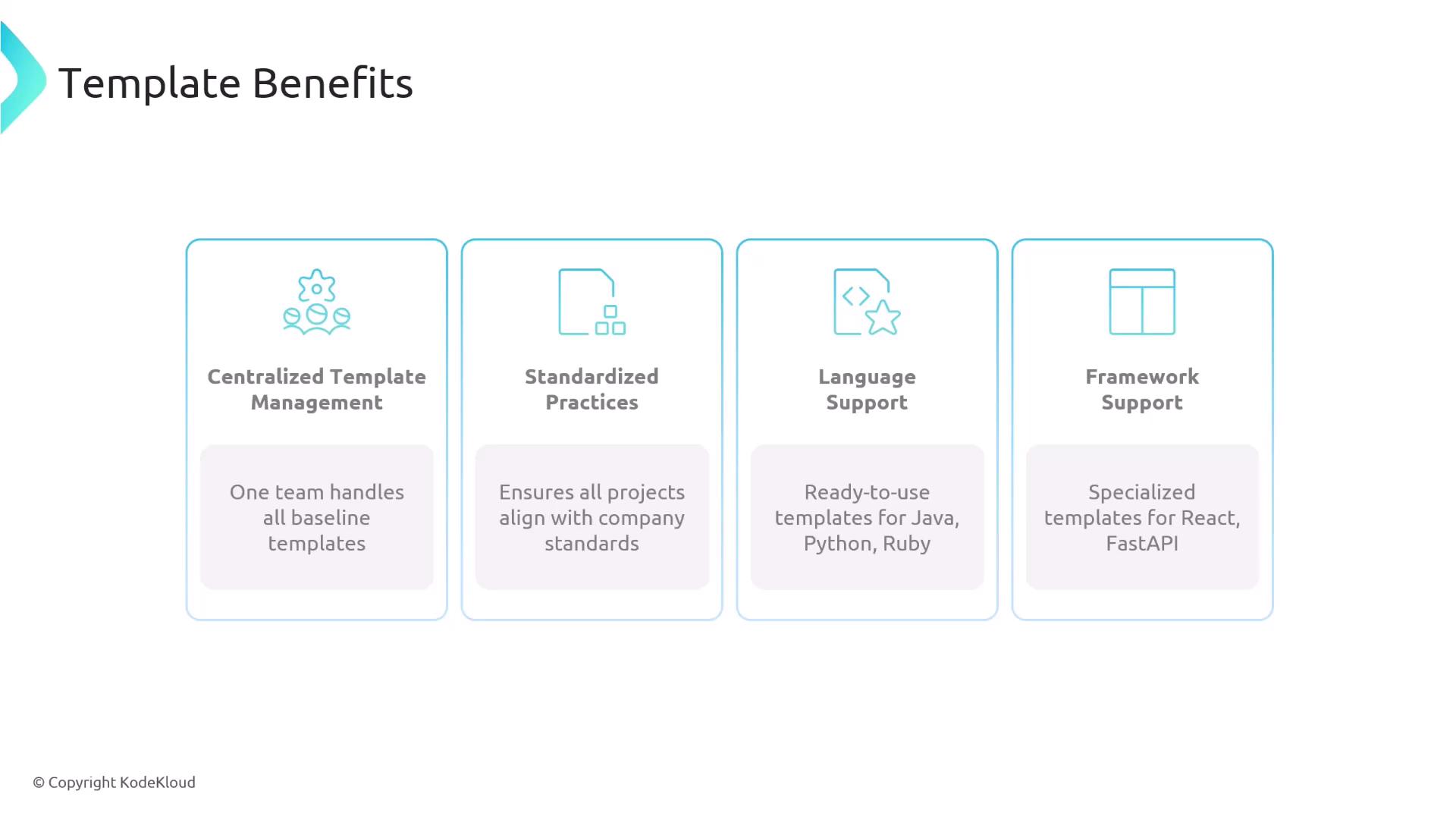
Templates enforce organizational best practices by centralizing project definitions. A dedicated team maintains these templates to ensure consistent structure, tooling, and security settings.