

Early Beginnings: Academic and Corporate Sharing (1950s)
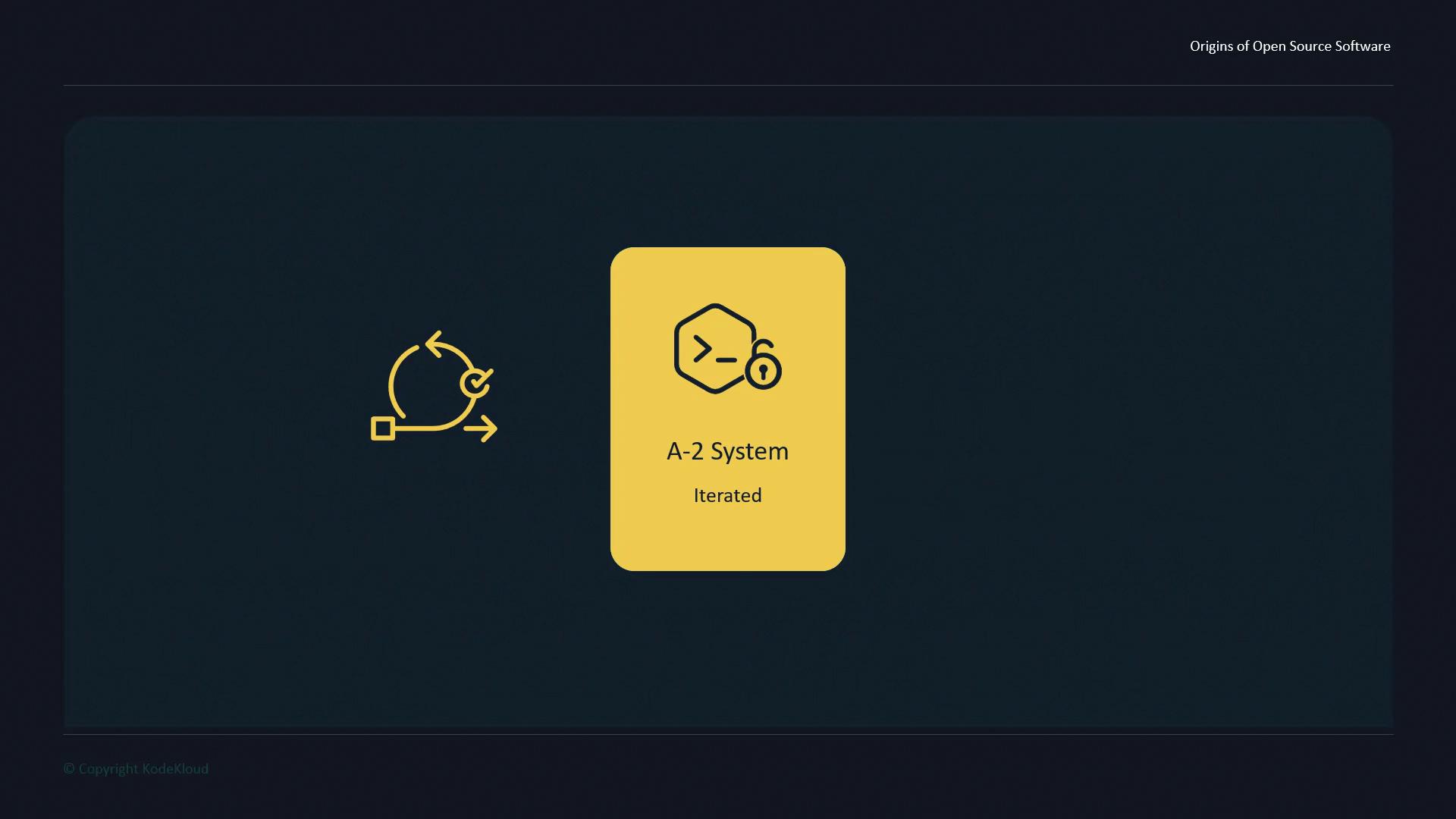
In the 1950s, software was typically bundled with hardware by universities and corporations. Users had access to the full source code, enabling them to fix bugs or add features.One pioneering example was Grace Murray Hopper’s A0 compiler tool. Soon after, UNIVAC’s Burbank division released its A2 system with source code, inviting community feedback and iterative improvements.
ARPANET and Distributed Collaboration (Late 1960s)
The launch of ARPANET in the late 1960s accelerated software sharing across geographically dispersed teams. Researchers sent patches and enhancements over the network, solidifying the notion of distributed development.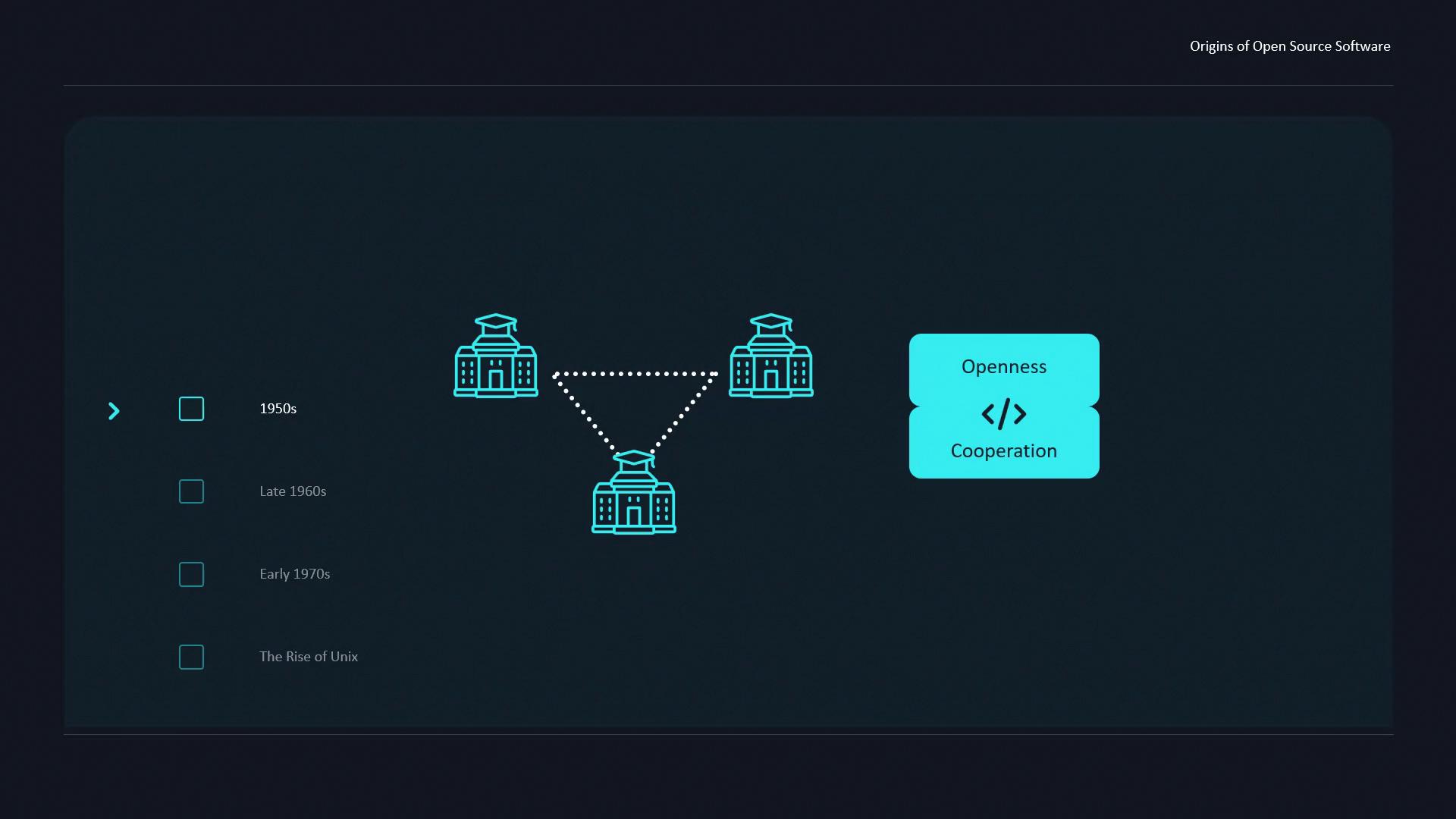
Commercialization and the Rise of UNIX (1970s)
As computing grew more sophisticated in the 1970s, software began to be marketed as a standalone product. AT&T released the UNIX operating system to government agencies and academic sites, but each new version carried a fee and forbade modification or redistribution of its source.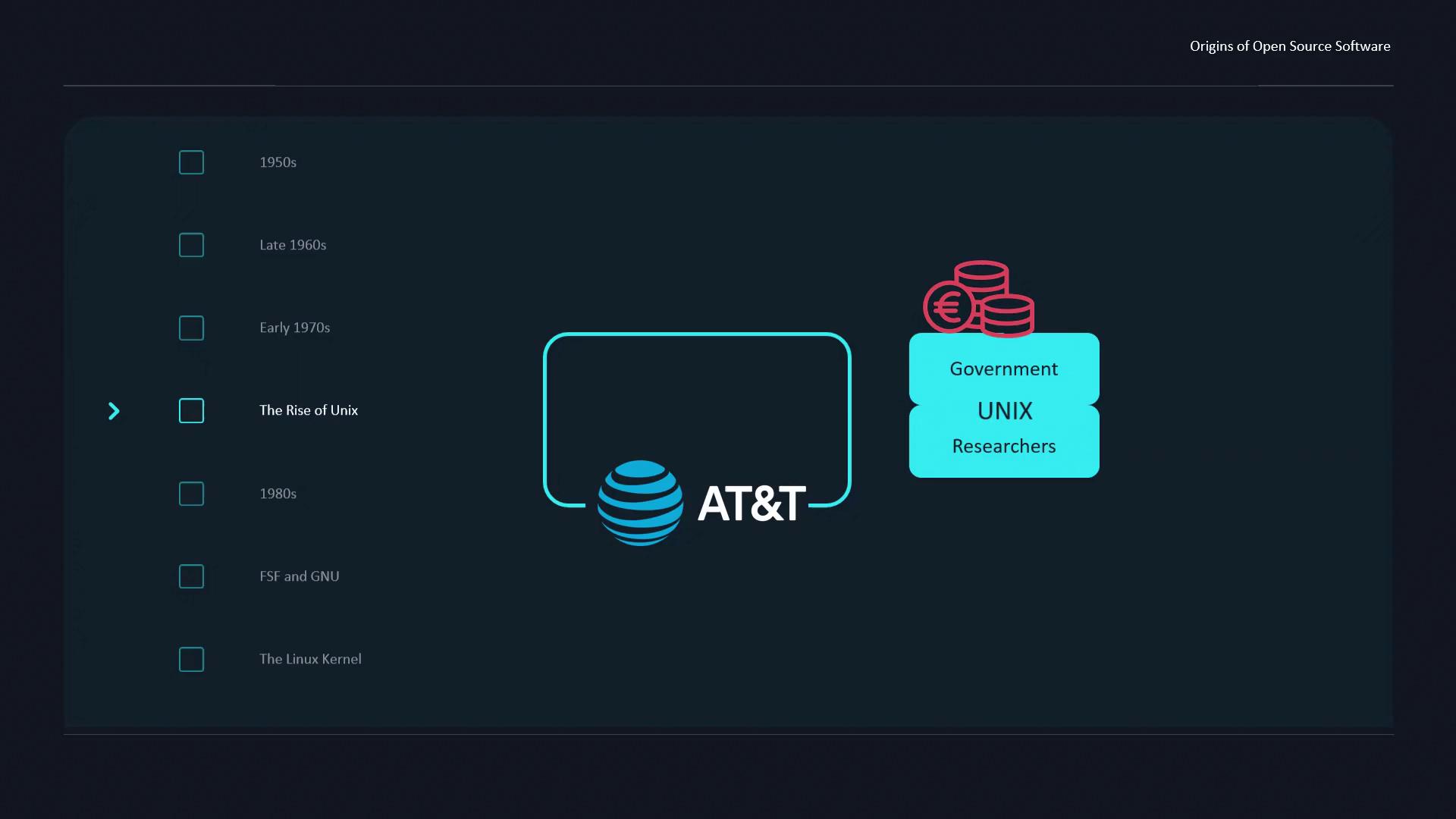
The Free Software Movement and Copyleft (1980s)
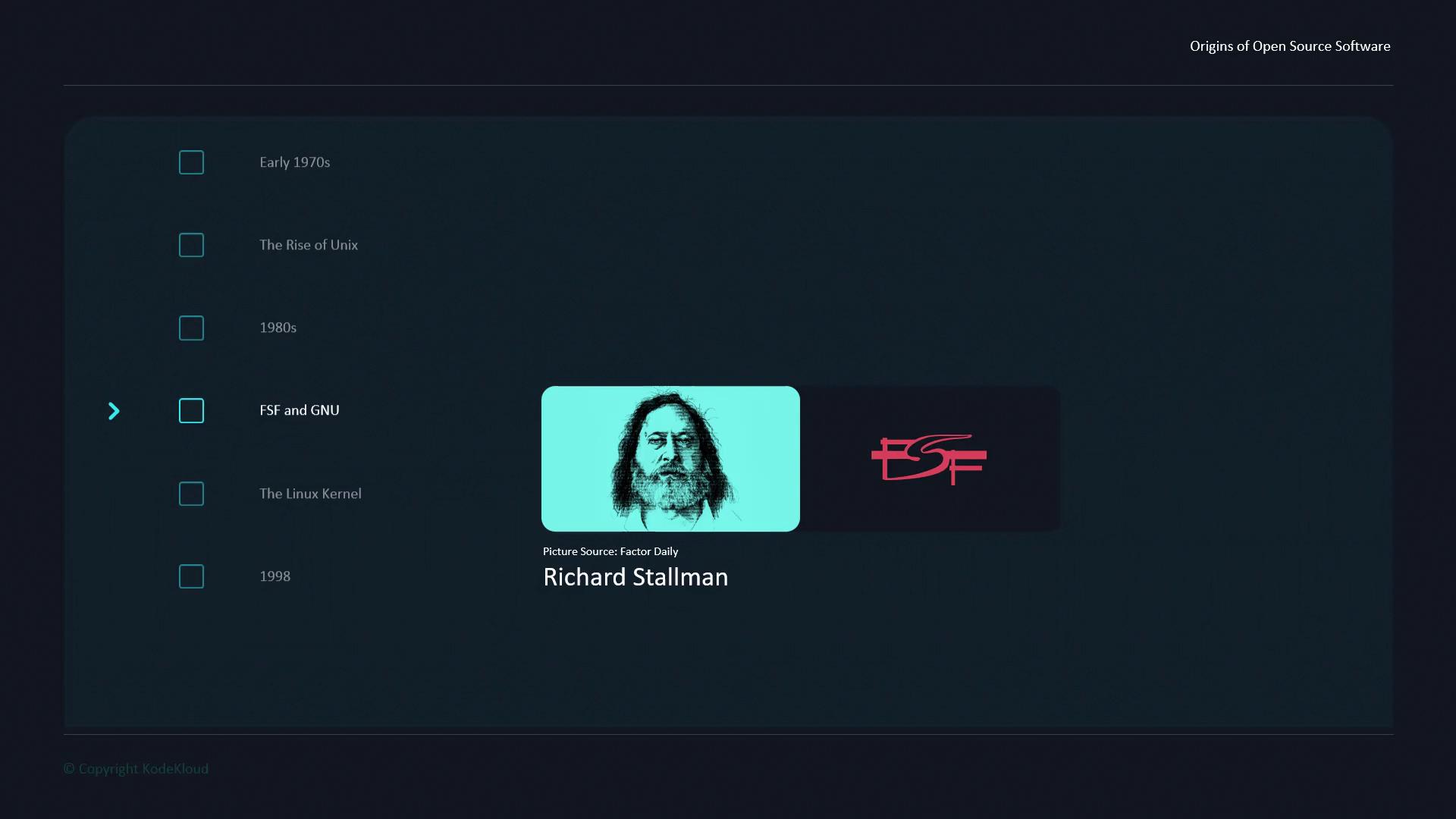
Reacting to proprietary restrictions, Richard Stallman launched the GNU Project in 1983 to build a free, Unix-compatible operating system. He also founded the Free Software Foundation and introduced Copyleft, a licensing model that requires derivative works to remain freely available.Copyleft ensures that any modifications or extensions to the software must also be distributed under the same free license.
Linux Kernel and the Cathedral & the Bazaar (1991–1998)
In 1991, Linus Torvalds released the Linux kernel under a permissive model. By February 1992, it was relicensed under the GNU General Public License (GPL), cementing its open source status.Eric S. Raymond’s 1997 essay and subsequent book The Cathedral and the Bazaar examined hacker-driven development, inspiring a more structured approach to community collaboration.

Key Milestones in Open Source History
| Era | Milestone | Impact |
|---|---|---|
| 1950s | UNIVAC A2 release | Early source code sharing and iterative improvements |
| Late 1960s | ARPANET | Distributed collaboration across research institutions |
| 1970s | AT&T UNIX releases | Emergence of proprietary software licensing |
| 1983 | GNU Project & FSF founded | Introduction of Copyleft and free software advocacy |
| 1991–1992 | Linux kernel & GPL relicensing | Open source license adoption and growth of Linux-based systems |
| 1997–1998 | The Cathedral and the Bazaar; Term “Open Source” coined | Shift toward enterprise adoption and sustainable open models |