- Recognize
- Engage
- Try
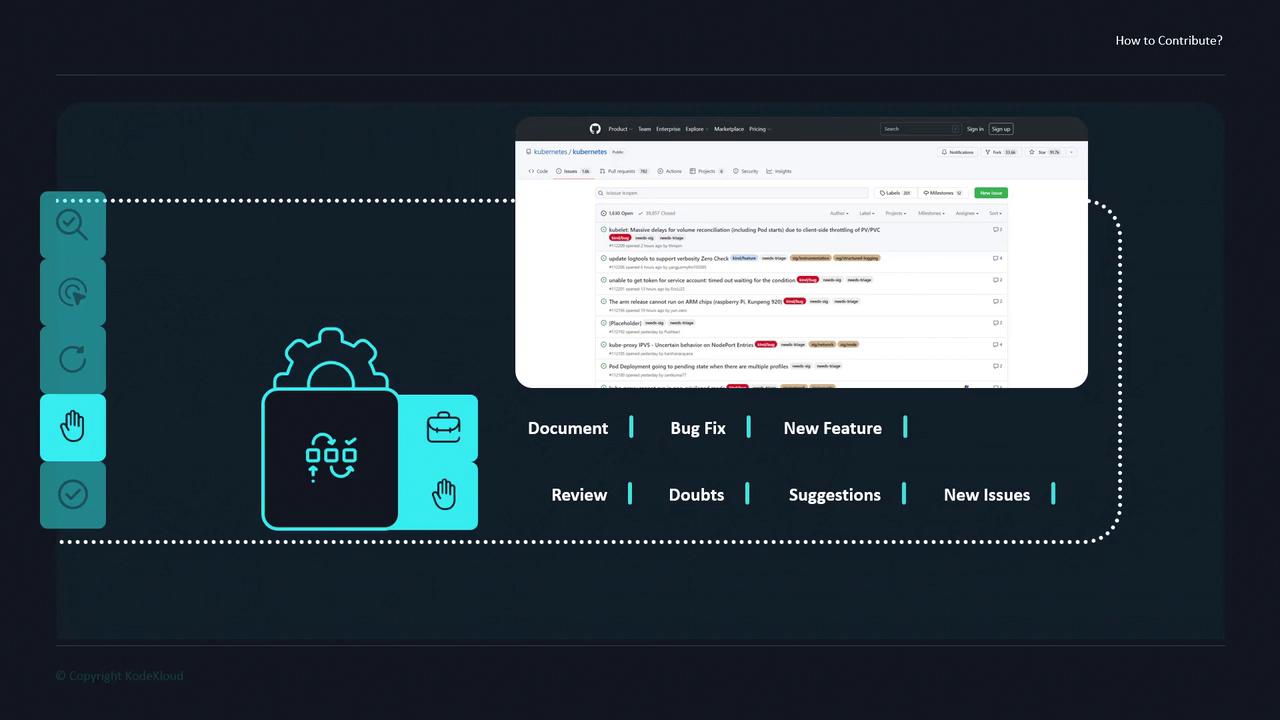
- Raise
- Apply
Overview of the RETRY Model
| RETRY Step | Action | Outcome |
|---|---|---|
| Recognize | Identify projects aligned with your goals | Targeted areas where you can make an impact |
| Engage | Join discussions and introduce yourself | Build rapport and understand workflows |
| Try | Clone, build, and experiment | Hands-on familiarity with the codebase |
| Raise | Open issues or pull requests | Contribute fixes, docs, or new features |
| Apply | Share best practices across communities | Accelerate growth and knowledge transfer |
Recognize
Start by narrowing your focus to the projects or communities that resonate with your interests and expertise. Consider factors such as:- Technology stack (e.g., Kubernetes, Terraform, Docker)
- Programming language (e.g., Python, Go, JavaScript)
- Project mission or domain (e.g., DevOps tools, data analytics)
Engage
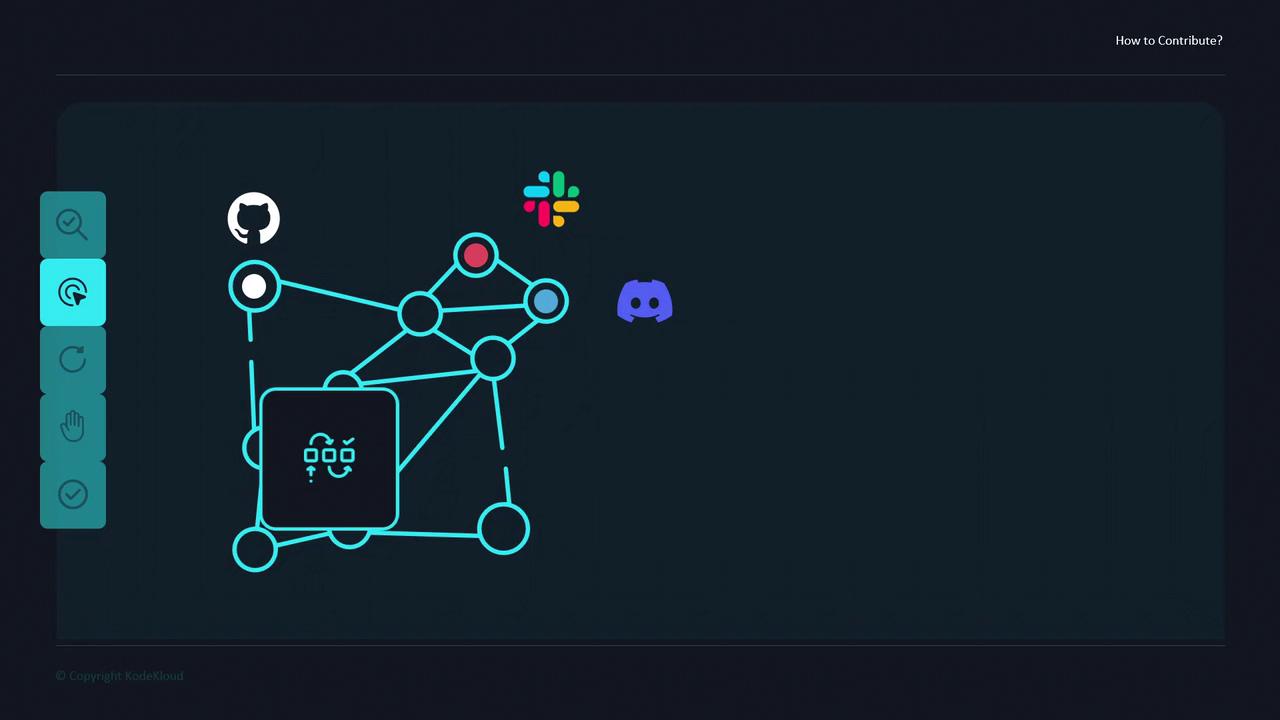
Once you’ve chosen a project, immerse yourself in its community channels: Observe ongoing discussions, introduce yourself, and ask clarifying questions. This helps you learn the project’s norms and find areas where help is needed.Respect each project’s code of conduct and communication guidelines. Clear, concise messages go a long way in making a positive first impression.
Try
With context from the community, dive into the code:- Fork or clone the repository.
- Install dependencies and run local builds.
- Explore example configurations and test suites.
- Reference project docs and existing issues to troubleshoot.
Raise
After you’re comfortable with the codebase, start contributing by raising your work for review:- Fix bugs or code errors
- Enhance or correct documentation
- Propose new features via pull requests
- Open issues to suggest improvements or discuss design
Before submitting, ensure your changes pass all tests and adhere to the repository’s style guide. Incomplete or non-compliant PRs may be closed without review.