

Key Actors in Domain Registration
- Registrar: Think of the registrar as an Internet real estate agent. Companies like GoDaddy, Namecheap, and Google Domains offer domain registration services and facilitate the interaction between the registrant and the registry.
- Registrant: This is the individual or organization looking to secure a unique domain name—the digital equivalent of owning real estate.
- Registry: Registries maintain authoritative records for specific top-level domains (TLDs). For instance, VeriSign manages millions of transactions daily for the .com TLD, while the Public Interest Registry oversees .org domains.
Understanding TLD Territories
For example, VeriSign is responsible for managing .com domains, ensuring that each registration is correctly recorded. Meanwhile, the .org TLD is managed by the Public Interest Registry, dedicated to serving non-profits and organizations.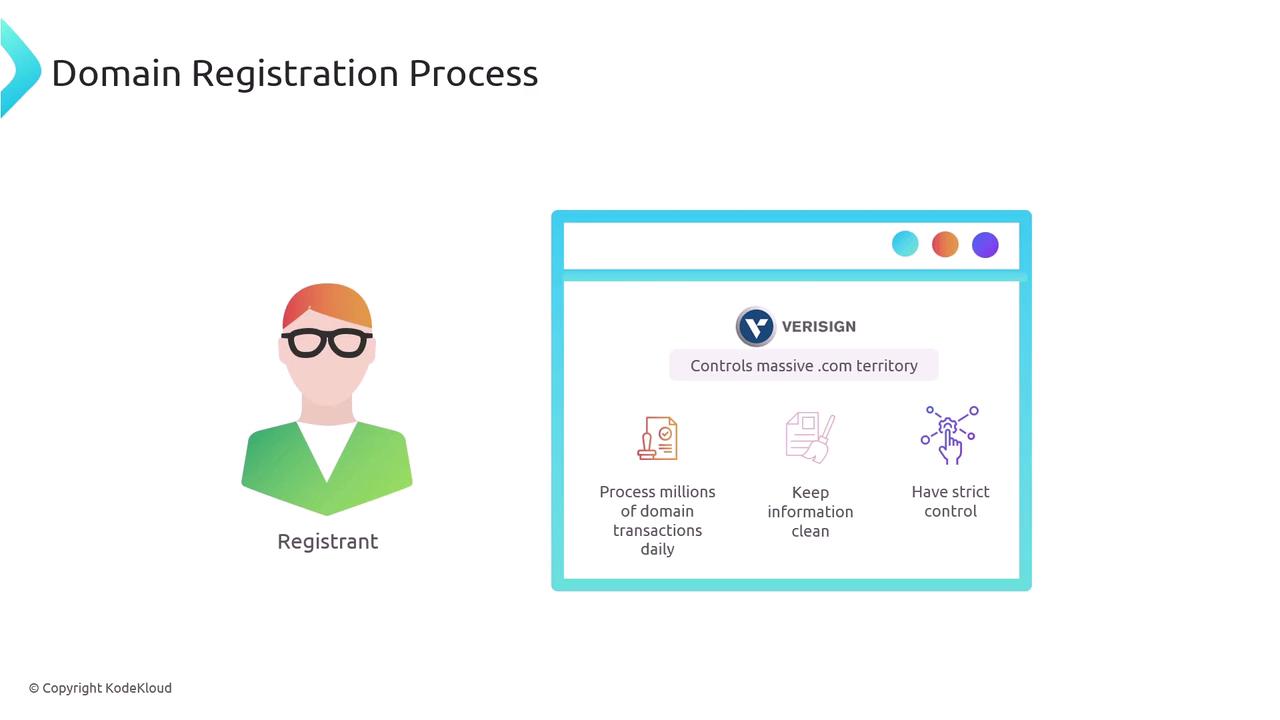
Domain Drop Catching
During his exploration, the registrant also learns about an underground facet of the industry called domain drop catching. Some registrars specialize in capturing domains the moment they expire. Automated systems deployed by companies such as DropCatch.com and SnapNames monitor for domain expirations and register valuable domains as soon as they become available.
Expiration and Renewal Protocols
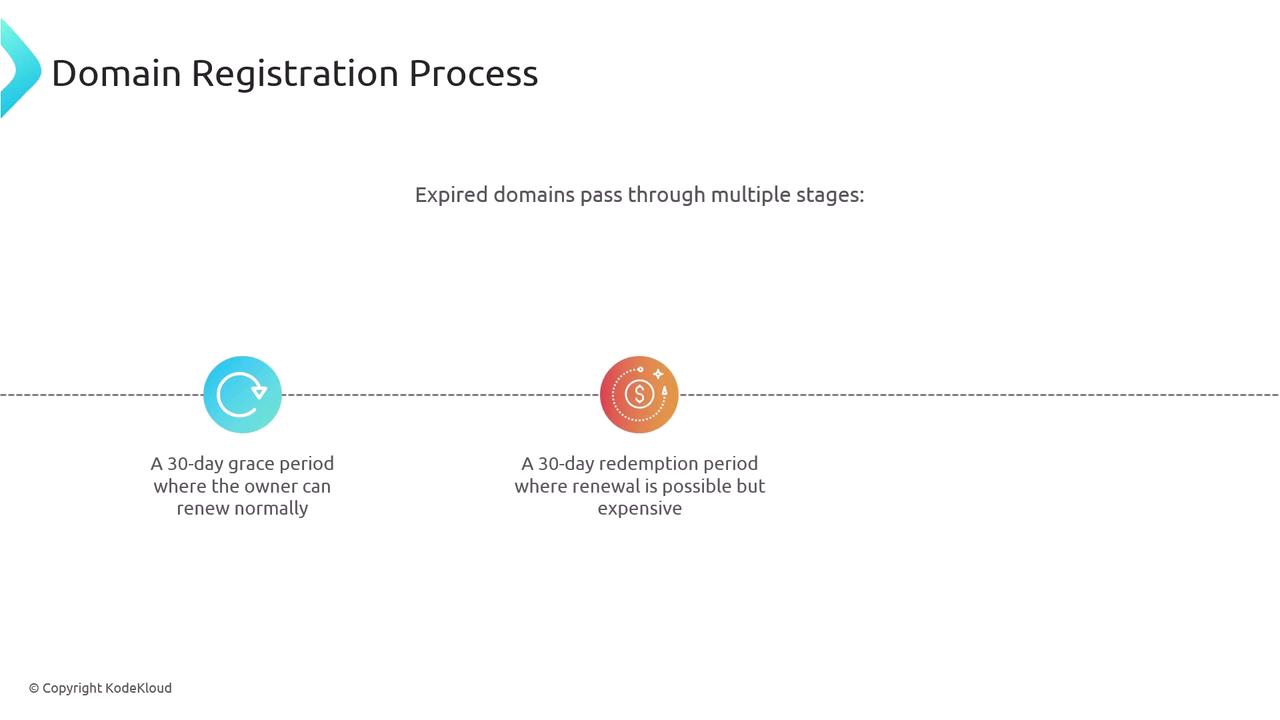
To prevent mass chaos from expired domains, registries have established a redemption system:- 30-Day Grace Period for regular renewal
- 30-Day Redemption Period with higher fees
- 5-Day Waiting Period before a domain becomes generally available
These periods ensure that domain owners have sufficient time to renew their domains while also providing a controlled process for third parties interested in expired domains.
Pricing Insights
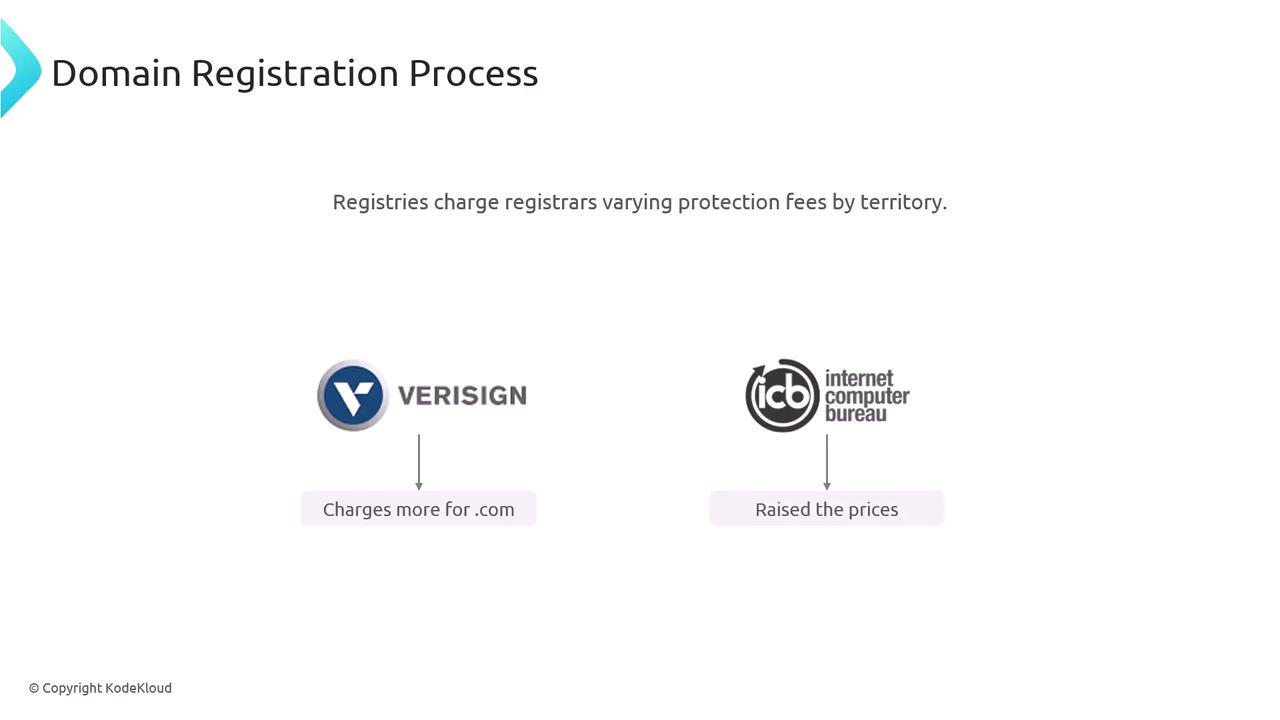
Traditional registrars like GoDaddy and Namecheap act similarly to real estate agencies by providing registration services. They work with registries that interact only with authorized registrars. During the process, the registrant discovers that pricing varies between registrars. Each registry charges its own protection fee. For example:- .com domains: VeriSign charged between 20 yearly.
- .io domains: Typically around $60 yearly.
A Practical Domain Registration Scenario
Eager to secure a domain, the registrant initially attempts to register bestcode.com. However, after consulting with a reputable registrar, he learns that the domain is already taken. He then checks bestcode.io and finds it available—with a caveat that trendy TLDs like .io are snapped up quickly.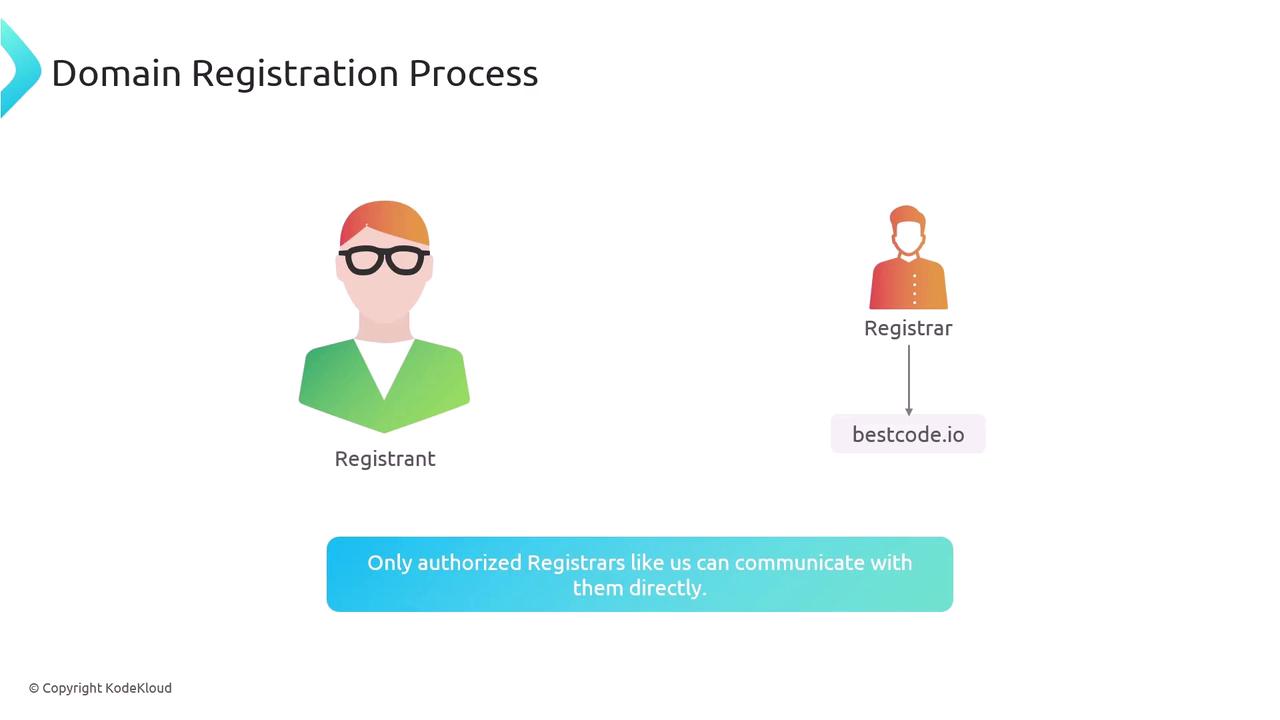
The EPP Protocol in Action
At this stage, the registrar communicates with the registry (Internet Computer Bureau) using the Extensible Provisioning Protocol (EPP). The dialogue unfolds as follows: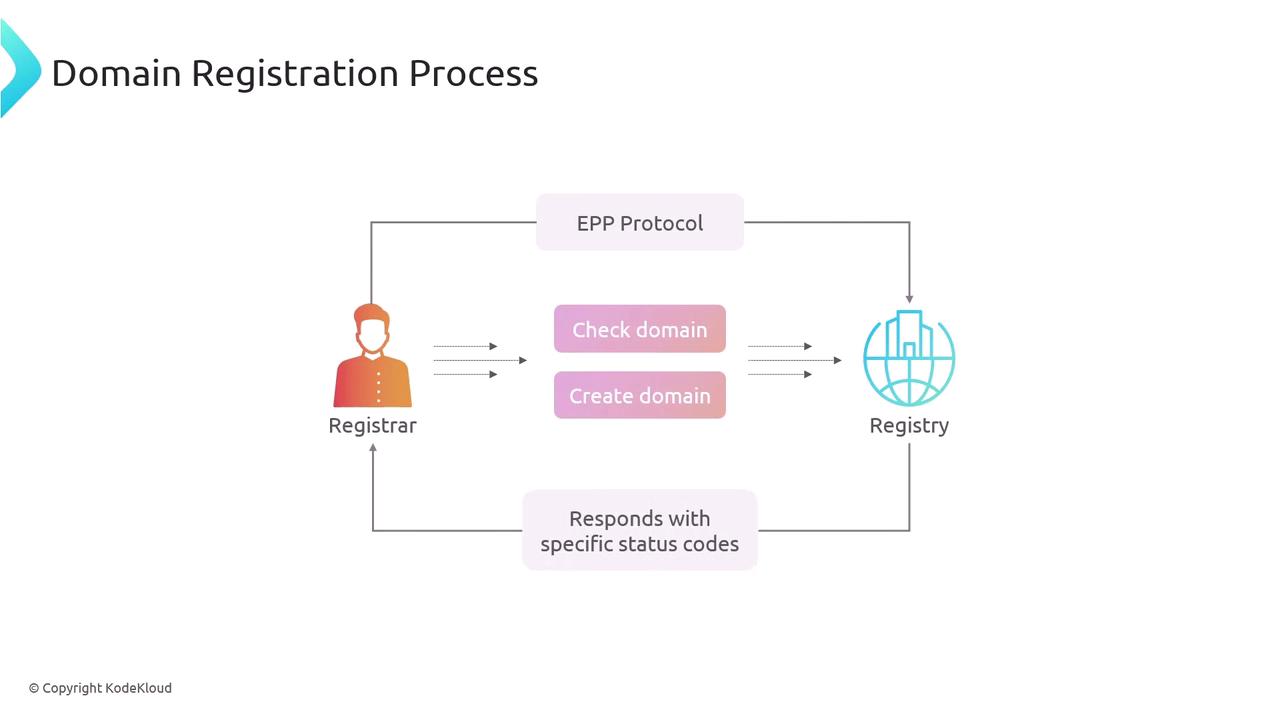
Configuring Name Servers
Next, the registrar collaborates with the registrant to configure the name servers. Think of name servers as building permits—they determine where your domain’s services are hosted. The registrant is given the option to use the registrar’s default name servers or provide custom names, such as those offered by their preferred hosting company. In this example, the registrant opts for popular hosting company name servers, such as “ns1.hostcompany.com” and “ns2.hostcompany.com.” After entering these details, the registrar notifies the registry accordingly.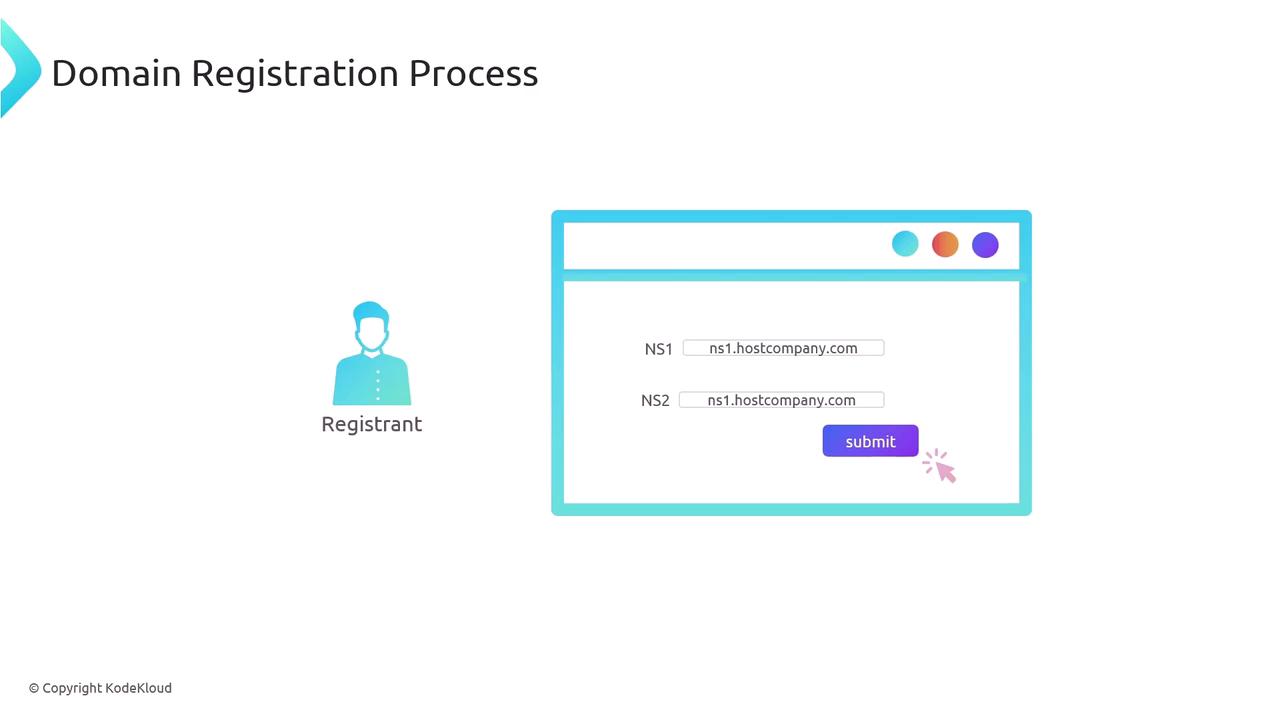
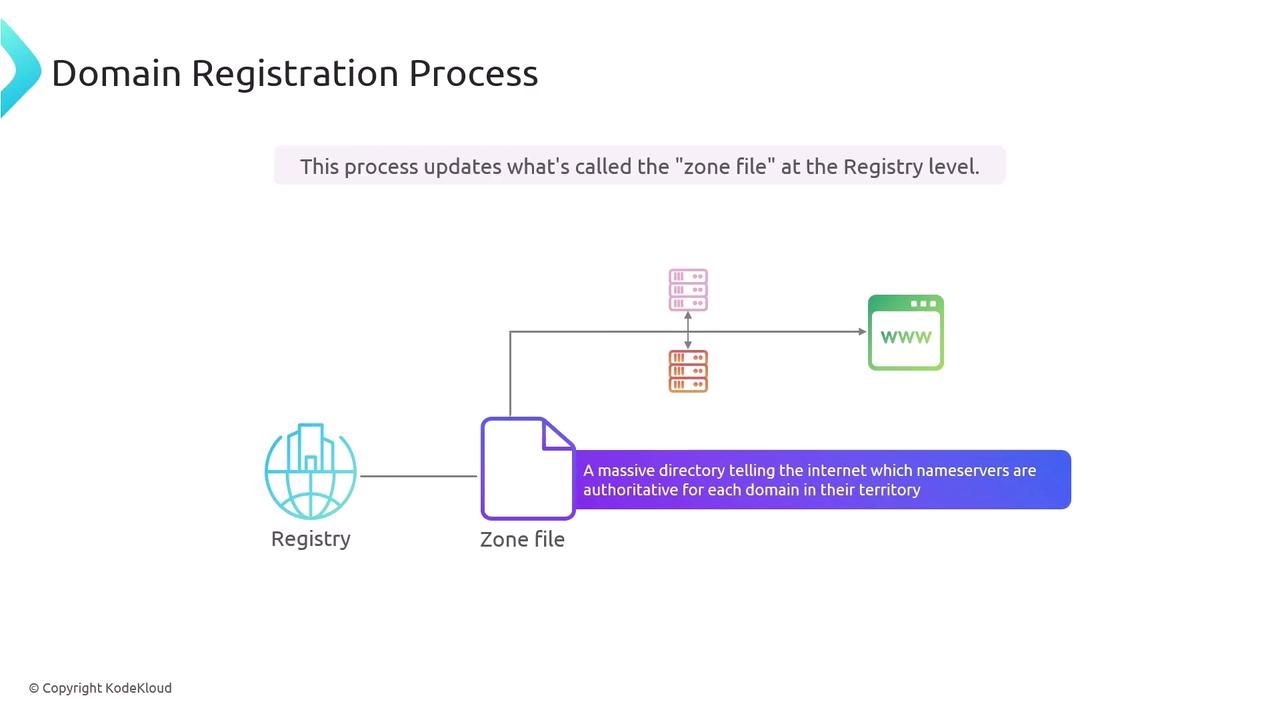
Finalizing the Registration
With the successful update of the zone file and the delegation of name servers, the registrant now owns a fully operational domain. Although the registrar handles the formal registration process and associated paperwork, the registrant retains complete freedom to decide where and how to use the domain. This separation between domain registration and hosting is fundamental—it means you can register your domain with one provider (e.g., GoDaddy) while hosting your website with another service (e.g., AWS or Cloudflare).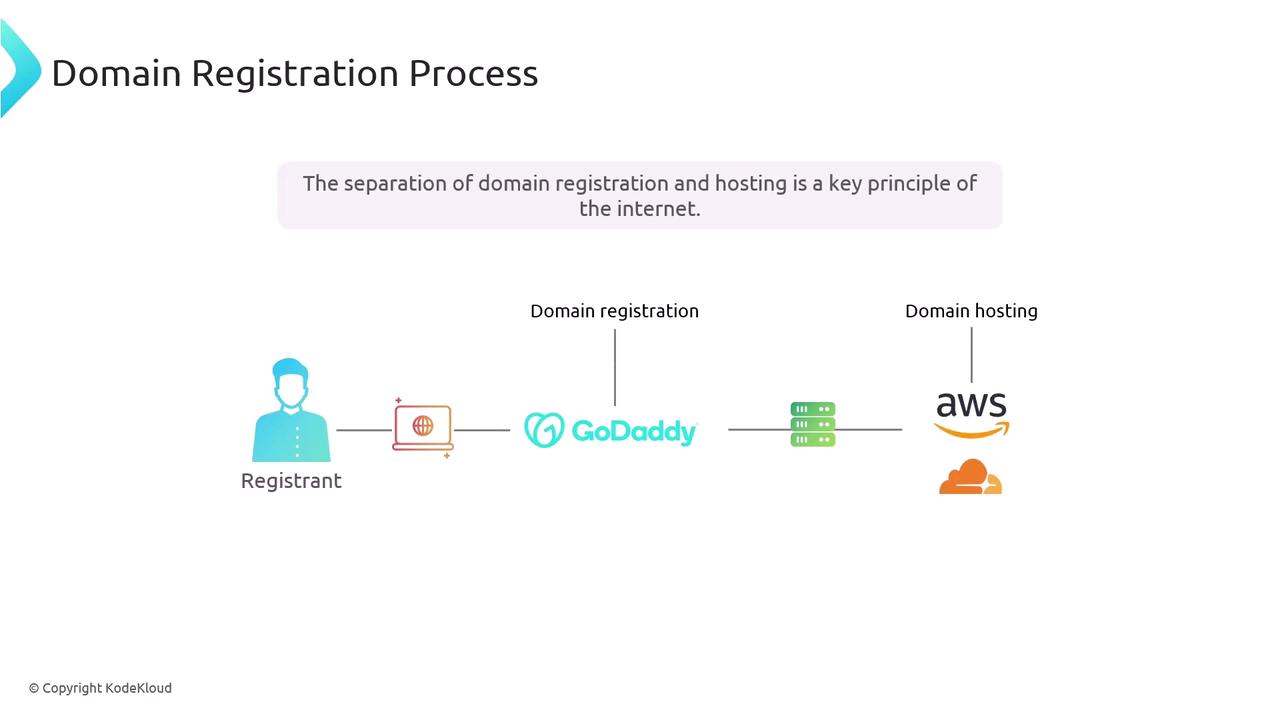
Remember: The separation between domain registration and hosting allows for flexibility in managing your online presence. You can register your domain with one provider and host your website with another, giving you the freedom to choose the best services for your needs.